欢迎访问《日用化学工业(中英文)》,今天是


日用化学工业(中英文) ›› 2026, Vol. 56 ›› Issue (8): 1062-1082.doi: 10.3969/j.issn.2097-2806.2026.08.011
柳康1,于九政2,牛国鹏3,吴春生2,刘笑春2,燕永利1,*( )
)
收稿日期:2025-12-12
修回日期:2026-07-30
出版日期:2026-08-22
发布日期:2026-09-02
基金资助:
Kang Liu1,Jiuzheng Yu2,Guopeng Niu3,Chunsheng Wu2,Xiaochun Liu2,Yongli Yan1,*()
Received:2025-12-12
Revised:2026-07-30
Online:2026-08-22
Published:2026-09-02
Contact:
*E-mail: 摘要:
鄂尔多斯盆地下古碳酸盐岩气藏分布广、资源潜力大,但该类气藏孔喉细小、非均质性强且多呈强水湿特征,长期开发过程中井筒与近井带易发生堵塞与积液,表现为产量递减与频繁停产关井,严重制约后期开发效益。因此,面向堵塞的机理识别与解堵工艺优化已成为保障致密碳酸盐岩气井稳产的关键环节。文章基于靖边、苏里格等区块的现场诊断,综合岩心岩屑分析、物性与润湿性测试,系统总结堵塞物组成特征及其耦合演化机理。已有研究普遍认为,堵塞多呈复合特征,主导因素为无机结垢,有机沉积居次要地位,水锁在致密强水湿孔喉系统中高发并常起到强化与稳定堵塞的作用。围绕复合堵塞治理,文章综述了分段缓速酸体系、酸碱复合体系、泡沫辅助返排等化学解堵技术,结合连续油管喷射等物理解堵手段,纳米润湿调控、CO2泡排等新型工艺在深层水锁与微孔聚结段表现出良好适应性。最后,对未来解堵技术研究的发展方向提出了展望,以期提升成熟气田后期治理的工程指导价值。
中图分类号:
柳康, 于九政, 牛国鹏, 吴春生, 刘笑春, 燕永利. 鄂尔多斯盆地下古碳酸盐岩气藏堵塞机理及解堵技术研究[J]. 日用化学工业(中英文), 2026, 56(8): 1062-1082.
Kang Liu, Jiuzheng Yu, Guopeng Niu, Chunsheng Wu, Xiaochun Liu, Yongli Yan. Blockage mechanisms and de-blockage technologies for the Lower Paleozoic carbonate gas reservoirs in the Ordos Basin[J]. China Surfactant Detergent & Cosmetics, 2026, 56(8): 1062-1082.
"
| Stratum | Micro-crystalline dolostone/% | Fine-crystalline dolostone/% | Calcareous mudstone/% | Dolomitic mudstone/% | Micro-crystalline limestone/% |
|---|---|---|---|---|---|
| Ma51+2 | 49.29 | 30.99 | 11.27 | 5.63 | 2.82 |
| Ma53+4 | 87.73 | 8.77 | 1.75 | 1.75 | 0 |
| Ma5 | 66.41 | 21.09 | 7.03 | 3.91 | 1.56 |
"
"
| Sub-member | Inter-crystalline pores | Dissolution pores | Inter-crystalline- dissolution pores | Micro-fractures | Gypsum-mouldic pores | Intragranular pores | Mean areal porosity |
|---|---|---|---|---|---|---|---|
| Ma-51+2 | 39.06 | 27.1 | 19.71 | 7.26 | 5.47 | 1.4 | 5.7 |
| Ma-53+4 | 72.55 | 11.61 | 11.92 | 3.03 | 0.89 | 0.0 | 5.2 |
| Ma-5 | 33.48 | 29.68 | 21.01 | 7.97 | 6.23 | 1.63 | 5.9 |
| Mean pore diameter | 7.2 | 46.8 | 9.1 | 10.6 | 65 | 3.0 |

"

"
| Equivalent pore-throat diameter/μm | Pore-volume proportions in core samples from well I, Yulin field/% | |||
|---|---|---|---|---|
| 1# | 2# | 3# | 4# | |
| 0-40 | 6.22 | 9.50 | 66.20 | 89.69 |
| 40-80 | 29.45 | 39.01 | 33.80 | 7.31 |
| 80-120 | 37.04 | 33.09 | 0 | 0 |
| 120-180 | 27.29 | 18.41 | 0 | 0 |
"
| Reservoir class | Porosity/% | Permeability/×10-3 μm2 | ||||
|---|---|---|---|---|---|---|
| Max | Min | Mean | Max | Min | Mean | |
| Conventional | 8.97 | 0.23 | 2.61 | 3.442 | 0.004 | 0.184 |
| Fracture-dominated | 9.98 | 0.65 | 3.41 | 1 343.41 | 0.130 | 47.989 |
| Dissolution | 12.47 | 6.4 | 8.03 | 36.142 | 1.062 | 11.001 |
"

"
"
| Blockage sample | Ingredient composition/% | |||||||||
|---|---|---|---|---|---|---|---|---|---|---|
| Quartz | Halite | Andesine | Calcite | Dolomite | Barite | Siderite | Magnetite | Pyrite | Clay minerals | |
| Sample 1 | 0 | 0 | 0 | 98.3 | 0 | 1.7 | 0 | 0 | 0 | 0 |
| Sample 2 | 4.9 | 87.0 | 0 | 0 | 0 | 0 | 0 | 8.1 | 0 | 0 |
"
"
| Parameter | Main component content/% | Fe3+/ % | Ca2+/ % | Mg2+/ % | SO42-/ % |
|---|---|---|---|---|---|
| Moisture | 0.37 | — | — | — | — |
| Oil | 0.84 | — | — | — | — |
| Organic matter (550 ℃) | 22.99 | — | — | — | — |
| Carbonate (950 ℃) | 3.44 | — | — | — | — |
| Acid-insoluble fraction | 15.22 | — | — | — | — |
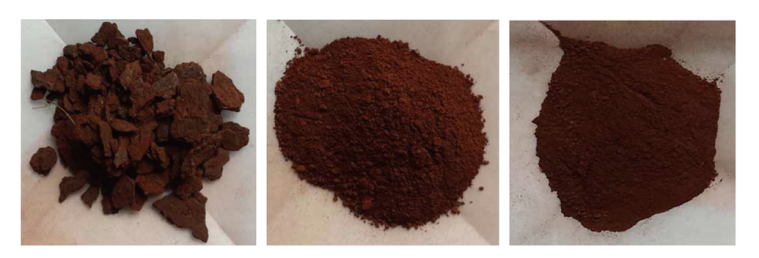
| Acid-soluble fraction | 57.14 | 15.84 | 1.57 | 0.07 | 2.06 |
"
"
"
"
| Gas field | Average salinity/ (mg/L) | Scale composition | Average content of acidic gas medium | Mechanisms of scale formation | |
|---|---|---|---|---|---|
| H2S | CO2 | ||||
| Jingbian | 40 000 | FeS and FeCO3 corrosion products; CaCO3 and related scale minerals; residual corrosion-inhibitor films | 1 000 mg/m3 | 5.0% | Accumulation of CO2/H2S corrosion precipitates on the tubing wall, accompanied by organic deposits |
| Yulin | 20 000 | Crystalline CaCO3 and MgCO3 salts with minor FeCO3 corrosion scale and trace hydrocarbon residues | — | 2.5% | Scaling ions in formation water-particularly Ca2+-become thermodynamically unstable under temperature and pressure fluctuation, precipitating as scale |
| Sulige | 80 000 | Scale dominated by BaSO4, SrSO4 with minor CaCO3 and CaSO4, intergrown with FeS and FeCO3 corrosion products | 1 500 mg/m3 | 6.0% | CO2/H2S corrosion precipitates inside the tubing; destabilization of scaling ions in formation water due to T-P variations; incompatibility among waters from different stratigraphic horizons leading to enhanced scaling propensity |
"
| Scaling cause | Scale-blockage mechanism | Gas fields affected by this scaling |
|---|---|---|
| Salt scaling triggered by elevated formation-water salinity | Thermodynamic instability and chemical incompatibility render inorganic salts in the reservoir fluid supersaturated; once their solubility is exceeded, Ca2+, Mg2+, and minor Ba2+/Sr2+ readily combine with CO32-/HCO3- and SO42- anions to precipitate near the wellbore. The higher the salinity, the more severe the scaling | Jingbian - Yulin |
| Scaling driven by acid-gas (CO2, H2S) corrosion | Corrosive gases dissolved in the produced fluid react with Fe2+ in formation water to form insoluble FeS and FeCO3; HCO3- can likewise react with Fe to produce FeCO3 corrosion scale | Jingbian - Sulige |
| Blockage caused by residual corrosion inhibitors | At elevated temperatures, the volatile fractions of corrosion inhibitors vaporize, leaving high-boiling residues that undergo amidation. These highly viscous, water-insoluble residues readily agglomerate, adhering to tubing walls or accumulating at the well bottom | Jingbian - Sulige |
| Blockage caused by degraded foaming agents | During prolonged foamer injection, high-temperature/pressure conditions promote reactions between the foamer and hydrophilic species (Ca2+, Mg2+) in formation water, generating water-insoluble calcium and magnesium soaps that precipitate and obstruct flow paths | Jingbian - Yulin - Sulige |
"
| Well | Producing interval | Location of obstruction | Pumping rate/ (m3/min) | Unblocking fluid volume/m3 | Operation duration/days | Incremental gas output/m3 |
|---|---|---|---|---|---|---|
| G31-022C4 | Ma-5 | Matrix | 1.2 | 40 | 1 | 1.5 |
| G63-9 | Ma-5 | Matrix + fractures | 1.5 | 45 | 1.5 | 1.6 |
| Sunan 25-971 | Ma-5 | Matrix + fractures | 1.4 | 40 | 2 | 1.9 |
| G37-021C4 | Ma-5 | Matrix + fractures | 1.6 | 38 | 1 | 1.8 |
"
"
"
| Sample | Reagent dosage/g | Weight before reaction/g | Weight after reaction/g | Material dissolved/g | Dissolution efficiency/% |
|---|---|---|---|---|---|
| XM-5+WPLJD-01 | 60 | 20 | 1.66 | 18.34 | 91.7 |
| XM-5 | 60 | 20 | 2.63 | 17.37 | 86.85 |
| WPLJD-01 | 60 | 20 | 5.68 | 14.32 | 71.6 |
"
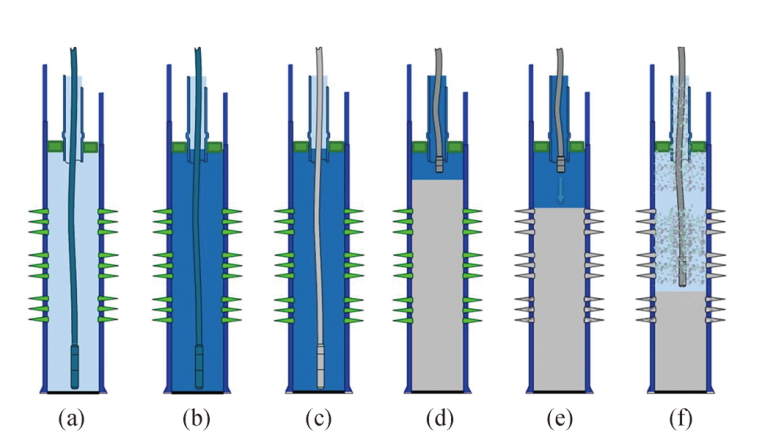
"
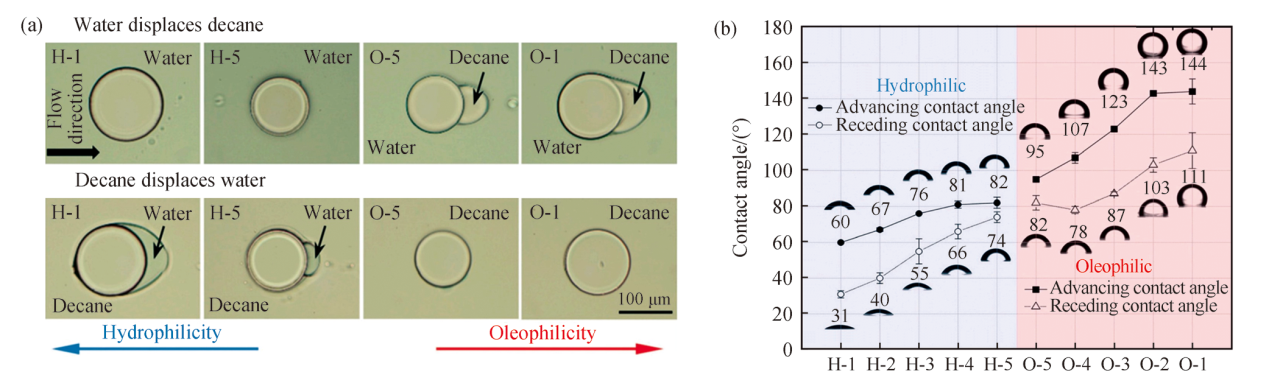
"
"
"
| [1] |
Xia L, Cao J, Wang M, et al. A review of carbonates as hydrocarbon source rocks: basic geochemistry and oil-gas generation[J]. Petroleum Science, 2019, 16(4): 713-728.
doi: 10.1007/s12182-019-0343-5 |
| [2] | Qiu W, Zhang D, Chen X, et al. The genesis and significance of pyrite in the Ordovician Majiagou Formation in the central and eastern Ordos Basin[J]. Petroleum Geoscience, 2025, 31(1): petgeo2024-049. |
| [3] |
Shi B, Wang Z, Zhang Z, et al. A state of the art review on the wellbore blockage of condensate gas wells: towards understanding the blockage type, mechanism, and treatment[J]. Lithosphere, 2022, 2022: 8076631.
doi: 10.2113/2022/8076631 |
| [4] |
Sun H, Ouyang W, Zhang H, et al. Advanced production decline analysis of tight gas wells with variable fracture conductivity[J]. Petroleum Exploration and Development, 2018, 45(3): 455-463.
doi: 10.11698/PED.2018.03.10 |
| [5] |
Løge I A, Anabaraonye B U, Fosbøl P L. Growth mechanisms of composite fouling: the impact of substrates on detachment processes[J]. Chemical Engineering Journal, 2022, 446: 137008.
doi: 10.1016/j.cej.2022.137008 |
| [6] |
Esteves B F, Druhan J L, Jew A D. Controls on barite (BaSO4) precipitation in unconventional reservoirs[J]. Environmental Science & Technology, 2023, 57(34): 12869-12878.
doi: 10.1021/acs.est.3c02923 |
| [7] |
Zidane A, Firoozabadi A. Higher-order compositional simulation of asphaltene damage and removal in the wellbore by the CPA-EOS[J]. Fuel, 2022, 307: 121776.
doi: 10.1016/j.fuel.2021.121776 |
| [8] | Yan H, Jia A, Guo J, et al. Geological characteristics and development techniques for carbonate gas reservoir with weathering crust formation in Ordos Basin, China[J]. Energies, 2022, 15(9): 3461. |
| [9] |
Lan H, Guo M, Fu M, et al. The effect of meteoric water on the very fine crystalline dolomite reservoir in the shallow burial zone: a case study of the Ma55 submember of the Majiagou Formation in Ordos Basin[J]. Frontiers in Energy Research, 2023, 10: 1089171.
doi: 10.3389/fenrg.2022.1089171 |
| [10] |
Xu X, Feng Q, Wei Q, et al. Sedimentary characteristics and reservoir origin of the mound and shoal microfacies of the Ma51+2 submember of the Majiagou Formation in the Jingbian area[J]. Journal of Petroleum Science and Engineering, 2021, 196: 108041.
doi: 10.1016/j.petrol.2020.108041 |
| [11] |
Xiong Y, Tan X, Dong G, et al. Diagenetic differentiation in the Ordovician Majiagou Formation, Ordos Basin, China: Facies, geochemical and reservoir heterogeneity constraints[J]. Journal of Petroleum Science and Engineering, 2020, 191: 107179.
doi: 10.1016/j.petrol.2020.107179 |
| [12] |
Song F, Kong Q, Su N, et al. Formation mechanism of the upper Paleozoic tight sandstone gas reservoir in the Daniudi gas field, Ordos Basin, China[J]. Frontiers in Earth Science, 2024, 12: 1355494.
doi: 10.3389/feart.2024.1355494 |
| [13] |
Nie R, Zhou J, Chen Z, et al. Pore structure characterization of tight sandstones via a novel integrated method: a case study of the Sulige gas field, Ordos Basin (Northern China)[J]. Journal of Asian Earth Sciences, 2021, 213: 104739.
doi: 10.1016/j.jseaes.2021.104739 |
| [14] |
Zhou X, Al-Otaibi F, Kokal S. Relative permeability characteristics and wetting behavior of supercritical CO2 displacing water and remaining oil for carbonate rocks at reservoir conditions[J]. Energy & Fuels, 2019, 33(6): 5464-5475.
doi: 10.1021/acs.energyfuels.9b01053 |
| [15] |
Xiao D, Wang Y, Hou G, et al. Marine carbonate reservoirs formed in evaporite sequences in sedimentary basins: a review and new model of epeiric basin-scale moldic reservoirs[J]. Earth-Science Reviews, 2021, 223: 103860.
doi: 10.1016/j.earscirev.2021.103860 |
| [16] |
Li J, Li J, Li Z, et al. Characteristics and genetic types of the Lower Paleozoic natural gas, Ordos Basin[J]. Marine and Petroleum Geology, 2018, 89: 106-119.
doi: 10.1016/j.marpetgeo.2017.06.046 |
| [17] | Gu N, Zhang J, Jin X, et al. Reservoir characteristics and distribution of the Majiagou Formation in the Fuxian area of Ordos Basin, China[J]. Energy Geoscience, 2025, 6(1): 100358. |
| [18] |
Jiu B, Huang W, Mu N, et al. Types and controlling factors of Ordovician paleokarst carbonate reservoirs in the southeastern Ordos Basin, China[J]. Journal of Petroleum Science and Engineering, 2021, 198: 108162.
doi: 10.1016/j.petrol.2020.108162 |
| [19] |
Tian K, Qiao X, Zhou J, et al. Pore structure characteristics and influencing factors of dolomite reservoirs: a case study of the Lower Ordovician Majiagou Formation, Ordos Basin, China[J]. Frontiers in Earth Science, 2024, 12: 1407967.
doi: 10.3389/feart.2024.1407967 |
| [20] | Hanamertani A S, Mohamed A, Saraji S, et al. In situ investigation of foam-induced flow diversion in oil-wet fractured carbonates using methane and supercritical carbon dioxide[J]. Industrial & Engineering Chemistry Research, 2024, 63(16): 7368-7386. |
| [21] |
Tan Q, You L, Kang Y, et al. Formation damage mechanisms in tight carbonate reservoirs: the typical illustrations in Qaidam Basin and Sichuan Basin, China[J]. Journal of Natural Gas Science and Engineering, 2021, 95: 104193.
doi: 10.1016/j.jngse.2021.104193 |
| [22] |
Wang C, Su Y, Wang W, et al. Water blocking damage evaluation and mitigation method in tight gas reservoirs[J]. Energy & Fuels, 2022, 36(18): 10934-10944.
doi: 10.1021/acs.energyfuels.2c02261 |
| [23] |
Kamal M S, Hussein I A, Mahmoud M, et al. Oilfield scale formation and chemical removal: a review[J]. Journal of Petroleum Science and Engineering, 2018, 171: 127-139.
doi: 10.1016/j.petrol.2018.07.037 |
| [24] |
Al Helal A, Soames A, Iglauer S, et al. Evaluating chemical-scale-inhibitor performance in external magnetic fields using a dynamic scale loop[J]. Journal of Petroleum Science and Engineering, 2019, 179: 1063-1077.
doi: 10.1016/j.petrol.2019.04.093 |
| [25] |
Ahmed M E M, Saad M A, Hussein I A, et al. Pyrite scale removal using green formulations for oil and gas applications: reaction kinetics[J]. Energy & Fuels, 2019, 33(5): 4499-4505.
doi: 10.1021/acs.energyfuels.9b00444 |
| [26] |
De Motte R A, Barker R, Burkle D, et al. The early stages of FeCO3scale formation kinetics in CO2 corrosion[J]. Materials Chemistry and Physics, 2018, 216: 102-111.
doi: 10.1016/j.matchemphys.2018.04.077 |
| [27] |
Fujita K, Liang Y, Mizuhara J, et al. Evaluation of asphaltene adsorption free energy at the oil-water interface: effect of oil solvents[J]. Energy & Fuels, 2022, 36(3): 1338-1349.
doi: 10.1021/acs.energyfuels.1c03545 |
| [28] |
Nowrouzi I, Mohammadi A H, Manshad A K. Modifying the wettability of carbonate gas condensate reservoirs rocks toward gasophilic for condensate blockage removal and enhanced hydrocarbon recovery using a synthesized anionic fluorinated surfactant[J]. Energy & Fuels, 2023, 37(16): 11707-11719.
doi: 10.1021/acs.energyfuels.3c01418 |
| [29] |
Dorhjie D B, Pereponoy D, Aminev T, et al. A microfluidic and numerical analysis of non-equilibrium phase behavior of gas condensates[J]. Scientific Reports, 2024, 14: 9500.
doi: 10.1038/s41598-024-59972-x pmid: 38664442 |
| [30] |
Zhang J, Kang Z, Li J, et al. Quantitative analysis of wettability and its transition mechanism in carbonate rocks based on surface energy characterization[J]. Langmuir, 2025, 41(17): 11056-11067.
doi: 10.1021/acs.langmuir.5c00703 |
| [31] |
Liu D, Li C, Li L, et al. Effect of the interactions between asphaltenes and amphiphilic dodecylbenzenesulfonic acid on the stability and interfacial properties of model oil emulsions[J]. Energy & Fuels, 2020, 34(6): 6951-6961.
doi: 10.1021/acs.energyfuels.0c00833 |
| [32] | Ratanpara A, Kim M. Wettability alteration mechanisms in enhanced oil recovery with surfactants and nanofluids: a review with microfluidic applications[J]. Energies, 2023, 16(24): 8003. |
| [33] | 李强. 合川致密砂岩气藏储层伤害评价及治理技术研究[D]. 大庆: 东北石油大学, 2024. |
| [34] |
Wang J, Zhou F. Cause analysis and solutions of water-blocking damage in cracked/non-cracked tight sandstone gas reservoirs[J]. Petroleum Science, 2021, 18(1): 219-233.
doi: 10.1007/s12182-020-00482-6 |
| [35] |
Yang Y, Luo X, Hong C, et al. Characterization, formation and development of scales on L80 steel tube resulting from seawater injection treatment[J]. Journal of Petroleum Science and Engineering, 2020, 193: 107433.
doi: 10.1016/j.petrol.2020.107433 |
| [36] | Li Q, Fan Z, Liu Q, et al. Synthesis of a superhydrophobic fluorinated nano-emulsion and its modification on the wettability of tight sandstone[J]. Materials, 2022, 15(11): 4015. |
| [37] |
Edgin M G, Medina B, Kaszuba J P, et al. Predicting the potential for mineral scale precipitation in unconventional reservoirs due to fluid-rock and fluid mixing geochemical reactions[J]. Fuel, 2021, 284: 118883.
doi: 10.1016/j.fuel.2020.118883 |
| [38] |
Megens F, Alghamdi A O, Stetten A Z, et al. Microscopic characterization of mineral dissolution and precipitation at variable salinity for improved oil recovery in carbonate reservoirs[J]. Energy & Fuels, 2024, 38(8): 6723-6737.
doi: 10.1021/acs.energyfuels.3c04467 |
| [39] | Qazvini S, Golkari A, Azdarpour A, et al. Experimental and modelling approach to investigate the mechanisms of formation damage due to calcium carbonate precipitation in carbonate reservoirs[J]. Journal of Petroleum Science and Engineering, 2021, 205: 109785. |
| [40] |
Haratian S, Gupta K K, Larsson A, et al. Ex-situ synchrotron X-ray diffraction study of CO2 corrosion-induced surface scales developed in low-alloy steel with different initial microstructure[J]. Corrosion Science, 2023, 222: 111387.
doi: 10.1016/j.corsci.2023.111387 |
| [41] |
Liu X, Sheng X, Zhou Y, et al. Synthesis of a new type of 2-phosphonobutane-1, 2, 4-tricarboxylic-acid-modified terpolymer scale inhibitor and its application in the oil field[J]. Energy & Fuels, 2021, 35(7): 6136-6143.
doi: 10.1021/acs.energyfuels.1c00167 |
| [42] |
Sliem M H, Fayyad E M, Abdullah A M, et al. Monitoring of under deposit corrosion for the oil and gas industry: a review[J]. Journal of Petroleum Science and Engineering, 2021, 204: 108752.
doi: 10.1016/j.petrol.2021.108752 |
| [43] |
Dong K, Zhu D, Hill A D. Mechanism of wormholing and its optimal conditions: a fundamental explanation[J]. Journal of Petroleum Science and Engineering, 2018, 169: 126-134.
doi: 10.1016/j.petrol.2018.05.060 |
| [44] |
Lucas D S, Neyra J R, Araújo E A, et al. Carbonate acidizing: a review on influencing parameters of wormholes formation[J]. Journal of Petroleum Science and Engineering, 2023, 220: 111168.
doi: 10.1016/j.petrol.2022.111168 |
| [45] |
Kadafur I B, Aljawad M S, Mahmoud M. Review of acid diffusion measurement methods in porous media[J]. Energy & Fuels, 2020, 34(10): 11916-11941.
doi: 10.1021/acs.energyfuels.0c02457 |
| [46] |
Ali M, Ziauddin M. Carbonate acidizing: a mechanistic model for wormhole growth in linear and radial flow[J]. Journal of Petroleum Science and Engineering, 2020, 186: 106776.
doi: 10.1016/j.petrol.2019.106776 |
| [47] |
Kousar K, Walczak M S, Ljungdahl T, et al. Corrosion inhibition of carbon steel in hydrochloric acid: elucidating the performance of an imidazoline-based surfactant[J]. Corrosion Science, 2021, 180: 109195.
doi: 10.1016/j.corsci.2020.109195 |
| [48] |
Keihani Kamal M, Mahdavi Kalatehno J, Daneshfar P, et al. A comprehensive analysis of carbonate matrix acidizing using viscoelastic diverting acid system in a gas field[J]. Scientific Reports, 2024, 14: 1499.
doi: 10.1038/s41598-024-52104-5 |
| [49] |
Zheng H, Zheng Y, Zhu J. Recent developments in hydrodynamic cavitation reactors: cavitation mechanism, reactor design, and applications[J]. Engineering, 2022, 19: 180-198.
doi: 10.1016/j.eng.2022.04.027 |
| [50] |
Hassan A, Mahmoud M, Al-Majed A, et al. Gas condensate treatment: a critical review of materials, methods, field applications, and new solutions[J]. Journal of Petroleum Science and Engineering, 2019, 177: 602-613.
doi: 10.1016/j.petrol.2019.02.089 |
| [51] |
Pandya S, Ahmed R M, Shah S. Experimental study on wellbore cleanout in horizontal wells[J]. Journal of Petroleum Science and Engineering, 2019, 177: 466-478.
doi: 10.1016/j.petrol.2019.02.069 |
| [52] |
Jiang T, Huang Z, Li J, et al. Experimental investigation of internal and external flow fields of jetting nozzles with different structures[J]. Journal of Petroleum Science and Engineering, 2022, 217: 110891.
doi: 10.1016/j.petrol.2022.110891 |
| [53] |
Zhang K, Li S, Liu L. Optimized foam-assisted CO2 enhanced oil recovery technology in tight oil reservoirs[J]. Fuel, 2020, 267: 117099.
doi: 10.1016/j.fuel.2020.117099 |
| [54] |
Wang Y, Liang L, Li Y, et al. Preparation and application of a fluoropolymer emulsion as novel wettability reversal agent[J]. Colloids and Surfaces A: Physicochemical and Engineering Aspects, 2021, 612: 125985.
doi: 10.1016/j.colsurfa.2020.125985 |
| [55] |
Jew A D, Druhan J L, Ihme M, et al. Chemical and reactive transport processes associated with hydraulic fracturing of unconventional oil/gas shales[J]. Chemical Reviews, 2022, 122(9): 9198-9263.
doi: 10.1021/acs.chemrev.1c00504 pmid: 35404590 |
| [56] |
Jones S A, Kahrobaei S, Van Wageningen N, et al. CO2 foam behavior in carbonate rock: effect of surfactant type and concentration[J]. Industrial & Engineering Chemistry Research, 2022, 61(32): 11977-11987.
doi: 10.1021/acs.iecr.2c01186 |
| [57] | Kartini R, Kim Y, Lee W. Evaluation of surfactant mixture for supercritical carbon dioxide foamed acid in carbonate matrix acidizing[J]. Energies, 2021, 14(20): 6567. |
| [58] |
Mahmoud M, Aljawad M S, Kamal M S, et al. Two-stage stimulation of gas carbonate reservoirs with high anhydrite content: experimental and modeling study[J]. Energy & Fuels, 2020, 34(8): 9978-9989.
doi: 10.1021/acs.energyfuels.0c01778 |
| [59] |
Bello A, Dorhjie D B, Ivanova A, et al. A numerical feasibility study of CO2 foam for carbon utilization and storage in a depleted, high salinity, carbonate oil reservoir[J]. Scientific Reports, 2024, 14: 20585.
doi: 10.1038/s41598-024-70122-1 |
| [1] | 郭程飞, 章海宁, 雷梦. 压力对CO2泡沫性能及岩心流动影响[J]. 日用化学工业(中英文), 2026, 56(5): 564-570. |
| [2] | 刘丽,刘永春. 特低渗油藏CO2泡沫封窜体系实验及封窜性能研究[J]. 日用化学工业(中英文), 2026, 56(3): 314-322. |
| [3] | 周文超, 孙君, 付云川, 孙艳萍. 封汽窜用栲胶冻胶的制备及其流变性能研究[J]. 日用化学工业(中英文), 2025, 55(12): 1544-1551. |
| [4] | 赵健, 郭布民, 申金伟, 王黎, 许田鹏, 鲍文辉. 耐高温海水基植物胶压裂液交联动力学及其交联机理研究[J]. 日用化学工业(中英文), 2025, 55(12): 1560-1566. |
| [5] | 牛艳, 李鑫. 特低渗透油藏CO2驱油效果及复合封窜体系的性能研究[J]. 日用化学工业(中英文), 2025, 55(7): 871-878. |
| [6] | 康小斌, 屈亚宁, 马宝鹏. 无机凝胶强化自生泡沫调剖体系性能研究[J]. 日用化学工业(中英文), 2025, 55(4): 481-486. |
| [7] | 范佳宝, 韩薇薇, 刘延强, 刘强, 吕红苗, 董三宝. 天然气井排水采气用泡排剂研究进展[J]. 日用化学工业(中英文), 2025, 55(4): 495-507. |
| [8] | 何黎, 李华斌, 何刚, 罗磊. 原油乳状液粒径及稳定性影响因素研究[J]. 日用化学工业(中英文), 2025, 55(3): 341-348. |
| [9] | 孙立梅, 何海峰, 安申法, 栾智勇, 孙鹏, 王阳, 严峰. 交联聚醚破乳剂对胜利油田二元驱采出液破乳性能研究[J]. 日用化学工业(中英文), 2024, 54(7): 795-802. |
| [10] | 孙建萧, 荆江录, 王渊, 樊庆虎, 肖文梁, 石东坡. 基于β-环糊精的高矿化度水中曲拉通X-405的检测新方法[J]. 日用化学工业(中英文), 2024, 54(4): 369-375. |
| [11] | 刘子龙, 黑艳晓, 石迪, 肖宇飞, 李雪. 驱油用表面活性剂及其吸附特性的研究进展[J]. 日用化学工业(中英文), 2024, 54(4): 457-466. |
| [12] | 蒲草, 朱诗杰, 刘丽娟, 汪士凯, 徐建根, 刘哲知. 多重交联水凝胶体系的抗剪切性能评价研究[J]. 日用化学工业(中英文), 2023, 53(10): 1173-1179. |
| [13] | 杨斌. 疏水缔合聚合物HAWP与芥酸酰胺丙基烯丙基溴化铵复合体系流变和界面性能研究[J]. 日用化学工业(中英文), 2023, 53(4): 365-372. |
| [14] | 廖建军, 李华斌, 邓金玭, 何刚, 刘思思, 张肖. 高温非均质油藏聚合物凝胶调驱实验研究[J]. 日用化学工业(中英文), 2023, 53(4): 373-381. |
| [15] | 斤朕, 张春生. 耐温缓交联有机锆冻胶压裂液的制备与性能评价[J]. 日用化学工业(中英文), 2023, 53(3): 279-284. |
|
