Welcome to China Surfactant Detergent & Cosmetics, Today is


China Surfactant Detergent & Cosmetics ›› 2026, Vol. 56 ›› Issue (10): 1344-1353.doi: 10.3969/j.issn.2097-2806.2026.10.007
• Basic research • Previous Articles Next Articles
Xin Li1,3,Zhi Duan2,Zhiyin Zhang3,Hongchang Cui2,4,*( )
Received:2025-12-22
Revised:2026-09-11
Online:2026-10-22
Published:2026-10-30
Contact:
E-mail: CLC Number:
Xin Li, Zhi Duan, Zhiyin Zhang, Hongchang Cui. Evaluation of skin barrier repair by a probiotic ferment lysate in a zebrafish model and mechanistic exploration via the Notch signaling pathway[J].China Surfactant Detergent & Cosmetics, 2026, 56(10): 1344-1353.
Tab.1
Primer sequences of target and housekeeping genes"
| 基因 引物 序列(5' - 3') | |
|---|---|
| her4 | 上游 CTCTCAGAAAAGCAGTGCGG |
| 下游 TTTGCGTGTGTTTCAGTGGT | |
| her12 | 上游 AGCTGAGGAAGCCGATAGTTGAA |
| 下游 GGATCTGCTGCTGTTGCTTGAT | |
| hey1 | 上游 GTTTGCATTTTCACGCCCCT |
| 下游 CGCCCTCTAGTGCTCACATT | |
| GAPDH | 上游 GTGGAGTCTACTGGTGTCTTC |
| 下游 GTGCAGGAGGCATTGCTTACA | |
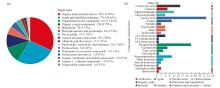
Fig.1
Metabolite annotation profiles from the untargeted metabolomic analysis of VHProbi MixR:(a) HMDB annotation;(b) KEGG compound classification"
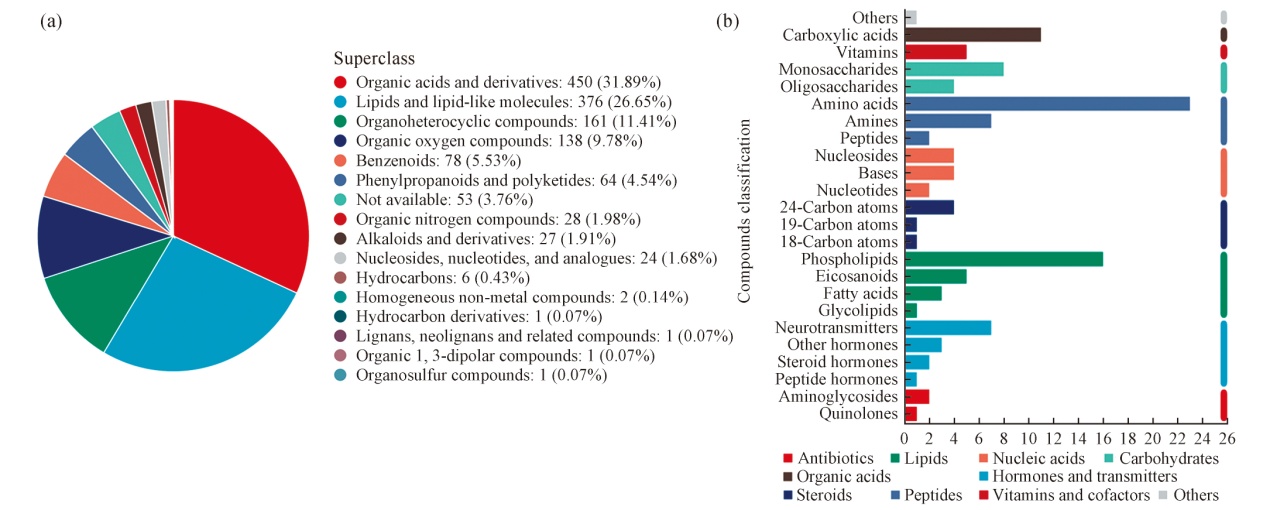

Fig.2
Protein-protein interaction (PPI) network"
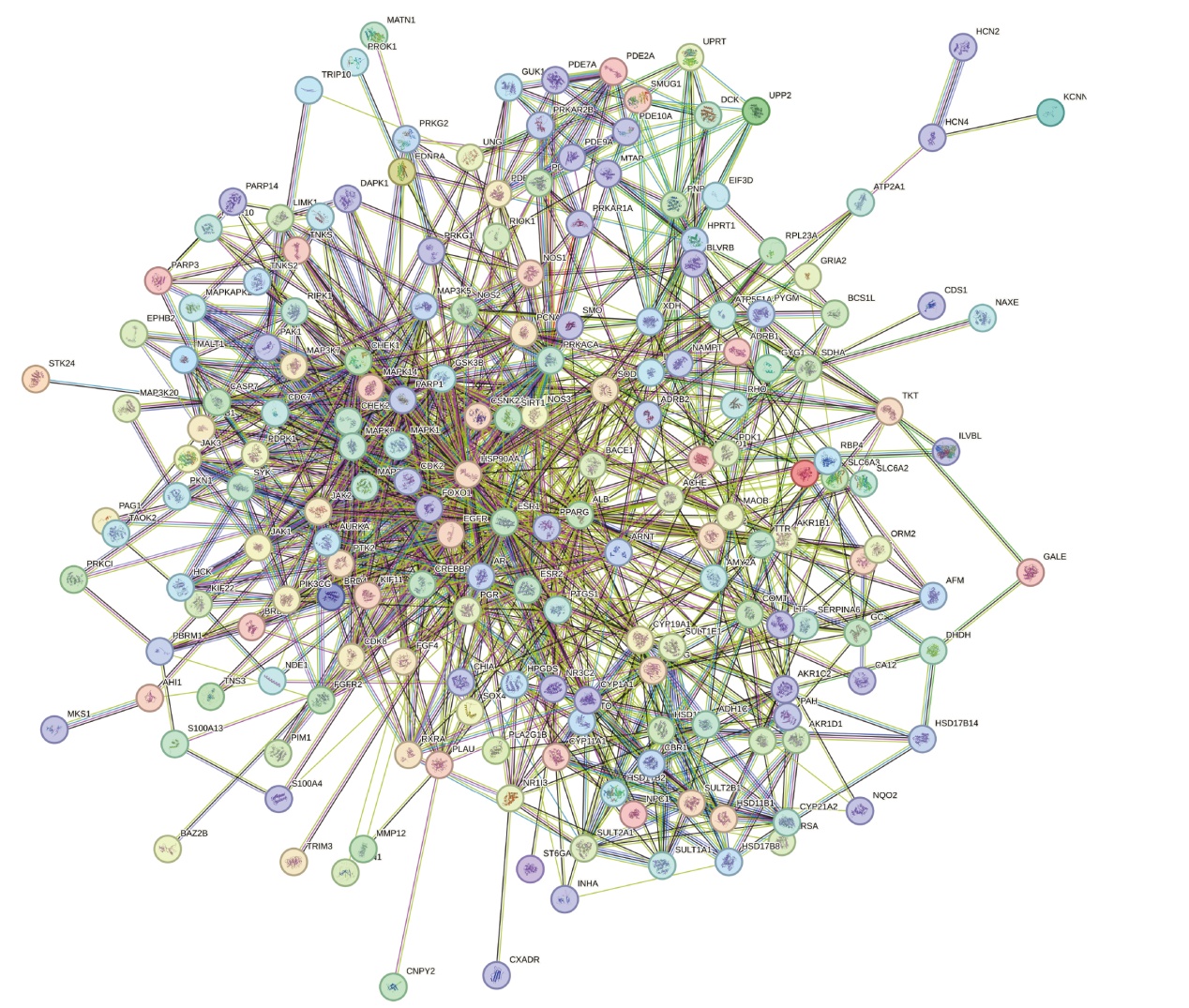
Fig.3
Compound-target-pathway-function network"
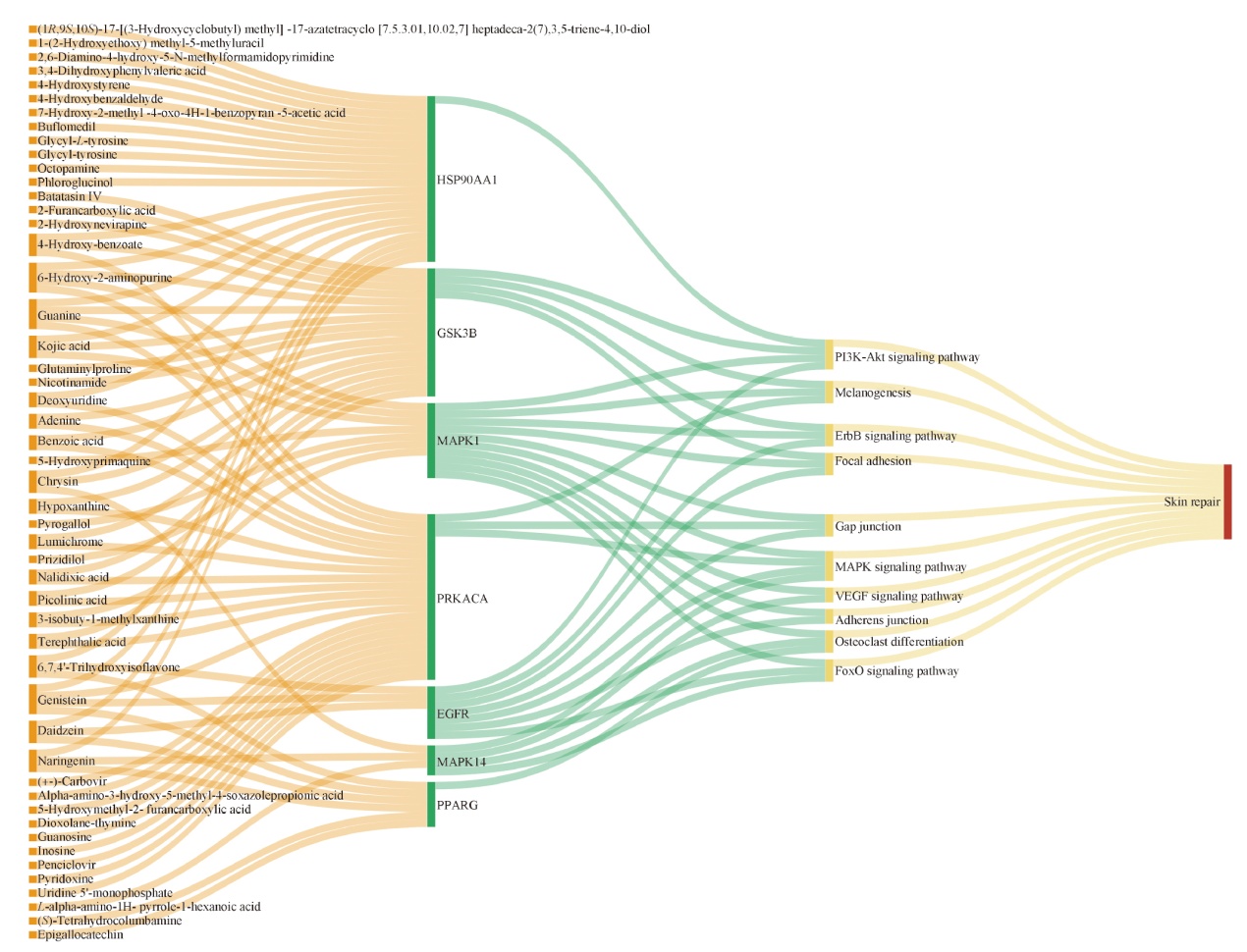
Fig.4
Representative fluorescence images of zebrafish embryos (red fluorescence indicates barrier injury staining)"
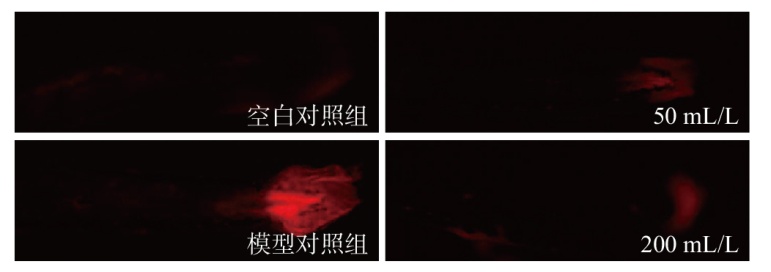
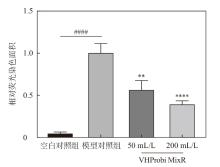
Fig.5
Relative fluorescence area at different sample concentrations"
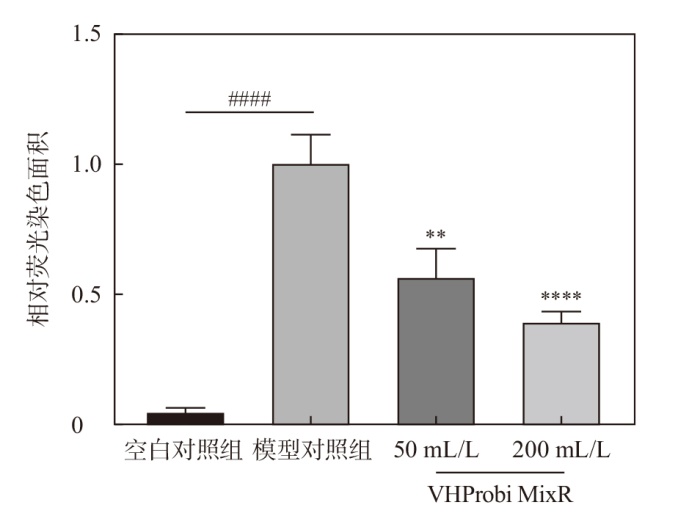
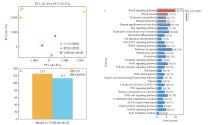
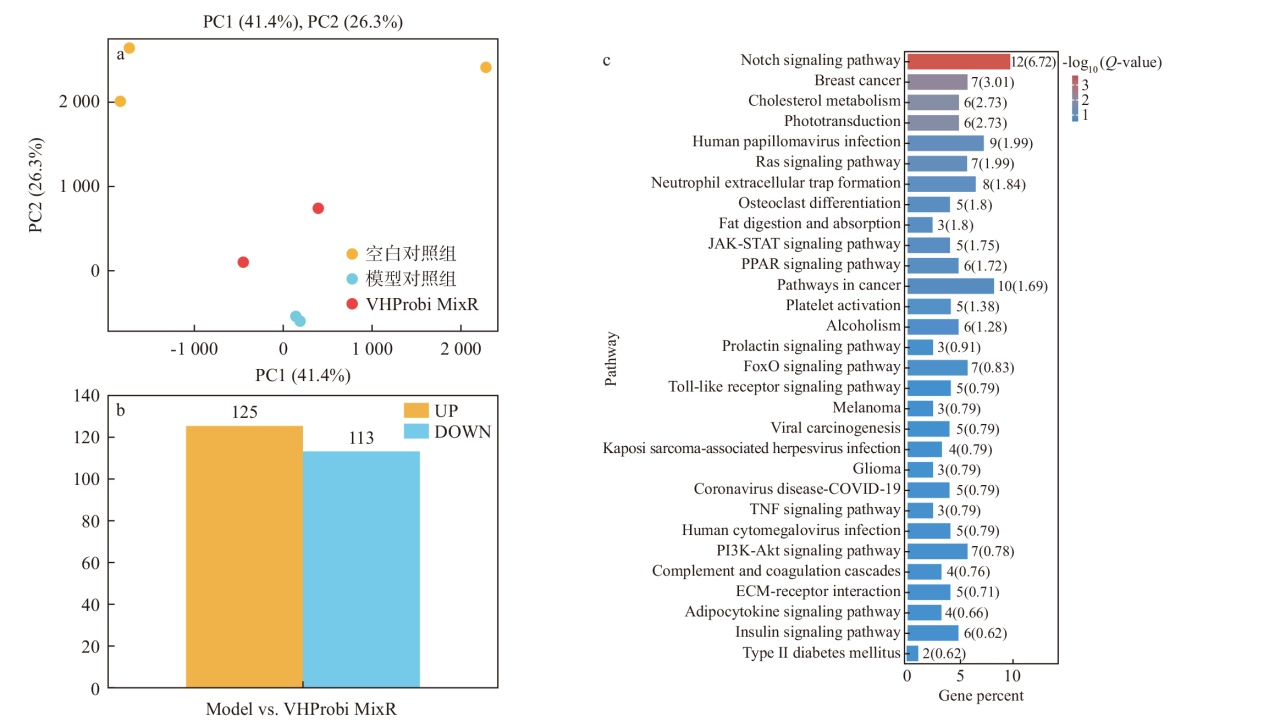
Fig.6
Transcriptomic profiling of zebrafish embryos"
Tab.2
Relative expression levels of differentially expressed genes (DEGs) in zebrafish"
| 基因名 (人类同源基因名) | 相对表达水平 (vs. 模型对照组) | 趋势 |
|---|---|---|
| her4.2 (HES5) | 2.83 | 上调 |
| her4.1 (HES5) | 2.37 | |
| her4.3 (HES5) | 2.76 | |
| her4.4 (HES5) | 2.63 | |
| her4.5 (HES5) | 1.97 | |
| hes4-b (HES1) | 2.08 | |
| her12 (HES5) | 2.43 | |
| her15.1 (HES5) | 2.48 | |
| her15.2 (HES5) | 2.02 | |
| her2 (HES5) | 2.81 | |
| her6 (HES1) | 1.83 | |
| hey1 (HEY) | 1.52 |
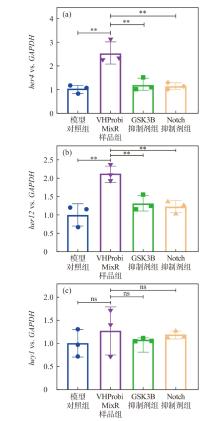
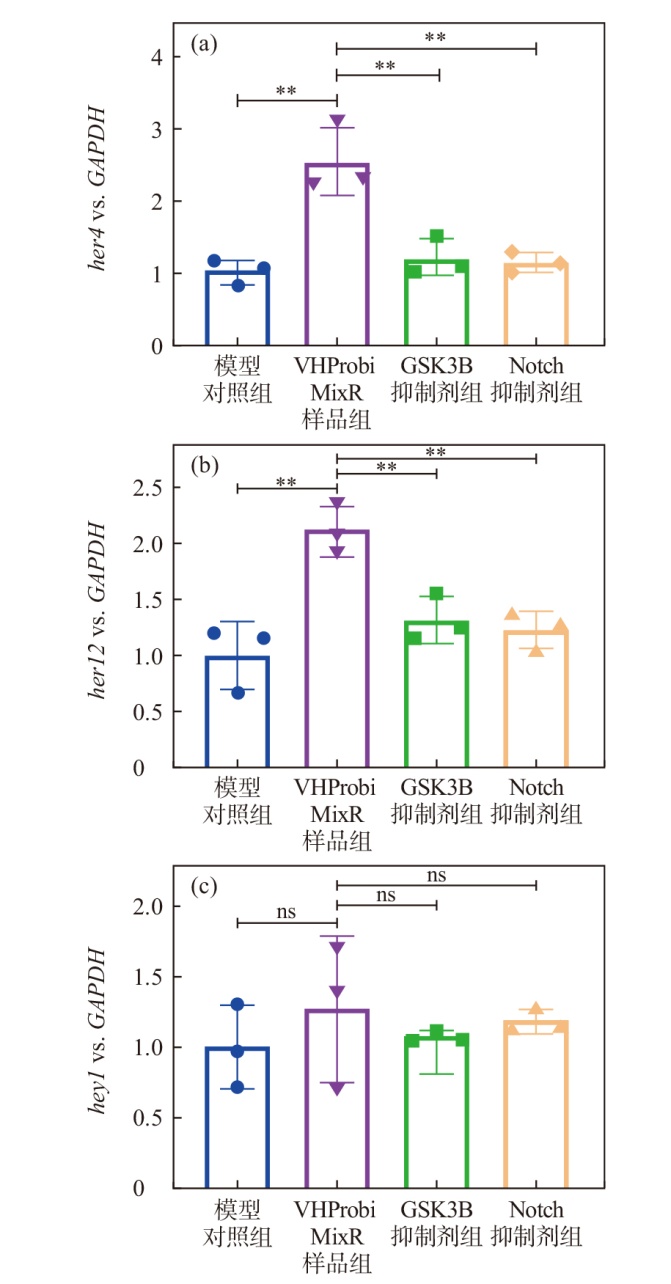
Fig.7
Relative gene expression levels of target genes in zebrafish embryos"
| [1] | Baker P, Huang C, Radi R, et al. Skin barrier function: the interplay of physical, chemical, and immunologic properties[J]. Cells, 2023, 12 (23) : 2745. |
| [2] |
Panahi Y, Fazlolahzadeh O, Atkin S L, et al. Evidence of curcumin and curcumin analogue effects in skin diseases: A narrative review[J]. Journal of Cellular Physiology, 2019, 234 (2) : 1165-1178.
doi: 10.1002/jcp.27096 pmid: 30073647 |
| [3] | Kim B E, Leung D Y M. Significance of skin barrier dysfunction in atopic dermatitis[J]. Allergy, Asthma & Immunology Research, 2018, 10 (3) : 207-215. |
| [4] |
Elias P M. Epidermal lipids, barrier function, and desquamation[J]. Journal of Investigative Dermatology, 1983, 80 (1) : S44-S49.
doi: 10.1038/jid.1983.12 |
| [5] | Bylka W, Znajdek-Awiżeń P, Studzińska-Sroka E, et al. Centella asiatica in cosmetology[J]. Advances in Dermatology and Allergology, 2013, 30 (1) : 46-49. |
| [6] |
Sagrafena I, Morin M, Paraskevopoulos G, et al. Structure and function of skin barrier lipids: Effects of hydration and natural moisturizers in vitro[J]. Biophysical Journal, 2024, 123 (22) : 3951-3963.
doi: 10.1016/j.bpj.2024.10.006 pmid: 39390747 |
| [7] |
Lodén M. Role of topical emollients and moisturizers in the treatment of dry skin barrier disorders[J]. American Journal of Clinical Dermatology, 2003, 4 (11) : 771-788.
doi: 10.2165/00128071-200304110-00005 pmid: 14572299 |
| [8] | Lin T K, Zhong L, Santiago J L. Anti-inflammatory and skin barrier repair effects of topical application of some plant oils[J]. International Journal of Molecular Sciences, 2018, 19 (1) : 70. |
| [9] | Zheng X Q, Zhang X H, Gao H Q, et al. Green tea catechins and skin health[J]. Antioxidants, 2024, 13 (12) : 1506. |
| [10] |
Wang X, Sun G, Feng T, et al. Sodium oligomannate therapeutically remodels gut microbiota and suppresses gut bacterial amino acids-shaped neuroinflammation to inhibit Alzheimer’s disease progression[J]. Cell Research, 2019, 29 (10) : 787-803.
doi: 10.1038/s41422-019-0216-x |
| [11] |
Xie M, Chen W, Lai X, et al. Metabolic responses and their correlations with phytochelatins in Amaranthus hypochondriacus under cadmium stress[J]. Environmental Pollution, 2019, 252: 1791-1800.
doi: 10.1016/j.envpol.2019.06.103 |
| [12] | Ren Y, Yu G, Shi C, et al. Majorbio Cloud: A one-stop, comprehensive bioinformatic platform for multiomics analyses[J]. IMeta, 2022, 1 (2) : e12. |
| [13] |
Hopkins A L. Network pharmacology: the next paradigm in drug discovery[J]. Nature Chemical Biology, 2008, 4 (11) : 682-690.
doi: 10.1038/nchembio.118 pmid: 18936753 |
| [14] |
Wang X, Wang Z Y, Zheng J H, et al. TCM network pharmacology: a new trend towards combining computational, experimental and clinical approaches[J]. Chinese Journal of Natural Medicines, 2021, 19 (1) : 1-11.
doi: 10.1016/S1875-5364(21)60001-8 pmid: 33516447 |
| [15] | Kanehisa M, Furumichi M, Tanabe M, et al. KEGG: new perspectives on genomes, pathways, diseases and drugs[J]. Nucleic Acids Research, 2017, 45 (D1) : D353-D361. |
| [16] | Naomi R, Bahari H, Yazid M D, et al. Zebrafish as a model system to study the mechanism of cutaneous wound healing and drug discovery: advantages and challenges[J]. Pharmaceuticals, 2021, 14 (10) : 1058. |
| [17] |
Li Q, Uitto J. Zebrafish as a model system to study skin biology and pathology[J]. Journal of Investigative Dermatology, 2014, 134 (6) : 1-6.
doi: S0022-202X(15)36843-3 pmid: 24825064 |
| [18] |
Morris J L, Cross S J, Lu Y, et al. Live imaging of collagen deposition during skin development and repair in a collagen I-GFP fusion transgenic zebrafish line[J]. Developmental Biology, 2018, 441 (1) : 4-11.
doi: 10.1016/j.ydbio.2018.06.001 |
| [19] |
Richardson R, Slanchev K, Kraus C, et al. Adult zebrafish as a model system for cutaneous wound-healing research[J]. Journal of Investigative Dermatology, 2013, 133 (6) : 1655-1665.
doi: 10.1038/jid.2013.16 pmid: 23325040 |
| [20] | Lawson N D, Li R, Shin M, et al. An improved zebrafish transcriptome annotation for sensitive and comprehensive detection of cell type-specific genes[J]. eLife, 2020, 9: e55792. |
| [21] |
Koehler D, Shah Z A, Williams F E. The GSK3β inhibitor, TDZD-8, rescues cognition in a zebrafish model of okadaic acid-induced Alzheimer’s disease[J]. Neurochemistry International, 2019, 122: 31-37.
doi: S0197-0186(18)30322-X pmid: 30392874 |
| [22] | Özbudak E M, Lewis J. Notch signalling synchronizes the zebrafish segmentation clock but is not needed to create somite boundaries[J]. PLoS Genetics, 2008, 4 (2) : e15. |
| [23] | Mathavan S, Lee S G P, Mak A, et al. Transcriptome analysis of zebrafish embryogenesis using microarrays[J]. PLoS Genetics, 2005, 1 (2) : e29. |
| [24] |
Masoudi-Nejad A, Goto S, Jauregui R, et al. EGENES: transcriptome-based plant database of genes with metabolic pathway information and expressed sequence tag indices in KEGG[J]. Plant Physiology, 2007, 144 (2) : 857-866.
doi: 10.1104/pp.106.095059 pmid: 17468225 |
| [25] |
Sahu A, Devi S, Jui J, et al. Notch signaling via Hey1 and Id2b regulates Müller glia’s regenerative response to retinal injury[J]. Glia, 2021, 69 (12) : 2882-2898.
doi: 10.1002/glia.v69.12 |
| [26] | Tavares B, Jacinto R, Sampaio P, et al. Notch/Her12 signalling modulates, motile/immotile cilia ratio downstream of Foxj1a in zebrafish left-right organizer[J]. eLife, 2017, 6 (e25165) : 14. |
| [27] |
Song K, Lin Z, Cao L, et al. Sox11b regulates the migration and fate determination of Müller glia-derived progenitors during retina regeneration in zebrafish[J]. Neural Regeneration Research, 2023, 18 (2) : 445-450.
doi: 10.4103/1673-5374.346550 pmid: 35900444 |
| [28] | Abràmoff M D, Magalhães P J, Ram S J. Image processing with Image J[J]. Biophotonics International, 2004, 11 (7) : 36-42. |
| [29] |
Visscher M, Robinson M, Wickett R. Stratum corneum free amino acids following barrier perturbation and repair[J]. International Journal of Cosmetic Science, 2011, 33 (1) : 80-89.
doi: 10.1111/j.1468-2494.2010.00592.x pmid: 20572882 |
| [30] |
Surjana D, Halliday G M, Damian D L. Nicotinamide enhances repair of ultraviolet radiation-induced DNA damage in human keratinocytes and ex vivo skin[J]. Carcinogenesis, 2013, 34 (5) : 1144-1149.
doi: 10.1093/carcin/bgt017 |
| [31] | Rembe J D, Fromm-Dornieden C, Stuermer E K. Effects of vitamin B complex and vitamin C on human skin cells: is the perceived effect measurable?[J]. Advances in Skin & Wound Care, 2018, 31 (5) : 225-233. |
| [32] | Kim C, Lee J H, Park S H, et al. The effect of a new hair treatment formulation on the physical and cosmetic properties of human hair[J]. International Journal of Cosmetic Science, 2002, 24 (6) : 363-374. |
| [33] |
Farwick M, Watson R E B, Griffiths C E. Salicyloyl-phytosphingosine: A novel agent for the repair of photoaged skin[J]. International Journal of Cosmetic Science, 2007, 29 (4) : 319-329.
doi: 10.1111/j.1467-2494.2007.00394.x pmid: 18489360 |
| [34] | Charnvanich D, Singpanna K, Panapisal V. Formulation and optimization of nanoemulsions loaded with gamma-aminobutyric acid (GABA) for dermatological application: assessing skin permeation and penetration enhancement[J]. Cosmetics, 2024, 11 (1) : 19. |
| [35] | Honari G, Andersen R M, Maibach H I. Sensitive skin syndrome[M]. SecondEdition. Boca Raton: CRC Press, 2017. |
| [36] |
Duarte I, Silveira J E P S, Hafner M de F S, et al. Sensitive skin: review of an ascending concept[J]. Anais Brasileiros de Dermatologia, 2017, 92 (4) : 521-525.
doi: S0365-05962017000400521 pmid: 28954102 |
| [37] | Silva-García O, Cortés-Vieyra R, Mendoza-Ambrosio F N, et al. GSK3α: an important paralog in neurodegenerative disorders and cancer[J]. Biomolecules, 2020, 10 (12) : 1683. |
| [38] |
Ruvolo P P, Qiu Y, Coombes K R, et al. Phosphorylation of GSK3α/β correlates with activation of AKT and is prognostic for poor overall survival in acute myeloid leukemia patients[J]. BBA Clinical, 2015, 4: 59-68.
doi: 10.1016/j.bbacli.2015.07.001 pmid: 26674329 |
| [39] |
McCubrey J A, Rakus D, Gizak A, et al. Effects of mutations in Wnt/β-catenin, hedgehog, Notch and PI3K pathways on GSK-3 activity-Diverse effects on cell growth, metabolism and cancer[J]. Biochimica Et Biophysica Acta, 2016, 1863 (12) : 2942-2976.
doi: S0167-4889(16)30224-5 pmid: 27612668 |
| [40] |
Zheng L, Conner S D. Glycogen synthase kinase 3β inhibition enhances Notch1 recycling[J]. Molecular Biology of the Cell, 2018, 29 (4) : 389-395.
doi: 10.1091/mbc.E17-07-0474 pmid: 29237816 |
| [41] | Zhang H, Xiao X, Wang L, et al. Human adipose and umbilical cord mesenchymal stem cell-derived extracellular vesicles mitigate photoaging via TIMP1/Notch1[J]. Signal Transduction and Targeted Therapy, 2024, 9 (1) : 294. |
| [42] |
Sieger D, Tautz D, Gajewski M. Her11 is involved in the somitogenesis clock in zebrafish[J]. Development Genes and Evolution, 2004, 214(8) : 393-406.
doi: 10.1007/s00427-004-0427-z pmid: 15309634 |
| [43] |
Sur A, Wang Y, Capar P, et al. Single-cell analysis of shared signatures and transcriptional diversity during zebrafish development[J]. Developmental Cell, 2023, 58 (24) : 3028-3047.
doi: 10.1016/j.devcel.2023.11.001 pmid: 37995681 |
| [44] |
Nudelman G, Frasca A, Kent B, et al. High resolution annotation of zebrafish transcriptome using long-read sequencing[J]. Genome Research, 2018, 28 (9) : 1415-1425.
doi: 10.1101/gr.223586.117 pmid: 30061115 |
| [1] | Yuanyuan Fang, Qian Zhang, Mengxue Gao, Yubing Wang, Xiaowei Chang. A plant-derived complex attenuates surfactant-induced scalp sensitivity: efficacy and underlying mechanisms [J]. China Surfactant Detergent & Cosmetics, 2026, 56(8): 1027-1037. |
| [2] | Zhiming He, Jiawen Huang, Yi Zhan, Desong Wu, Yufeng Zha. Comparative study on the soothing efficacy of different extracts of Panax notoginseng [J]. China Surfactant Detergent & Cosmetics, 2026, 56(8): 1053-1061. |
| [3] | Xiaoyue Feng. Pathophysiology and care strategies for dry sensitive skin [J]. China Surfactant Detergent & Cosmetics, 2026, 56(8): 1103-1110. |
| [4] | Yiwen Chen, Yali Zheng, Xin Li, Jiancong Huang, Rongkang Kuang, Xiaobao Xie. Study on the skincare effects and safety evaluation of the Lignosus rhinocerus extract [J]. China Surfactant Detergent & Cosmetics, 2026, 56(6): 764-775. |
| [5] | Xi Li, Yuwen Wu, Haonan Cheng, Xiaowei Chang. Targeted repair of damaged hair by itaconic acid: covalent thioether bonding mechanism for enhanced mechanical strength [J]. China Surfactant Detergent & Cosmetics, 2026, 56(6): 783-789. |
| [6] | Ruimin Zhang, Lei Zhang, Yafei He, Limin Fan. Research on development, efficacy and mechanism of xylooligosaccharides as a skin protective functional ingredient based on the Nrf2/TLR4 signaling pathway [J]. China Surfactant Detergent & Cosmetics, 2026, 56(5): 603-613. |
| [7] | Xinyu Gao, Yanan Sun, Lishuang Li, Yucui Jin, Shuhua Ma, Yi Wang. Study on the repairing effect of Dong’ e Ejiao on skin barrier injury in mice [J]. China Surfactant Detergent & Cosmetics, 2026, 56(2): 236-244. |
| [8] | Rui Mi, Xuejun Li, Linmei Wang, Xinghe Chen, Xinyue Jia, Xingfan Du. Study on the preparation of tussah silk fibroin peptide liposomes and their anti-photodamage effects [J]. China Surfactant Detergent & Cosmetics, 2026, 56(1): 73-81. |
| [9] | Jiaming Li, Xiaofeng Qiu, Huishan Guo, Jiankun Luo, Lishe Gan, Xuetao Xu. Preparation, structural characterization and moisturizing efficacy of proteins from Tricholoma matsutake [J]. China Surfactant Detergent & Cosmetics, 2026, 56(1): 98-106. |
| [10] | Siyue Xie, Can Qin, Junmin Lin, Xiaochun Luo. The activity and skin-caring efficacy of amino acids/peptides fermented from meal protein [J]. China Surfactant Detergent & Cosmetics, 2025, 55(9): 1187-1197. |
| [11] | Min Liu, Lei Ye, Lingling Jiang, Jiuyan Zheng. Study on the repairing effect of ceramide liposomes on light injury and physical injury of skin [J]. China Surfactant Detergent & Cosmetics, 2025, 55(7): 902-908. |
| [12] | Fan Wu, Jiaqi Zhang, Yi Qin, Jun Wang, Zonghan Wu, Yao Pan. Progress of cosmetic active ingredients exerting skincare efficacy through cellular autophagy [J]. China Surfactant Detergent & Cosmetics, 2025, 55(6): 803-810. |
| [13] | Haodong Li, Xingyi Wu, Ying Zhang, Weilian Wang, Wei Wang, Li Li. Repairing effect of gastrodin on UVB-damaged skin [J]. China Surfactant Detergent & Cosmetics, 2025, 55(6): 779-784. |
| [14] | Wucheng Yang, Yu Xie, Jian Wei, Ruifang Fan, Jianhua Tan, Shaofeng Xi. Application of confocal Raman spectroscopy in the evaluation of skin barrier function and permeability [J]. China Surfactant Detergent & Cosmetics, 2025, 55(4): 508-515. |
| [15] | Huabing Zhao, Yingtian Li, Xihan Wang, Zhengmei Huang, Fuping Lu. Skin microecology and microecological skincare products [J]. China Surfactant Detergent & Cosmetics, 2025, 55(3): 390-398. |
|
