Welcome to China Surfactant Detergent & Cosmetics, Today is

China Surfactant Detergent & Cosmetics ›› 2026, Vol. 56 ›› Issue (9): 1169-1179.doi: 10.3969/j.issn.2097-2806.2026.09.005
• Basic research • Previous Articles Next Articles
Yingying Zhang1,Yalin Wang2,Bingtian Zhao3,Lijuan Bao2,Qianghua Quan2,Juan Xu2,*( ),Pei Lin1,*()
Received:2025-11-27
Revised:2026-08-14
Online:2026-09-22
Published:2026-09-30
Contact:
*E-mail: CLC Number:
Yingying Zhang, Yalin Wang, Bingtian Zhao, Lijuan Bao, Qianghua Quan, Juan Xu, Pei Lin. Anti-hair loss effects of a traditional Chinese medicine formula by regulating the hair follicle cycle and autophagy balance[J].China Surfactant Detergent & Cosmetics, 2026, 56(9): 1169-1179.
Tab.1
Primer sequences for RT-qPCR"
| 引物 | 正向引物 | 反向引物 |
|---|---|---|
| SOX2 | GCCCTGCAGTACAACTCCAT | TGGAGTGGGAGGAAGAGGTA |
| HGF | GACGCAGCTACAAGGGAACA | AGCTCGAAGGCAAAAAGCTG |
| BMP4 | CACTGGCTGACCACCTCAAC | GGCACCCACATCCCTCTACT |
| BMP6 | AACCAACCACGCGATTGTG | AAGTCTCATCGTCCCACCTC |
| RUNX2 | CACAAGTGCGGTGCAAACTT | TGACTCTGTTGGTCTCGGTG |
| TGF-β2 | CCTCGGGCTCAGGATAGTCT | CAGCACACTCGATATGGACCA |
| IL-6 | CTTCCAATCTGGATTCAATGAG | GTGGTTATTGCATCTAGATTC |
| GAPDH | TGACTTCAACAGCGACACCCA | CACCCTGTTGCTGTAGCCAAA |
Fig.1
Establishment of the IFN-γ-induced hDPC model"
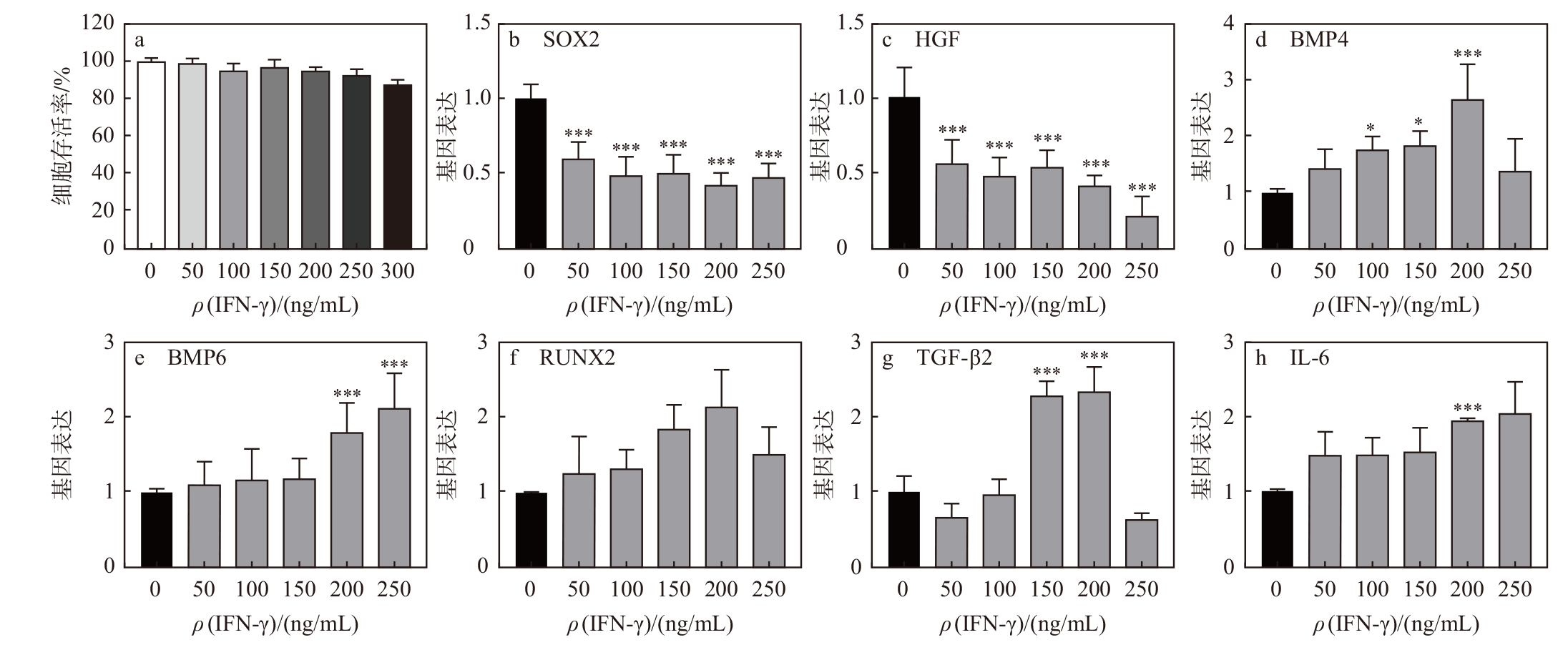
Fig.2
Effects of JKYF01 on the mRNA levels of key genes in IFN-γ-induced hDPCs"
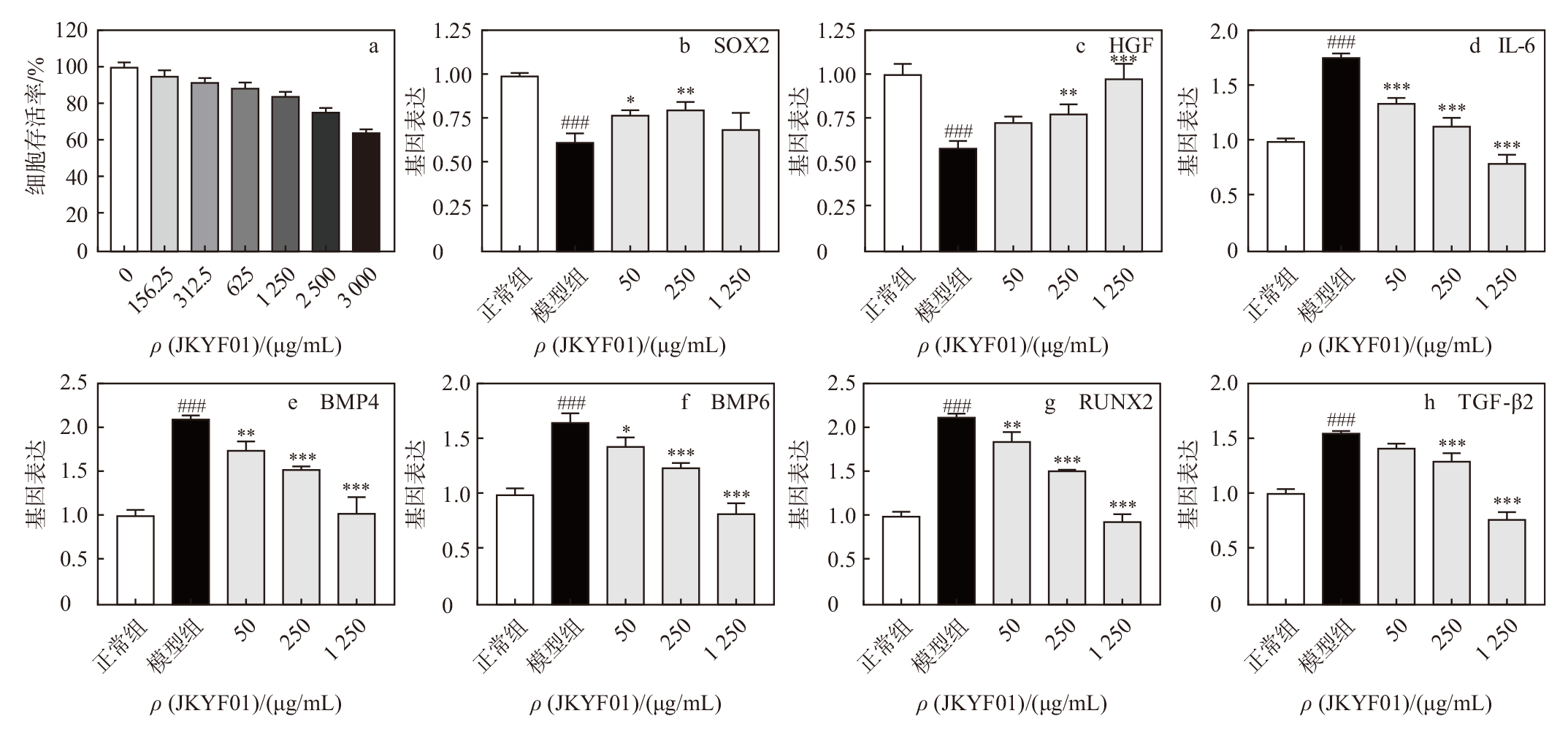
Fig.3
Effects of BO, EP, and PN extracts and minoxidil on the cell viability of hDPCs"
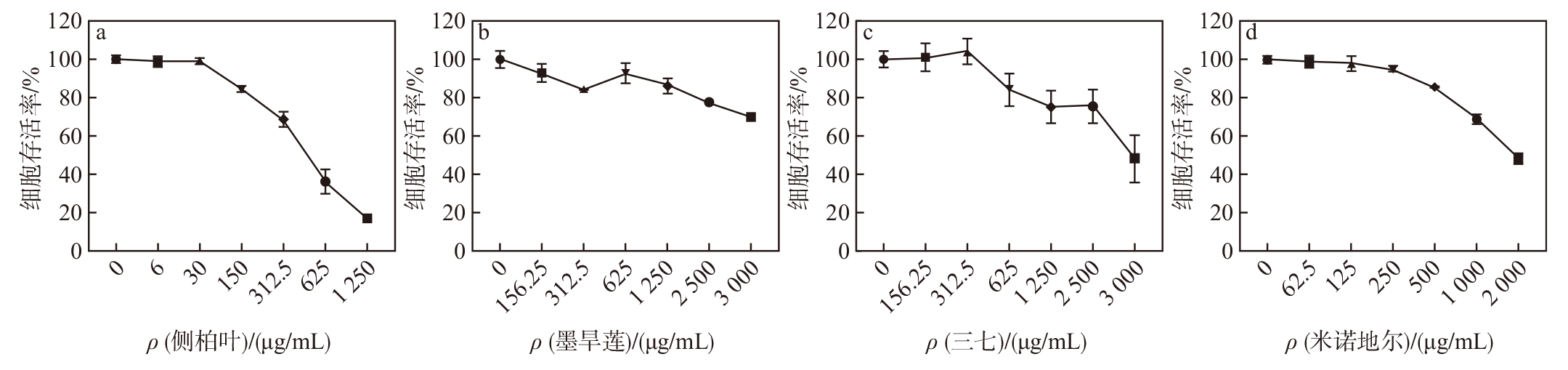
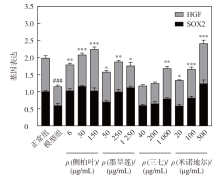
Fig.4
Effects of BO, EP, and PN extracts on anagen-related gene expression in IFN-γ-induced hDPCs"
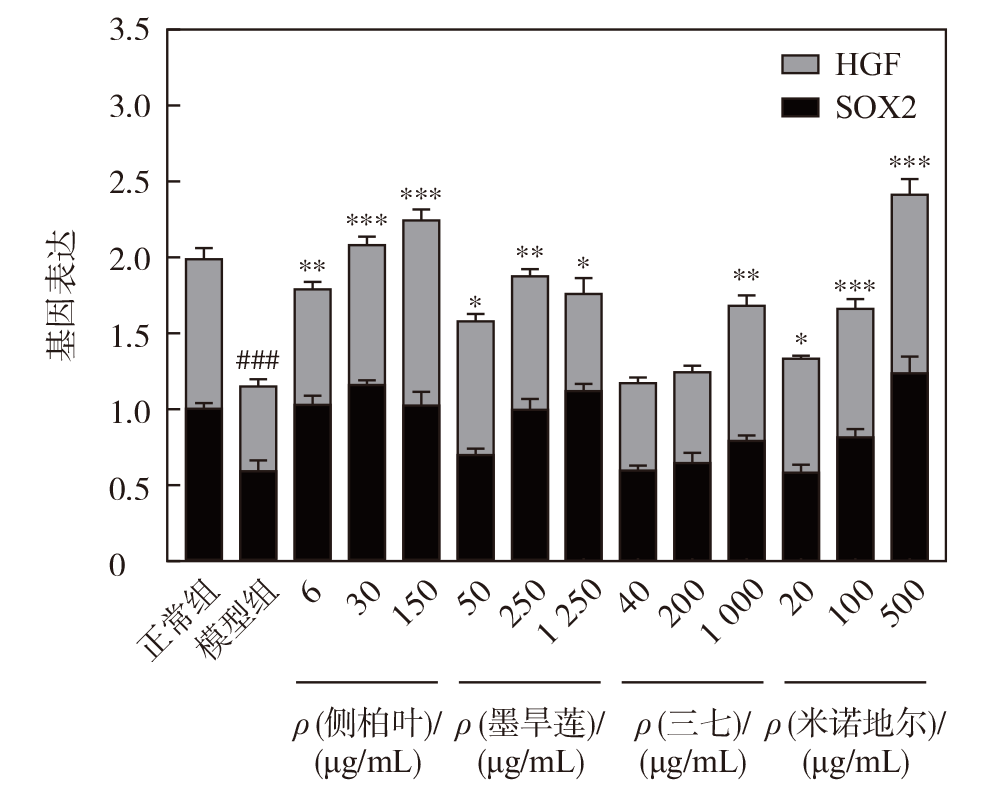
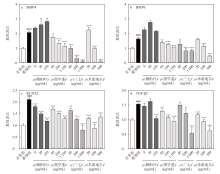
Fig.5
Effects of BO, EP, and PN extracts on catagen-related gene expression in IFN-γ-induced hDPCs"
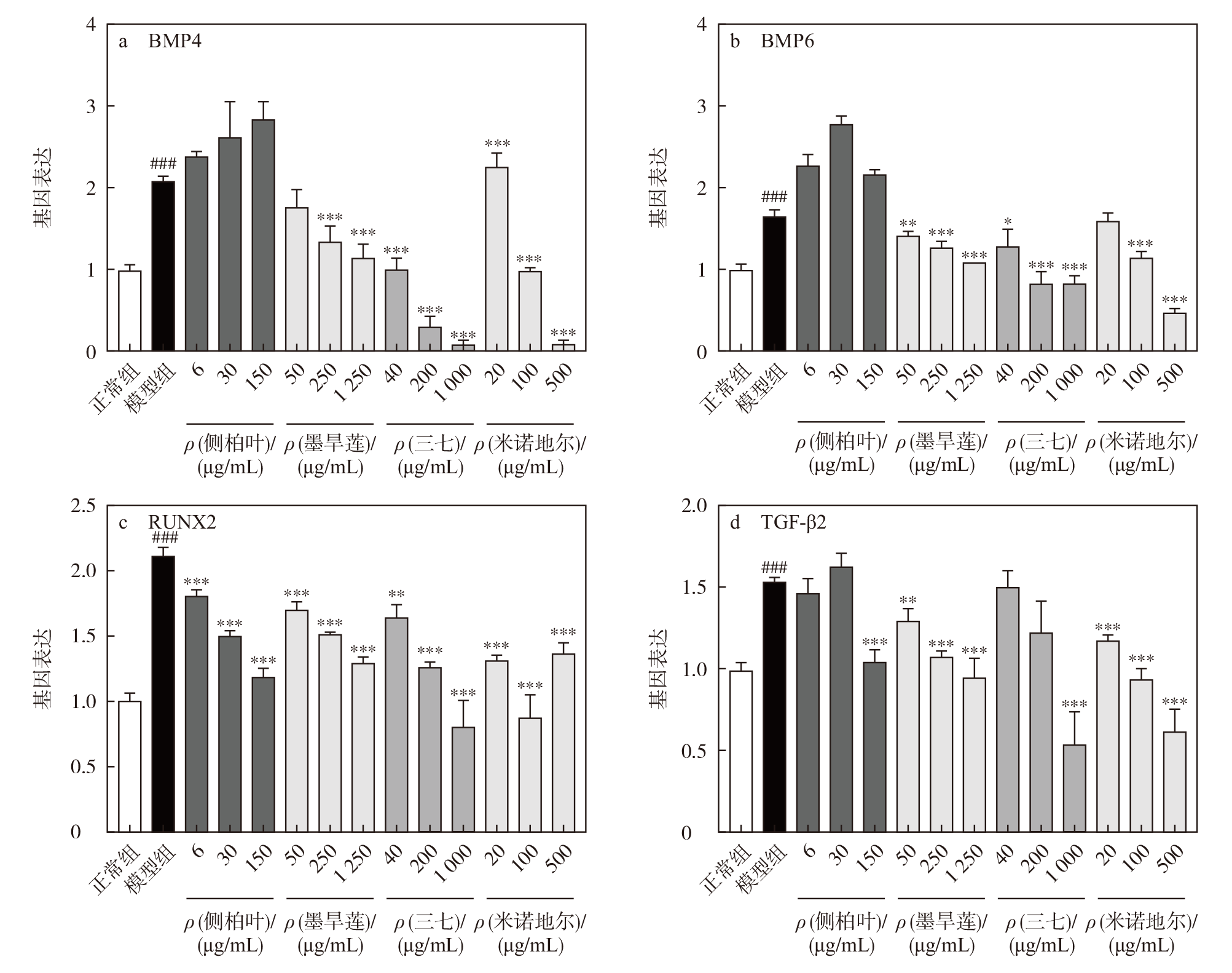
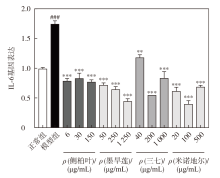
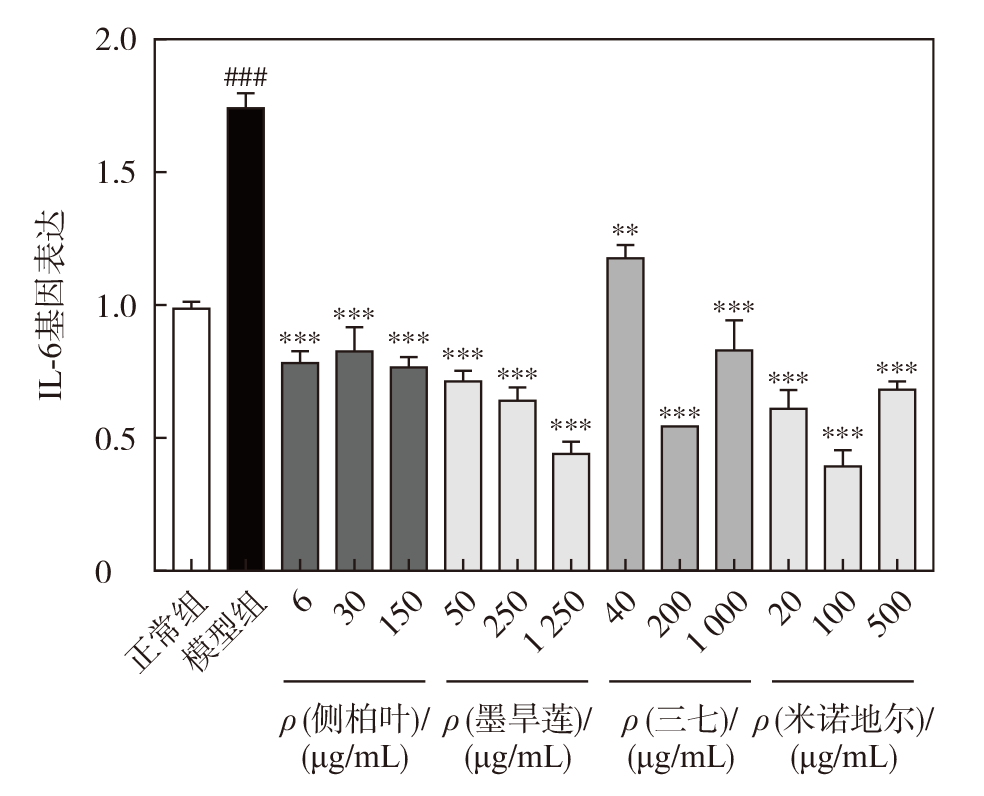
Fig.6
Effects of BO, EP, and PN extracts on IL-6 mRNA expression in IFN-γ-induced hDPCs"
Tab.2
Candidate bioactive compounds identified in JKYF01"
| 药物 | PubChem CID | 分子名称 |
|---|---|---|
| 侧柏叶 | 442879 | Hinokinin |
| 442048 | Isopimaric acid | |
| 5280863 | Kaempferol | |
| 5280343 | Quercetin | |
| 墨旱莲 | 5280442 | Acacetin |
| 5319744 | 3'-O-Methylorobol | |
| 5281803 | Pratensein | |
| 5489605 | Demethylwedelolactone | |
| 5281813 | Wedelolactone | |
| 5280445 | Luteolin | |
| 5280343 | Quercetin | |
| 三七 | 5280343 | Quercetin |
| 5280794 | Stigmasterol | |
| 33934 | Diop | |
| 5282184 | Mandenol | |
| 222284 | Beta-sitosterol | |
| 9918692 | Ginsenoside f2 | |
| 119307 | Ginsenoside rh2 | |
| 114829 | DFV |
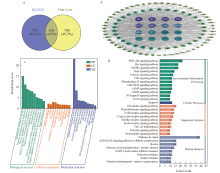
Fig.7
Network pharmacology analysis of the effects of anti-hair loss mechanisms of JKYF01"
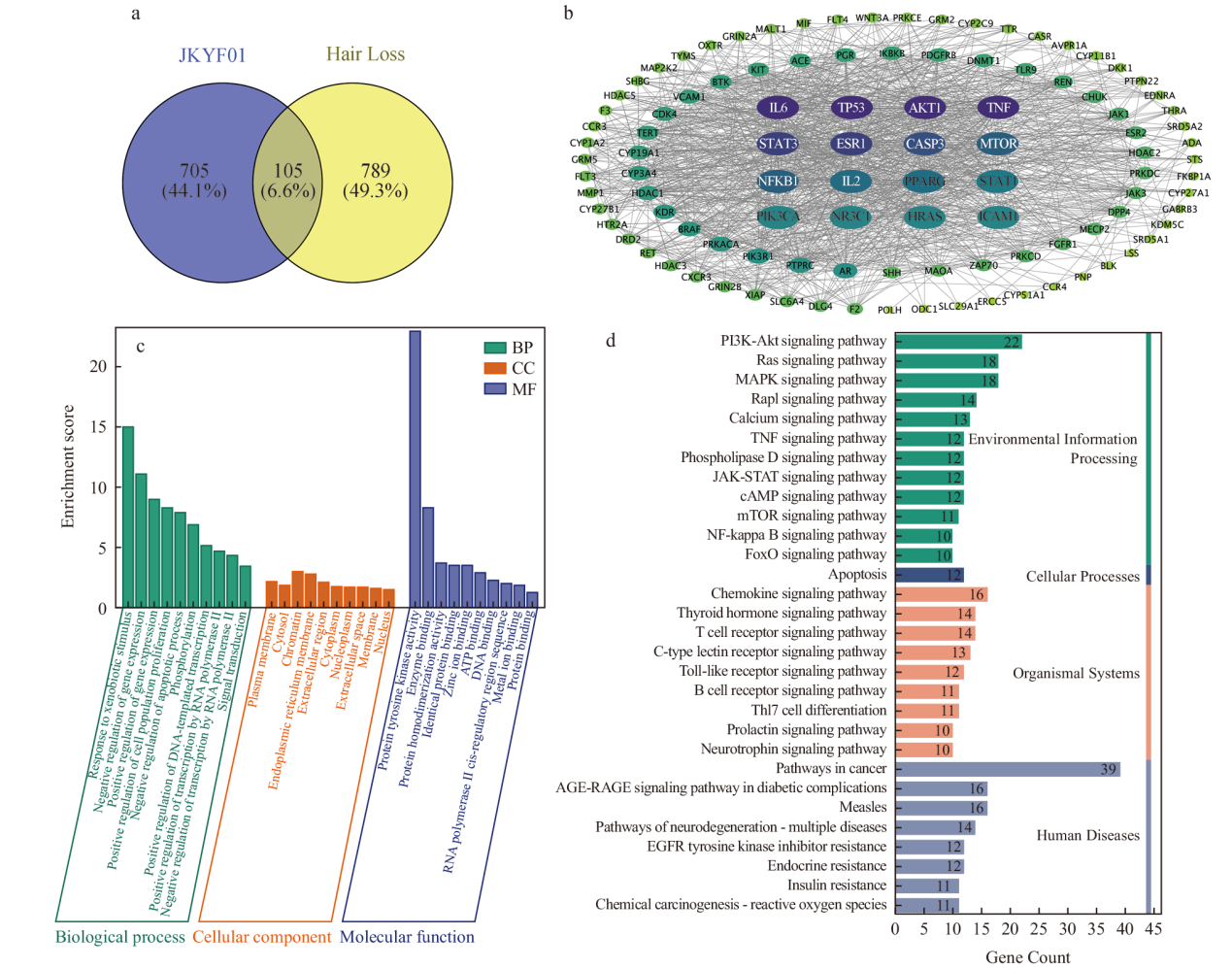
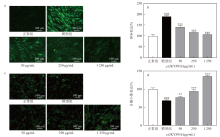
Fig.8
Effects of JKYF01 on ROS and autophagy levels in IFN-γ-induced hDPCs"
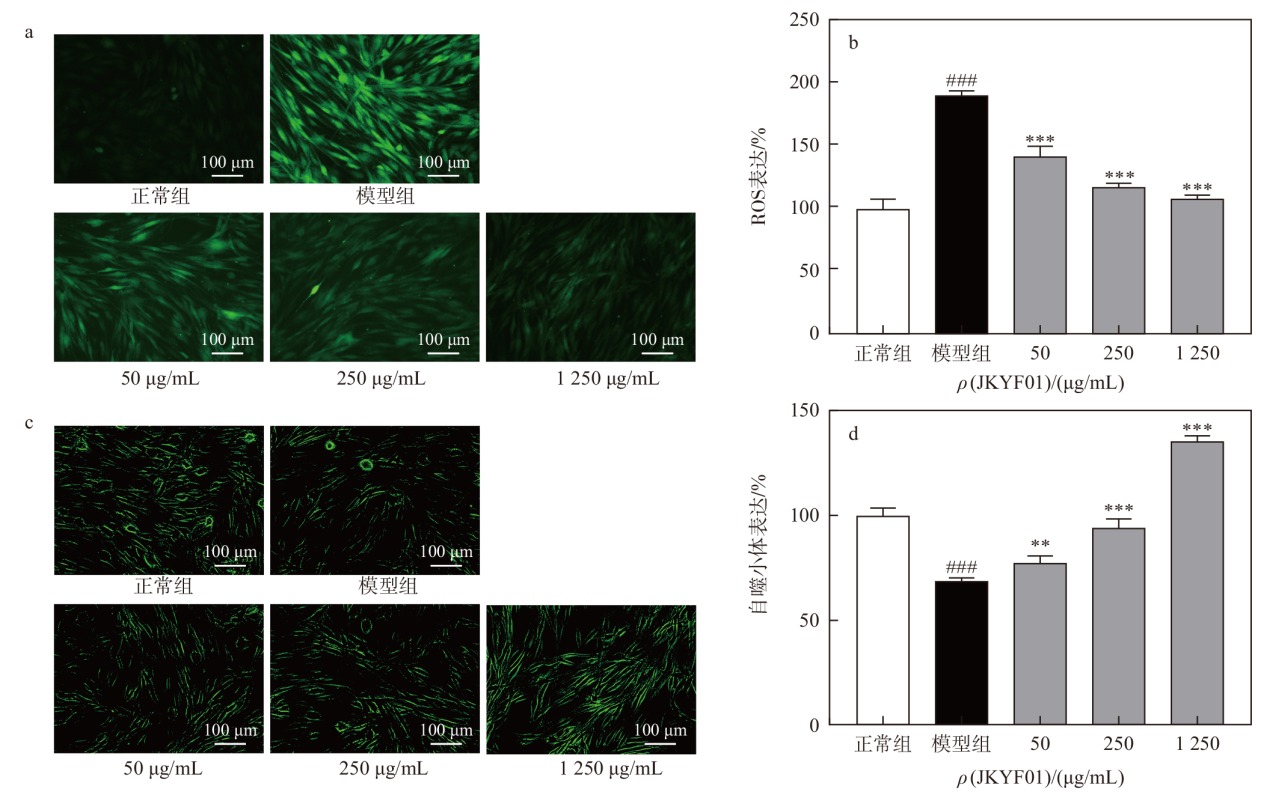
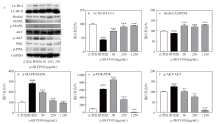
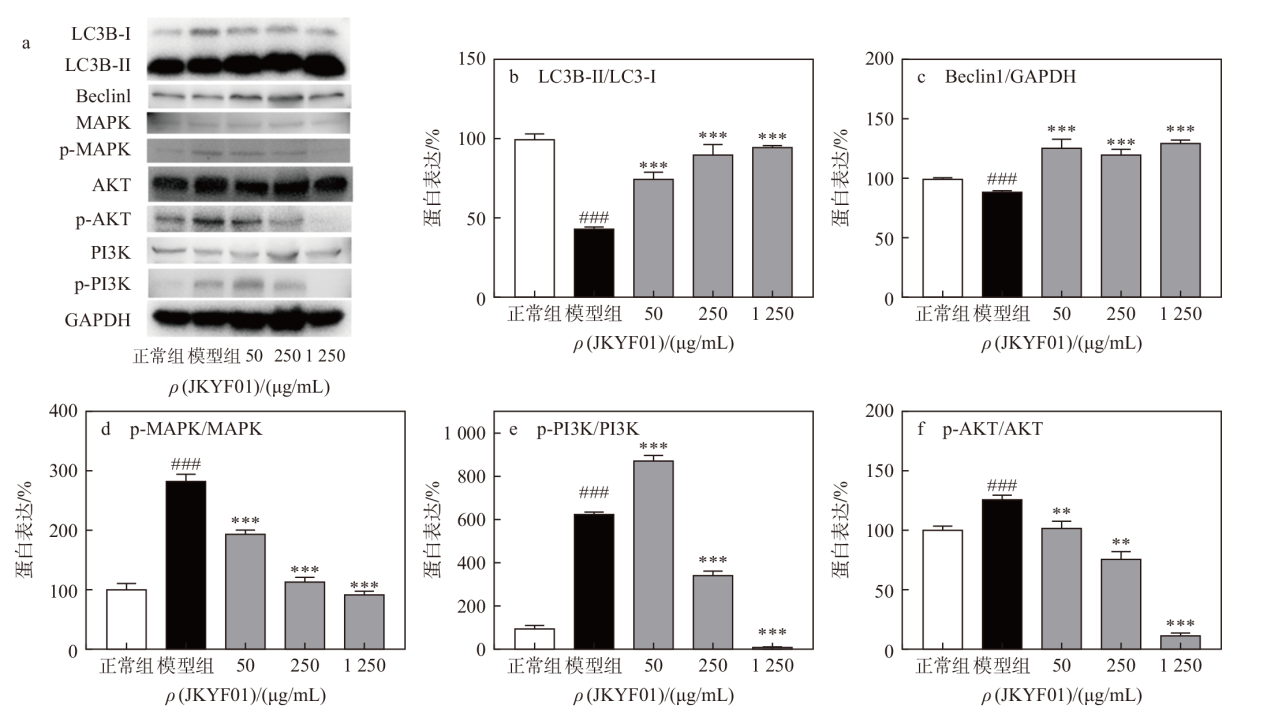
Fig.9
Effects of JKYF01 on autophagy-related protein expression in IFN-γ-induced hDPCs"
| [1] |
Liu Y, Yang S, Zeng Y, et al. Dysregulated behaviour of hair follicle stem cells triggers alopecia and provides potential therapeutic targets[J]. Exp. Dermatol., 2022, 31 (7) : 986-992.
doi: 10.1111/exd.14600 pmid: 35524394 |
| [2] |
Phillips T G, Slomiany W P, Allison R. Hair loss: Common causes and treatment[J]. Am. Fam. Physician, 2017, 96 (6) : 371-378.
pmid: 28925637 |
| [3] |
Hwang S L, Kim J C. In vivo hair growth promotion effects of cosmetic preparations containing hinokitiol-loaded poly(epsilon-caprolacton) nanocapsules[J]. J. Microencapsul., 2008, 25 (5) : 351-356.
doi: 10.1080/02652040802000557 pmid: 18465297 |
| [4] |
Cho E C, Kim K. A comprehensive review of biochemical factors in herbs and their constituent compounds in experimental studies on alopecia[J]. J. Ethnopharmacol., 2020, 258: 112907.
doi: 10.1016/j.jep.2020.112907 |
| [5] |
Lee M H, Shon Y S, Yoon K S. A fast and efficient UPLC-ESI-MS/MS method for detection, identification, and quantitative analysis of bioactive substances in medicinal herbal extracts of preventing hair loss[J]. Bull. Korean Chem. Soc., 2015, 36 (10) : 2469-2476.
doi: 10.1002/bkcs.2015.36.issue-10 |
| [6] | Zhang N N, Park D K, Park H J. Hair growth-promoting activity of hot water extract of Thuja orientalis[J]. BMC Complement. Altern. Med., 2013, 13 (1) : 9. |
| [7] |
Seo S R, Kang G, Ha J W, et al. In vivo hair growth-promoting efficacies of herbal extracts and their cubosomal suspensions[J]. J. Ind. Eng. Chem., 2013, 19 (4) : 1331-1339.
doi: 10.1016/j.jiec.2012.12.037 |
| [8] | 岳欣怡, 李筱玲, 李玉静, 等. 墨旱莲复方提取物的活性及洗发乳的研制[J]. 广州化工, 2023, 51 (12) : 45-49. |
| [9] | Wang Y, An Q, Yang H, et al. Chinese herbal composition for preventing hair loss and promoting growth, its preparation method, and application: CN 201710391672.3[P]. 2020-04-17. |
| [10] | 李魁, 杨和金, 安全, 等. 一种中药组方育发液对小鼠毛发生长的影响[J]. 科技广场, 2019, 42 (4) : 28-31. |
| [11] | Žnidarič M, Žurga Ž M, Maver U. Design of in vitro hair follicles for different applications in the treatment of alopecia-A review[J]. Biomedicines, 2021, 9 (4) : 421. |
| [12] | 陈仙祺, 马玲, 陈殿松, 等. 头发与头皮护理的科学基础(Ⅷ)--防脱生发体外评价方法以及植物防脱原料研究进展[J]. 日用化学工业(中英文), 2023, 53(8) : 873-881. |
| [13] |
Ryu S, Lee Y, Hyun M Y, et al. Mycophenolate antagonizes IFN-γ-induced catagen-like changes via β-catenin activation in human dermal papilla cells and hair follicles[J]. Int. J. Mol. Sci., 2014, 15 (9) : 16800-16815.
doi: 10.3390/ijms150916800 pmid: 25247578 |
| [14] | Lee Y J, Park S H, Park H R, et al. Mesenchymal stem cells antagonize IFN-induced proinflammatory changes and growth inhibition effects via Wnt/β-Catenin and JAK/STAT pathway in human outer root sheath cells and hair follicles[J]. Int. J. Mol. Sci., 2021, 22 (9) : 4916. |
| [15] |
Gupta K, Levinsohn J, Linderman G, et al. Single-cell analysis reveals a hair follicle dermal niche molecular differentiation trajectory that begins prior to morphogenesis[J]. Dev. Cell., 2019, 48 (1) : 17-31.
doi: S1534-5807(18)30988-2 pmid: 30595533 |
| [16] |
Clavel C, Grisanti L, Zemla R, et al. SOX2 in the dermal papilla niche controls hair growth by fine-tuning BMP signaling in differentiating hair shaft progenitors[J]. Dev. Cell., 2012, 23 (5) : 981-994.
doi: 10.1016/j.devcel.2012.10.013 pmid: 23153495 |
| [17] |
Plikus M V, Mayer J A, de la Cruz D, et al. Cyclic dermal BMP signalling regulates stem cell activation during hair regeneration[J]. Nature, 2008, 451 (7176) : 340-344.
doi: 10.1038/nature06457 |
| [18] |
Peyravian N, Deo S, Daunert S, et al. The inflammatory aspect of male and female pattern hair loss[J]. J. Inflamm. Res., 2020, 13: 879-881.
doi: 10.2147/JIR.S275785 pmid: 33204138 |
| [19] |
Saleh J. Murine models of melanoma[J]. Pathol. Res. Pract., 2018, 214 (9) : 1235-1238.
doi: S0344-0338(18)30380-7 pmid: 30037646 |
| [20] |
Brieger K, Schiavone S, Miller F J, et al. Reactive oxygen species: from health to disease[J]. Swiss. Med. Wkly., 2012, 142: 13659.
doi: 10.4414/smw.2012.13659 pmid: 22903797 |
| [21] | Du F, Li J, Zhang S, et al. Oxidative stress in hair follicle development and hair growth: Signalling pathways, intervening mechanisms and potential of natural antioxidants[J]. J. Cell. Mol. Med., 2024, 28(12) : e18486. |
| [22] |
Bejaoui M, Taarji N, Saito M, et al. Argan (Argania Spinosa) press cake extract enhances cell proliferation and prevents oxidative stress and inflammation of human dermal papilla cells[J]. J. Dermatol. Sci., 2021, 103 (1) : 33-40.
doi: 10.1016/j.jdermsci.2021.06.003 pmid: 34158211 |
| [23] | 严后友. HGF及其受体c-Met对毛囊生长的调控作用[J]. 中国麻风皮肤病杂志, 2007, 23 (5) : 413-419. |
| [24] | Shin J M, Kim K M, Choi M S, et al. The crosstalk between PTEN-induced kinase 1-mediated mitophagy and the inflammasome in the pathogenesis of alopecia areata[J]. Exp. Dermatol., 2024, 33 (1) : e14844. |
| [25] | Parodi C, Hardman J A, Allavena G, et al. Autophagy is essential for maintaining the growth of a human (mini-)organ: Evidence from scalp hair follicle organ culture[J]. PLoS Biol., 2018, 16 (3) : e2002864. |
| [26] |
Chai M, Jiang M, Vergnes L, et al. Stimulation of hair growth by small molecules that activate autophagy[J]. Cell Rep., 2019, 27 (12) : 3413-3421.
doi: S2211-1247(19)30699-0 pmid: 31216464 |
| [27] | Gao Y, Fan Z, Xiao X, et al. Epidermal ET-1 signal induces activation of resting hair follicles by upregulating the PI3K/AKT pathway in the dermis[J]. Faseb. J., 2024, 38 (4) : e23476. |
| [28] |
Kang J I, Choi Y K, Koh Y S, et al. Vanillic acid stimulates anagen signaling via the PI3K/Akt/β-Catenin pathway in dermal papilla cells[J]. Biomol. Ther. (Seoul), 2020, 28 (4) : 354-360.
doi: 10.4062/biomolther.2019.206 |
| [29] | Du B X, Lin P, Lin J. EGCG and ECG induce apoptosis and decrease autophagy via the AMPK/mTOR and PI3K/AKT/mTOR pathway in human melanoma cells[J]. Chin. J. Nat. Med., 2022, 20 (4) : 290-300. |
| [1] | Xiaomin Dai, Cen Chen, Qiaoyuan Cheng. Research on quality control of cosmetics containing olive leaf extract by integrating network pharmacology and HPLC [J]. China Surfactant Detergent & Cosmetics, 2026, 56(6): 756-763. |
| [2] | Qi Lu, Wendie Xiang, Guangtao Li, Shipeng Yin, Hongqi Gao, Guo Yu. Anti-aging effects and mechanism of enzymatic hydrolysate of Camellia chekiangoleosa Hu seed oil against D-galactose-induced senescence in human skin fibroblasts [J]. China Surfactant Detergent & Cosmetics, 2026, 56(5): 614-622. |
| [3] | Lei Zhang, Zihan He, Jun Yang, Xiaowei Zhou, Zhenhua Wang, Gang Li, Chengjun Ma. Study on essential oil from Platycladus orientalis L. branches for promoting hair growth in androgenetic alopecia mice [J]. China Surfactant Detergent & Cosmetics, 2026, 56(5): 623-634. |
| [4] | Wenrong Zhang, Lifeng Tang, Yan Jia. From cellular self-cleaning to skin health: Mechanisms and applications of autophagy in cosmetics [J]. China Surfactant Detergent & Cosmetics, 2026, 56(2): 252-259. |
| [5] | Wenyuan Chen, Xiaolan Chen, Jing Wan, Qin Deng, Yong Gao. Exploring the material basis and mechanisms of the action of Hibiscus mutabilis L. for its anti-inflammatory effects based on network pharmacology and cell experiments [J]. China Surfactant Detergent & Cosmetics, 2026, 56(1): 55-64. |
| [6] | Zhengang Peng, Zhengwan Huang, Zhe Liu, Xiaoxiao Lin. Studies on the anti-hair loss mechanism of Aquilaria sinensis leaf extract by integrated metabolomics and network pharmacology [J]. China Surfactant Detergent & Cosmetics, 2025, 55(6): 767-778. |
| [7] | Fan Wu, Jiaqi Zhang, Yi Qin, Jun Wang, Zonghan Wu, Yao Pan. Progress of cosmetic active ingredients exerting skincare efficacy through cellular autophagy [J]. China Surfactant Detergent & Cosmetics, 2025, 55(6): 803-810. |
| [8] | Binya Wang, Yang Yang, Qianghua Quan, Quan An, Cheng Yang, Bingtian Zhao. Elucidating the potential mechanism of Rhodiola crenulata on improving skin telangiectasia based on network pharmacology [J]. China Surfactant Detergent & Cosmetics, 2025, 55(5): 616-624. |
| [9] | Sha Li, Zumrat Aziz, Jiaqi Pang, Kun Dong. To explore the antioxidant mechanism of Hylocereus undatus root based on LC-MS/MS and network pharmacology [J]. China Surfactant Detergent & Cosmetics, 2025, 55(11): 1419-1427. |
| [10] | Fan Zhang, Dongqin He, Qianjin Bian, Fan Wu, Yi Qin, Yao Pan. Study on the anti-melanogenesis effect of vitamin C based on cellular autophagy [J]. China Surfactant Detergent & Cosmetics, 2025, 55(1): 83-88. |
| [11] | Wu Bi, Xiaohong Pan, Xiaoqin Tu, Shuai Yin, Hui Sun. Analysis of the mechanism of anti-sensitive skin effect of cosmetic raw material Stephania tetrandra based on network pharmacology [J]. China Surfactant Detergent & Cosmetics, 2024, 54(3): 305-312. |
| [12] | Xuelan Gu, Hong Zhang, Xue Xiao, Zhuang Zhou, Jue Qu, Yibing Shi. Skin brightening benefit of 4-hexylresorcinol in vivo and in vitro and its underlying mechanism [J]. China Surfactant Detergent & Cosmetics, 2024, 54(12): 1437-1446. |
| [13] | Sun Jinyue, He Congfen. Research status of network pharmacology and its application prospect in the field of cosmetics [J]. China Surfactant Detergent & Cosmetics, 2023, 53(9): 1087-1093. |
| [14] | Liu Li, Yin Yating, Cheng Kang, Li Hui, Lv Zhi, Yi Fan. Research on the application prospect of motherwort in cosmetics based on in silico approach [J]. China Surfactant Detergent & Cosmetics, 2023, 53(6): 686-697. |
| [15] | Dai Liyun, Wei Yujie, Lu Zhen, Wang Yuling, Yan Huan, Wu Yue. Fermented brown rice filtrate: a substance with anti-aging potential [J]. China Surfactant Detergent & Cosmetics, 2023, 53(3): 292-299. |
|
