Loading...
Welcome to China Surfactant Detergent & Cosmetics, Today is

Table of Content

    22 February 2026, Volume 56 Issue 2 Previous Issue    Next Issue
    Lecture of science and technology
    Viscoelastic surfactants(II)Formation mechanisms and system formulations of wormlike micelles
    Yujun Feng
    2026, 56 (2):  137-148.  doi: 10.3969/j.issn.2097-2806.2026.02.001
    Abstract ( 936 )   HTML ( 18 )   PDF (8334KB) ( 209 )  

    Wormlike micelles(WLMs), as versatile one-dimensional nanostructures, impart unique viscoelasticity and shear responsiveness to fluids, making them essential functional materials across numerous industrial and biomedical applications. This review delineates their formation mechanisms and system compositions to provide a theoretical basis for rational surfactant design. WLMs arise from a thermodynamic-kinetic interplay: the hydrophobic effect drives assembly, while headgroup repulsion balances it, with the critical packing parameter guiding the transition to cylindrical morphology. Adjusting molecular structure or milieu such as salt addition or aromatic counterion incorporation modulates curvature to favor elongation. Kinetically, these systems sustain dynamic equilibrium through scission, recombination, and exchange across timescales, governing stress relaxation and rheology. System formulations are categorized into cationic, anionic, zwitterionic, and nonionic types, employing strategies such as high-concentration long-chain surfactants, salt screening, hydrotrope synergism via cation-π interactions, and cosurfactant blending. Notably, ultra-long-chain surfactants(>C18)enable strong viscoelasticity at low concentrations, offering practical and theoretical advantages. Future work should prioritize quantitative insight through advanced characterization and simulation, establish predictive structure-property relationships, and develop stimuli-responsive WLMs for adaptive and sustainable technologies. Such advances will deepen colloidal science and accelerate next-generation soft material innovation.
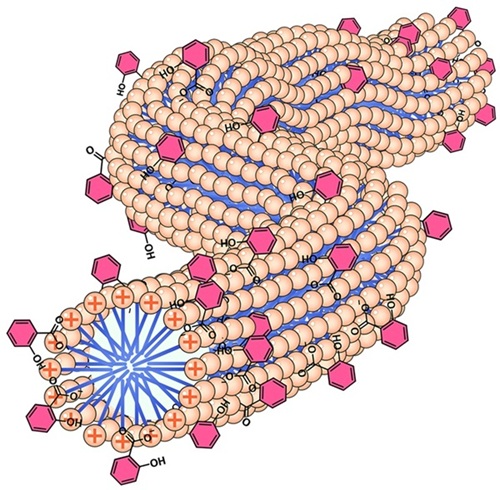

    Figures and Tables | References | Related Articles | Metrics
    Basic research
    A study on the microscopic mechanism for the formation of deep eutectic solvents based on matrine and fatty acids
    Wanhuang Guo, Zhicheng Ye, Chaoling Qi, Kangfu Zhou, Feifei Wang, Yazhuo Shang
    2026, 56 (2):  149-157.  doi: 10.3969/j.issn.2097-2806.2026.02.002
    Abstract ( 733 )   HTML ( 16 )   PDF (22501KB) ( 215 )  

    Deep eutectic solvents(DESs)have great significance for application in the fields of metal processing, organic reactions, and extraction, due to their advantages in ease of preparation, eco-friendliness, safety, and excellent solubility. Matrine(Mat)and fatty acids(FAs)have been widely used in pharmaceuticals and cosmetics because of their biological activities. In this work, the DESs formed by Mat and FAs(Mat-FA DES)were obtained and the microscopic mechanism for formation of DES was systematically investigated at molecular level by experiments and molecular dynamics(MD)simulation. The results showed that there was competition between those interactions in such DESs, including the interaction between Mat and FA(Mat-FA), the self-association of Mat(Mat-Mat)and the self-association of FA(FA-FA). When the Mat-FA interaction dominated, the Mat and FA molecules would be uniformly distributed at molecular level and thus a stable DES was formed with a melting point below 25 ℃. It should be noted that, when the interaction of FA-FA was weaker in the system, the DES could be formed at higher FA concentration. The present work provided a theoretical support for understanding the formation of Mat-FA DES, which could extend the potential applications of DES systems.

    Figures and Tables | References | Related Articles | Metrics
    Emulsifying properties of an isomer of sodium cetyl-o-xylene sulfonate and its microscopic mechanism at oil-water interface
    Xiaorong Ma, Jin Huang, Yan Xu, Feng Li, Qinghe Gao, Cuiqin Li
    2026, 56 (2):  158-168.  doi: 10.3969/j.issn.2097-2806.2026.02.003
    Abstract ( 512 )   HTML ( 13 )   PDF (13471KB) ( 122 )  

    As an important type of surfactants for oil flooding, the emulsification properties of heavy alkylbenzene sulfonates and their microscopic action mechanism at oil-water interface significantly affect the efficiency of oil flooding and the oil-water separation in the produced liquid. In this work, the emulsification properties of an isomer of sodium cetyl-o-xylene sulfonate(C16S)and its microscopic action mechanism at oil-water interface were investigated, and the influences of surfactant concentration, temperature, and NaCl concentration on the oil-water interfacial properties were also examined. The results showed that C16S significantly improved the stability of O/W and W/O simulated emulsions. When the mass concentration of C16S was increased from 10 mg/L to 60 mg/L, the Turbiscan stability index(TSI)and water separation percent(X)of the simulated emulsion both decreased, while the average backscattering light intensity(BSavg)of the W/O emulsion increased from 24.02% to 36.12%, and the average transmitted light intensity(Tavg)of the O/W emulsion decreased from 7.72% to 1.52%. The results of molecular dynamics(MD)simulation showed that, when the number of C16S molecules increased, the peak strength of radial distribution function increased, the interface thickness increased, and the interface energy decreased, thus leading to the increase in the stability of interfacial film. Raising temperature resulted in a slight decrease in the peak strength of radial distribution function of C16S, and the increases in both interface thickness and interface energy. The effects of the number of NaCl molecules on interface thickness and interface energy were both relatively small.

    Figures and Tables | References | Related Articles | Metrics
    Construction and performance evaluation of a profile-control and flooding system based on nano-SiO2 stabilized emulsion for high-temperature and high-salinity heavy oil reservoirs
    Shubin Shi
    2026, 56 (2):  169-175.  doi: 10.3969/j.issn.2097-2806.2026.02.004
    Abstract ( 541 )   HTML ( 4 )   PDF (4813KB) ( 145 )  

    To address the technical challenges of poor thermal stability and inadequate mobility control for using profile-control and flooding systems based on emulsions in high-temperature and high-salinity heavy oil reservoirs, in this work, a novel temperature-and salt-resistant nanoparticle-stabilized emulsion system was constructed for profile control and flooding, in which nano-SiO2 particles were modified by using lauramidopropylamine oxide(OA). The experimental results showed that, when the modification was carried out at an OA content of 0.05%, the constructed emulsion system exhibited good environmental adaptability, maintaining stability for over 30 days under harsh conditions of 90 ℃ and of salinity of 2×10⁵ mg/L. Rheological characterization showed that the system had obvious shear-thinning behavior with a viscosity recovery reaching 85.4%. Dynamic rheological analysis confirmed that the three-dimensional network structure formed by nanoparticles in aqueous phase was the key factor endowing the system with characteristics of elastic fluids. Core flooding experiments verified the excellent plugging performance of this system across a wide permeability range(50×10-3-3 500×10-3 μm2, with resistance factor > 80). Particularly in heterogeneous parallel-core experiments with permeability contrast of 4, the oil recovery was increased by 30.2%, the fractional flow rate was improved by over 40%, and both sweep efficiency and ultimate oil recovery were significantly enhanced.

    Figures and Tables | References | Related Articles | Metrics
    Preparation and evaluation of O/W microemulsions containing salicylic acid
    Yang Zhao, Yan Wang, Wenjie Tang, Shuohan Ren, Guihong Zhang, Jianggai Li
    2026, 56 (2):  176-184.  doi: 10.3969/j.issn.2097-2806.2026.02.005
    Abstract ( 195 )   HTML ( 10 )   PDF (12630KB) ( 160 )  

    The O/W microemulsions containing salicylic acid were prepared and evaluated. Isopropyl myristate was used as the oil phase and a mixture of Tween 80 and polyethylene glycol 400(1 : 1)was used as the mixed surfactants. The microemulsion formulation was optimized by solubility analysis, pseudo-ternary phase diagram construction, and central composite design-response surface methodology. The results showed that, the optimized formulation, consisting of 5% oil phase and 42.7% surfactant mixture, achieved a maximum drug-loading capacity of 48.303 mg/g. The microemulsion thus prepared was a transparent, clear O/W liquid with particle size of(7.66± 0.31)nm and polydispersity index of 0.11±0.04, demonstrating excellent thermal and freeze-thaw stabilities. In vitro release experiments showed that the microemulsion exhibited sustained release of salicylic acid in different media, with cumulative release rates approaching 82% to 96% over 48 hours, which was significantly higher than those of free salicylic acid. In addition, in vitro tyrosinase inhibition assays indicated that the microemulsion enhanced the bioavailability of salicylic acid, achieving inhibition rate of over 95% when the salicylic acid content was 0.5% or more. In conclusion, the optimized microemulsion formulation had superior drug-loading capacity, stability, and sustained-release characteristics, effectively improving the therapeutic efficacy of salicylic acid. This microemulsion system was proposed as a potential drug delivery carrier, which might offer new technical support for the clinical application of salicylic acid.

    Figures and Tables | References | Related Articles | Metrics
    Spreading and penetration of liner on the surface of solid propellant and its composition optimization
    Xiaoyun Li, Junwei Wang, Huanting Li, Yuanli Zhang
    2026, 56 (2):  185-190.  doi: 10.3969/j.issn.2097-2806.2026.02.006
    Abstract ( 118 )   HTML ( 4 )   PDF (3483KB) ( 136 )  

    The liner, which is a transition layer serving as a bridge between the main material of the solid propellant and the coating layer, can significantly enhance the bonding between the solid propellant and the coating, thereby ensuring the structural integrity and operational reliability of the solid propellant during storage and usage. Therefore, the spreading, penetration, and coverage of this transition layer on the surface of solid propellant directly affect the propellant’s service efficiency. So, the surface behavior of this transition layer on the propellant is worth studying. Improving the spreading uniformity of the transition layer on the propellant surface and ensuring adequate penetration can enhance its interaction with the propellant surface. In this work, the spreading and penetration of different transition layers on the surface of solid propellant were studied by dynamic contact angle measurement. The relationship between the composition of the transition layer and its spreading and penetration was analyzed by calculating the surface energy of different propellants and measuring the surface tension of transition layer. Accordingly, the composition of transition layer was optimized. The results showed that, the larger the surface energy of solid propellant, the better the spreading of transition layer on its surface. When the propellant exhibited a surface energy of 97.62 mJ/m2, both the instantaneous contact angles of water and glycerol on its surface were smaller than those observed at the surface energy of 55.83 mJ/m2. Furthermore, the composition of the transition layer had significant influence on its surface tension. By adjusting the composition, the surface tension of the transition layer could be reduced from 48.7 mN/m to approximately 24.8 mN/m. Therefore, the spreading and penetration of the transition layer on the propellant surface could be improved by modifying the propellant surface and regulating the composition of the transition layer, which would improve the interfacial bonding strength between the propellant and the cladding.

    Figures and Tables | References | Related Articles | Metrics
    Synergistic enhancement of visible-light photocatalytic methyl orange degradation via oxygen vacancy TiO2/Sn3O4 composites
    Cailing Jia, Zhanting Zhang, Fuwei Yan, Fuyue Liu, Yanni Wu, Fen Wang, Haijiao Xie
    2026, 56 (2):  191-200.  doi: 10.3969/j.issn.2097-2806.2026.02.007
    Abstract ( 141 )   HTML ( 5 )   PDF (12549KB) ( 122 )  

    The escalating pace of industrialization has significantly intensified water pollution challenges, for instance, the persistent organic pollutants like methyl orange(MO). Conventional remediation techniques, such as adsorption and biological degradation, are often hampered by low efficiency and the risk of secondary pollution. Photocatalysis emerges as a promising sustainable alternative; however, the benchmark material titanium dioxide(TiO2)suffers from its intrinsic limitations, notably its wide bandgap energy(≥3.4 eV)restricting its activity to the region of the ultraviolet light and its rapid recombination of photogenerated charge carriers. To overcome these constraints, this research focused on synthesizing novel TiO2/Sn3O4 heterojunction composite photocatalysts via a solvothermal approach. Comprehensive characterization techniques confirmed the successful formation of the composite, which revealed that ultrathin Sn3O4 nanosheets uniformly coated TiO2 nanospheres. This unique architecture effectively reduced the overall crystallinity and introduced the beneficial oxygen vacancies. Under visible-light irradiation(λ≥420 nm), the optimized TiO2/Sn3O4 composite exhibited the exceptional photocatalytic performance, which achieved 96% degradation of MO within just 60 minutes. The calculated apparent kinetic rate constant(0.103 min-1)was remarkably(5.15 times)higher than that of pristine TiO2. ESR experiments identified that hydroxyl radicals(·OH)was the predominant active species driving the degradation. Furthermore, cyclic degradation tests demonstrated its excellent material stability, with the composite retaining 85% of its initial efficiency after four consecutive reuse cycles. This work underscored the synergistic effects within the TiO2/Sn3O4 heterojunction, which significantly enhanced the visible-light absorption, charge separation, and photocatalytic activity, which provided the valuable insights for designing efficient, stable catalysts for the advanced environmental remediation applications.

    Figures and Tables | References | Related Articles | Metrics
    Preparation and performance evaluation of the nanoemulsions stabilized with betaine surfactants
    Chunsheng Zhang, Changlong Liu, Bin Chen, Yanyue Li, Fantao Meng, Peng Zhao
    2026, 56 (2):  201-207.  doi: 10.3969/j.issn.2097-2806.2026.02.008
    Abstract ( 157 )   HTML ( 18 )   PDF (10355KB) ( 128 )  

    To solve the problems of high injection pressure and low injection efficiency during the process of water flooding, three nanoemulsion systems(S-S12, S-S16, and S-C16)for pressure reduction and injection stimulation were developed. Their stability, particle size morphology, interfacial tension, wetting ability, stripping ability, and performance of reducing pressure and increasing injection were evaluated. Laboratory evaluation results showed that all the three nanoemulsion systems had good stability, nano-sized droplets(all less than 350 nm), and low oil-water interfacial tension. Among them, the interfacial tension between 0.1% S-S16 nanoemulsion and crude oil reached an ultra-low level, which changed the wettability of the core surface from lipophilic to weakly hydrophilic. It was also the best one for stripping crude oil, leading to a 48% reduction in carbon content. In addition, the injection of S-S16 nanoemulsion system after water flooding in natural cores could lead to a 78.70% reduction in the replacement pressure, which achieved efficient performance in pressure reduction and injection stimulation.

    Figures and Tables | References | Related Articles | Metrics
    Study on the species diversity of culturable bacteria in human facial skin and the influence of cosmetic preservatives
    Danyu Wang, Xueshuo Wang, Haipeng Luo, Jingyun Li, Shenghui Cui, Yong Lu
    2026, 56 (2):  208-216.  doi: 10.3969/j.issn.2097-2806.2026.02.009
    Abstract ( 173 )   HTML ( 9 )   PDF (5811KB) ( 160 )  

    This study aims to investigate the species diversity of culturable bacteria in the facial skin of healthy people, and to explore the potential effects of cosmetic preservatives on microecological balance. A total of 130 skin samples from 3 facial regions of 56 healthy volunteers were isolated and cultured by culturomics technology, and the strains were identified by high-throughput technologies such as MALDI-TOF MS, 16S rRNA sequencing, and whole genome sequencing. The identification results were combined with the information of the volunteers for data analysis. Four hundred and thirty-five strains of bacteria(4 phyla, 41 genera and 88 species)are successfully cultured. The dominant phylum is Firmicutes(71.03%), the dominant genus is Staphylococcus (59.54%), and the dominant species is Staphylococcus epidermidis (50.80% of the total strains). The diversity of microbiota increases in the elderly and non-cosmetic users. The quaternary ammonium salt preservative(cetyltrimethylammonium bromide), paraben preservative(ethyl 4-hydroxybenzoate)and formaldehyde releaser-based preservative(imidazolidinyl urea)in cosmetics show significant inhibitory effects on facial cultivable bacteria. Human facial skin is rich in microbial resources, and the differences in host gender, age and cosmetic exposure influence the structure of microbial communities. Culturomics can not only expand the resources of human prokaryotic species, but also support and complement sequencing-based metagenomics research to promote the development of skin microbiology.

    Figures and Tables | References | Related Articles | Metrics
    Based on the AHP-EWM combined weighting optimization: preparation of bakuchiol liposomes and its effect on delaying skin aging
    Penghe Wan, Ning Lv, Minghui Mao, Haiying Yu, Chaoyue Xue, Qiyan Li
    2026, 56 (2):  217-225.  doi: 10.3969/j.issn.2097-2806.2026.02.010
    Abstract ( 189 )   HTML ( 11 )   PDF (8261KB) ( 160 )  

    In this study, we evaluated encapsulation efficiency, particle size, zeta potential, and polydispersity index(PDI)as key indicators. We combined the Analytic Hierarchy Process(AHP)with the Entropy Weight Method(EWM)to assign scientific weights to these indicators. Based on response surface methodology, we optimized the liposome preparation process and characterized the liposome morphology using transmission electron microscopy(TEM)and other techniques. Experimental verification identified the optimal liposome preparation conditions: a hydration time of 45 minutes, a lecithin-to-bavachin mass ratio of 8∶1, a hydration temperature of 45 ℃, and a lecithin-to-cholesterol mass ratio of 4∶1. Under these conditions, the liposome particle size is(177.52±5.22)nm, the PDI is 0.36±0.05, and the Zeta potential is(-45.60±3.68)mV, indicating uniform particle size distribution, good stability, and appropriate surface charge. We used UVA-irradiated human skin fibroblasts(HSF)to establish a photoaging cell model and evaluated cell viability through CCK-8 testing. We also analyzed photoaging damage and drug intervention effects by detecting reactive oxygen species(ROS), superoxide dismutase(SOD), and catalase(CAT). Results show that a UVA radiation dose of 5 J/cm2 effectively induces cellular photoaging. Bakuchiol liposomes(Bak-lip)exhibit no significant toxicity at the concentrations of 0 - 10 μg/mL and significantly reduce intracellular ROS levels in photoaged cells while enhancing SOD and CAT activities, with the most significant effects at 5 μg/mL(p<0.05). Compared to free bakuchiol, Bak-lip improves the water solubility of bakuchiol due to its bilayer liposome structure. This structure effectively encapsulates the hydrophobic bakuchiol and protects it from activity loss caused by environmental factors, enabling more stable antioxidant function.

    Figures and Tables | References | Related Articles | Metrics
    Development and application
    Preparation and performance study of a special low-foaming cleaning surfactant for agricultural film
    Ruochen Wu, Zhenbang Xu, Chengjun Pan, Lei Wang
    2026, 56 (2):  226-235.  doi: 10.3969/j.issn.2097-2806.2026.02.011
    Abstract ( 160 )   HTML ( 6 )   PDF (21604KB) ( 129 )  

    To address the lack of specialized low-foaming cleaning agents in the recycling process of agricultural films, this study evaluated cleaning efficiency using haze measurement and developed an environmentally friendly low-foaming cleaning agent by selecting and formulating a compound system composed of sodium fatty alcohol ether sulfate(AES)and nonionic surfactants(C8-10, C10, 1003, 1006). Experimental results demonstrate that the ternary compound formula(1 g/L AES+1.5 g/L 1003+1.5 g/L 1006)significantly reduces the haze value of the film(from over 40 to 12.27)within a 1 h cleaning period, while achieving a near-zero foam persistence height(approximately 0 mm)after 5 mins, meeting the requirements for water-saving, low-foaming, and high-efficiency cleaning. SEM, XRF and other characterization methods confirm that the residual stain on the surface of the film was significantly reduced after cleaning, and the overall cleaning rate of the main residual oxides(SiO2, CaO, Al2O3)is more than 97%. This study provides a green and efficient cleaning solution for agricultural film recycling, which has important practical value for alleviating “white pollution”.

    Figures and Tables | References | Related Articles | Metrics
    Study on the repairing effect of Dong’ e Ejiao on skin barrier injury in mice
    Xinyu Gao, Yanan Sun, Lishuang Li, Yucui Jin, Shuhua Ma, Yi Wang
    2026, 56 (2):  236-244.  doi: 10.3969/j.issn.2097-2806.2026.02.012
    Abstract ( 158 )   HTML ( 8 )   PDF (25864KB) ( 155 )  

    The effect of Dong’e Ejiao on repairing mechanical skin barrier injury in mice was investigated. A mouse skin barrier injury model was established using the tape-stripping method. Transepidermal water loss(TEWL)at the damaged skin site was measured after model establishment. The repair effect of donkey-hide gelatin on skin barrier damage was observed through the C-Cube multi-functional skin imaging instrument. Optical coherence tomography(OCT)imaging and HE staining were used to observe the effect of donkey-hide gelatin on the thickness of injured skin. The mRNA levels of filaggrin(FLG), involucrin(IVL), tight junction protein zonula occludens-1(ZO-1), and inflammatory factors interleukin-1α(IL-1α)and interleukin-1β(IL-1β)were detected by RT-qPCR. The protein levels of skin barrier-related proteins were examined by immunohistochemistry(IHC), and its regulatory effect on thymic stromal lymphopoietin(TSLP)was verified by immunofluorescence(IF). The results show that Dong’e Ejiao significantly reduces TEWL in tape-stripped mice, decreases skin thickness, improves disordered epidermal structure, up-regulates the expression of FLG, IVL, and ZO-1, and suppresses the expression of TSLP and down-regulates the mRNA levels of inflammatory factors including IL-1α and IL-1β. These results indicate that Dong’e Ejiao repairs the skin barrier by modulating the expression of barrier proteins and inflammatory factors. This demonstrates its potential for application in the field of skin health and provides a theoretical basis for such use.

    Figures and Tables | References | Related Articles | Metrics
    Reviews
    Study on the safety evaluation and regulatory status of 4-methylbenzylidene camphor sunscreen agent
    Na Ta, Hui Duo, Fenglan Zhang, Zhenxi Yu, Bo Li, Zhe Su
    2026, 56 (2):  245-251.  doi: 10.3969/j.issn.2097-2806.2026.02.013
    Abstract ( 175 )   HTML ( 3 )   PDF (1202KB) ( 156 )  

    This study aims to systematically review the relevant research data of 4-methylbenzylidene camphor, comprehensively evaluate its safety as a cosmetic sunscreen, and provide a scientific basis for the use and regulation of this ingredient in China. Through literature research, this substance was studied from multiple dimensions including physical and chemical properties, market applications, human absorption and metabolism mechanisms, and safety. At the same time, by reviewing the evaluation process and attitude of the European Union Scientific Committee on Consumer Safety over the past two decades, a summary and analysis of the regulatory status of countries(regions)such as the European Union, the United States, Canada, Australia, Japan and the Association of Southeast Asian Nations were conducted. Through research, it has been found that in vivo experimental data indicate that 4-methylbenzylidene camphor may have certain effects on the thyroid system, and there is evidence to suggest that it has potential endocrine-disrupting properties. Although the frequency of use of 4-methylbenzylidene camphor in the domestic cosmetics market has shown a downward trend, its use is still relatively widespread compared to the EU market, and there are certain safety risks. Therefore it is recommended that regulatory authorities reevaluate the safety of this ingredient and develop scientifically reasonable usage limits based on this to ensure public safety in cosmetics.

    Figures and Tables | References | Related Articles | Metrics
    From cellular self-cleaning to skin health: Mechanisms and applications of autophagy in cosmetics
    Wenrong Zhang, Lifeng Tang, Yan Jia
    2026, 56 (2):  252-259.  doi: 10.3969/j.issn.2097-2806.2026.02.014
    Abstract ( 609 )   HTML ( 9 )   PDF (1739KB) ( 175 )  

    Autophagy, a core cellular mechanism for clearing damaged components, has emerged as a focal topic in skin health and cosmetic development in recent years. This review outlines the cell-type-specific regulatory networks of autophagy in keratinocytes, melanocytes, fibroblasts, and sebocytes, highlighting its pivotal roles in epidermal barrier repair, skin lightening, anti-aging, and sebum regulation. We further elucidate the underlying mechanisms by which autophagy sustains cellular homeostasis: scavenging oxidative damage, degrading melanosomes, and modulating lipid metabolism. Additionally, we summarize the evidence supporting autophagy-targeting effects of cosmetic ingredients(e.g., niacinamide, resveratrol, tranexamic acid)and address key application challenges, particularly the standardization of autophagy detection assays. Future studies should prioritize investigating the dose-response effects and interindividual variability of autophagy modulation, alongside mechanism validation and clinical translation, to provide foundational theoretical support for advancing cosmetics from “superficial care” to “cellular-level repair”.

    Figures and Tables | References | Related Articles | Metrics
    Analytical methods and testing
    Screening and determination of 23 local anesthetics in cosmetics using UPLC-Q-TOF-MS and HPLC-QQQ-MS/MS
    Ruotong Yang, Fangyuan Wu, Guangqian Xu, Guiwen Guo, Haiyan Wang, Lingyun Jia
    2026, 56 (2):  260-270.  doi: 10.3969/j.issn.2097-2806.2026.02.015
    Abstract ( 145 )   HTML ( 4 )   PDF (5292KB) ( 123 )  

    The laboratory established an efficient reversed-phase ultra-high-performance liquid chromatography-quadrupole time-of-flight mass spectrometry(UPLC-Q-TOF-MS)qualitative method for screening more than 2 000 kinds of risk substances(including local anesthetics, LAs)in cosmetics, which has been successfully applied in the analysis of actual samples. This work aims to develop a more convenient high performance liquid chromatography triple quadrupole mass spectrometry(HPLC-QQQ-MS/MS)method for the quantitative determination of LAs. Samples were ultrasonically extracted with methanol, separated on an Agilent Poroshell 120 EC-C18 column(2.1 mm × 100 mm, 2.7 μm), and eluted with a gradient mobile phase consisting of 0.1% formic acid aqueous solution and methanol. Quantification was performed using the external standard method. The results show that all 23 LAs are effectively separated within 12 minutes, with good linearity in the corresponding concentration ranges and the correlation coefficients all greater than 0.99. The limits of detection(LOD)range from 0.002 5 to 0.05 μg/g, and the limits of quantification(LOQ)range from 0.01 to 0.1 μg/g. The average recoveries of the 23 LAs in 5 blank cosmetic matrices are 80.68%-117.57%, with the relative standard deviations(RSDs)less than 5.98%. This method has good precision and high accuracy, and is suitable for the determination of LAs in 5 cosmetic matrices.

    Figures and Tables | References | Related Articles | Metrics
    Determination of cannabinoids in cosmetics by solid phase extraction with response surface methodology
    Yumei Wang, Zhen Liu, Qinan Liu, Xing Jiang, Haolun Huang, Xiaojie Sun
    2026, 56 (2):  271-276.  doi: 10.3969/j.issn.2097-2806.2026.02.016
    Abstract ( 134 )   HTML ( 2 )   PDF (8518KB) ( 138 )  

    A new method was established for the determination of 8 cannabinoids in cosmetics by solid phase extraction(SPE)using high performance liquid chromatography tandem mass spectrometry(HPLC-MS/MS). The cosmetic samples were extracted with acetonitrile and ultrasonic extraction, then sodium chloride was added. After being vortexed and centrifuged, the liquid supernatant was purified with EMR-Lipid SPE. This SPE column could selectively remove large molecular substances such as lipids from cosmetic matrices, which has excellent purification effects. Then 8 cannabinoids were separated on a Waters ACQUITY UPLC BEH C18 column by gradient elution using acetonitrile and 10 mmol/L ammonium acetate aqueous solution containing 0.1% formic acid as mobile phases. The data were collected by electrospray ionization source and multiple reaction monitoring mode. Optimization was conducted using a three-factor and three-level response surface method for the best conditions of determination. The optimum determination conditions are acetonitrile volume: 10 mL; ultrasonic time: 20 min; sodium chloride mass: 1 g. Under this combination of conditions, the average recoveries are between 85.1% and 98.5% at three spiked levels, and the relative deviations are less than 8.5%. There are good linear relationships for 8 cannabinoids. The linear relationships(R2)are above 0.99. The limits of detection(LOD)range from 0.5 to 2.5 ng/g, and the limits of quantification(LOQ)range from 1 to 5 ng/g. The method is accurate and suitable for the determination of 8 cannabinoids in cosmetics.

    Figures and Tables | References | Related Articles | Metrics