Welcome to China Surfactant Detergent & Cosmetics, Today is


China Surfactant Detergent & Cosmetics ›› 2026, Vol. 56 ›› Issue (7): 882-892.doi: 10.3969/j.issn.2097-2806.2026.07.006
• Basic research • Previous Articles Next Articles
Qi Liu1,*( ),Xiaogang Wei2,Chaopeng Li3
Received:2025-09-04
Revised:2026-07-04
Online:2026-07-22
Published:2026-08-06
Contact:
*E-mail: CLC Number:
Qi Liu, Xiaogang Wei, Chaopeng Li. Preparation and photocatalytic properties of pitch-based activated carbon supported polyaniline/carbon nitride materials[J].China Surfactant Detergent & Cosmetics, 2026, 56(7): 882-892.
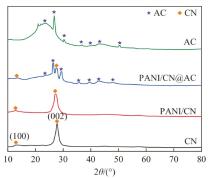
Fig.1
XRD patterns of the PANI/CN@AC composites"
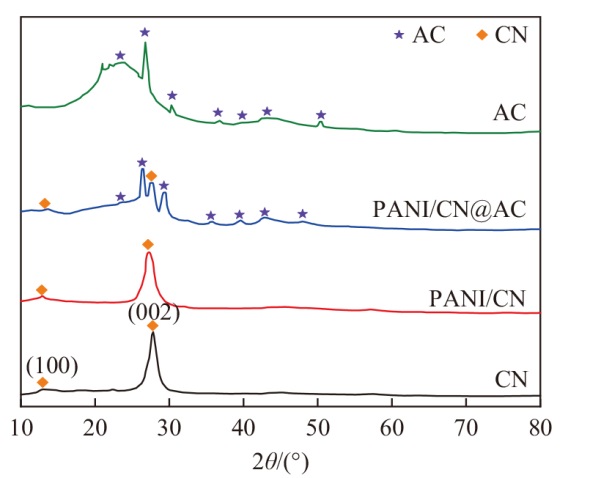
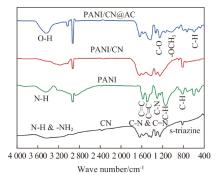
Fig.2
FTIR spectra of the PANI/CN@AC composites"
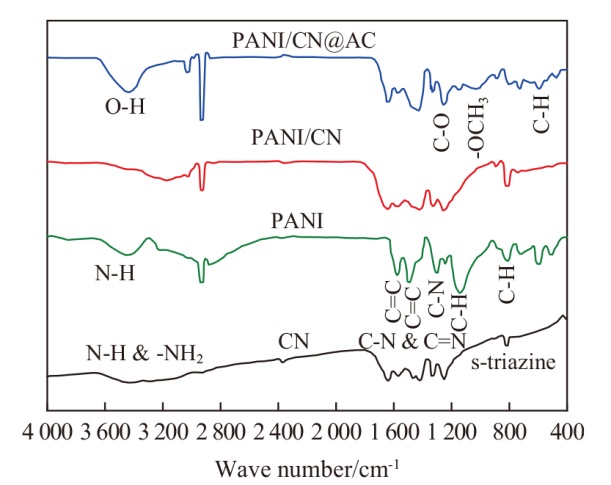
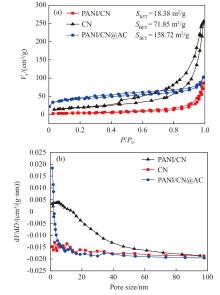
Fig.3
N2 adsorption-desorption isotherms(a)and pore size distribution curves(b)of the PANI/CN@AC composites"
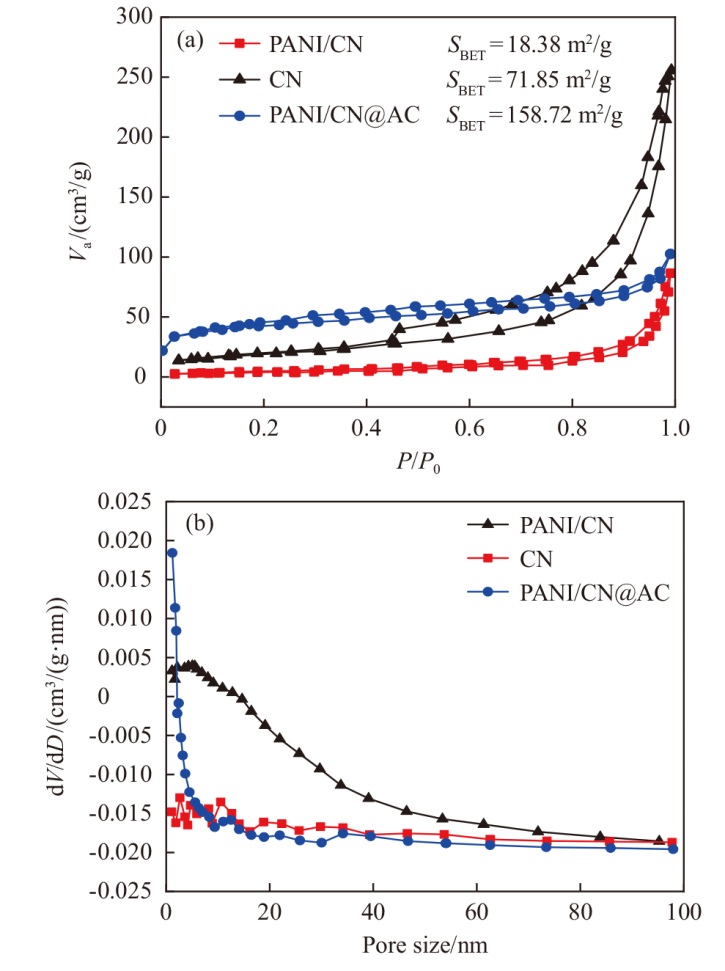
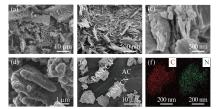
Fig.4
SEM images of AC(a), PANI(b), CN(c), PANI/CN(d), PANI/CN@AC(e)and EDS(f)element mapping images"
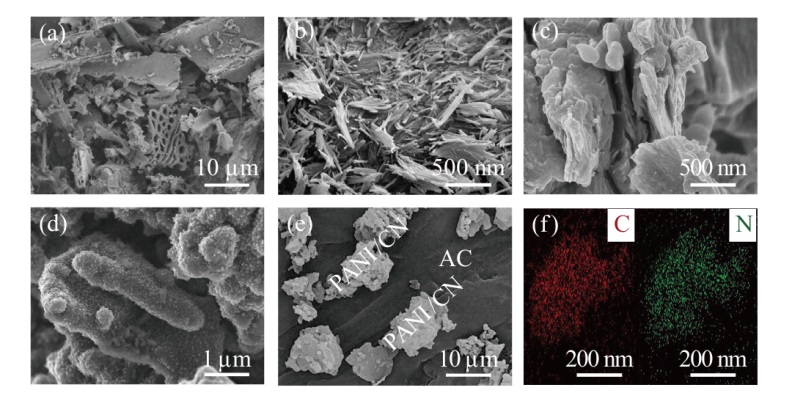
Fig.5
XPS spectra of the CN and PANI/CN composites"
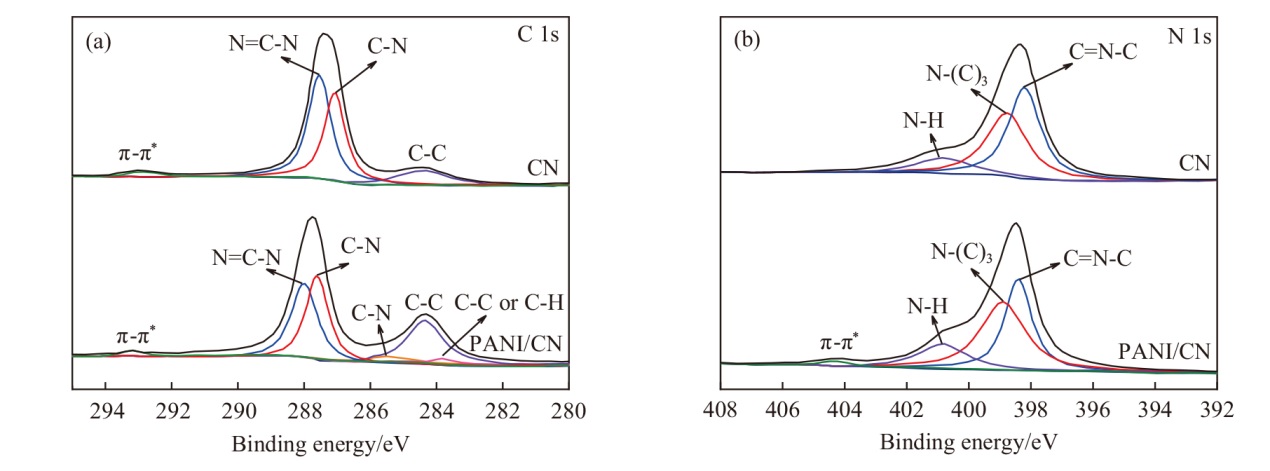
Fig.6
UV-vis DRS patterns of the PANI/CN@AC composites"
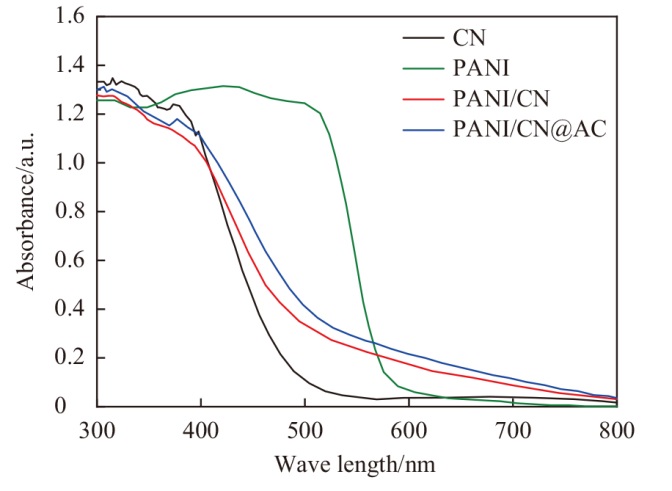
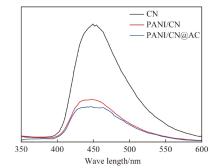
Fig.7
PL spectra of the PANI/CN@AC composites"
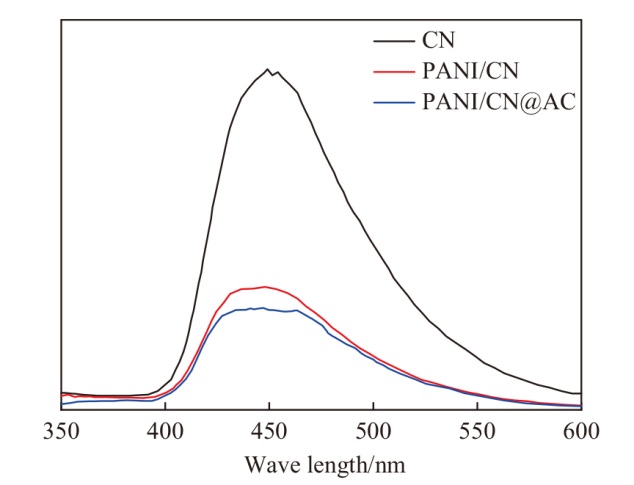
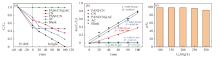
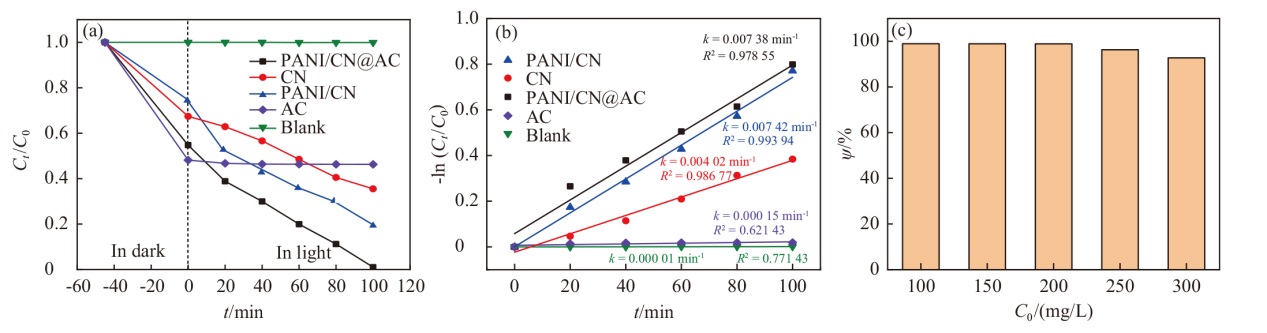
Fig.8
Photocatalytic degradation performance(a)and kinetics(b)of CR by the PANI/CN@AC composites and the effect of initial mass concentration(c)"
Tab.1
Comparison of the photocatalytic performance of different photocatalysts"
| 材料 | 污染物 | 初始浓度 | 光源 | 降解率/% | 来源 |
|---|---|---|---|---|---|
| g-C3N4/ZnO | CR | 50 mg/L | 500 W Xe灯(λ>420 nm) | 82.8 | [ |
| g-C3N4/TiO2/AC | CR | 10 mg/L | 500 W Xe灯 | 60.0 | [ |
| O-Zn3V2O8/BiVO4 | CR | 100 mg/L | 500 W Xe灯 | 95.03 | [ |
| BiOI/Bi2O2CO3 | CR | 50 mg/L | 500 W Xe灯(λ>420 nm) | 78.7 | [ |
| CdS/g-C3N4 | CR | 20 mg/L | 500 W Xe灯(λ>420 nm) | 95.99 | [ |
| GO/BiOI | CR | 8×10⁻⁴ mol/L | LED灯 | 87.5 | [ |
| PANI/CN@AC | CR | 100 mg/L | 500 W Xe灯(λ>420 nm) | 98.97 | 本研究 |
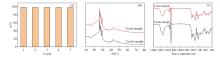
Fig.9
Degradation efficiency(a)of CR after 5 cycles of the PANI/CN@AC composites and the XRD(b)and FTIR(c)spectra before and after the cycles"
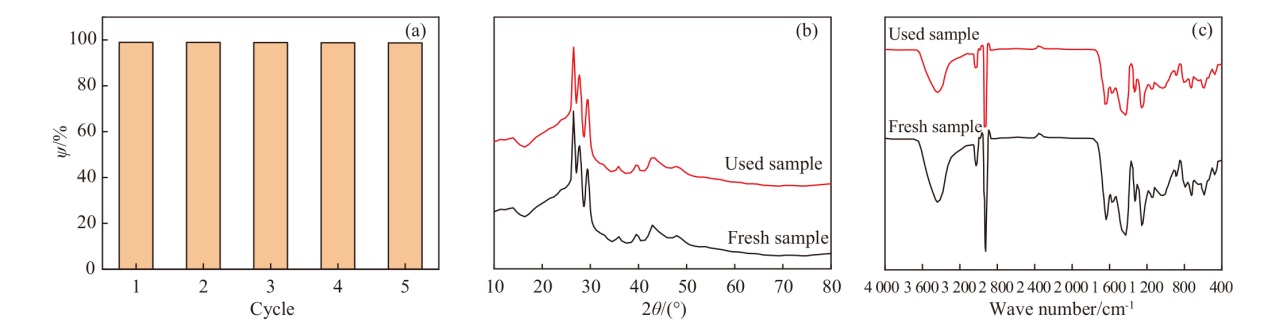
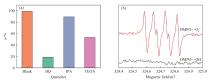
Fig.10
Active species trapping results(a)and DMPO spin-trapping ·O2- and ·OH EPR spectra(b)"
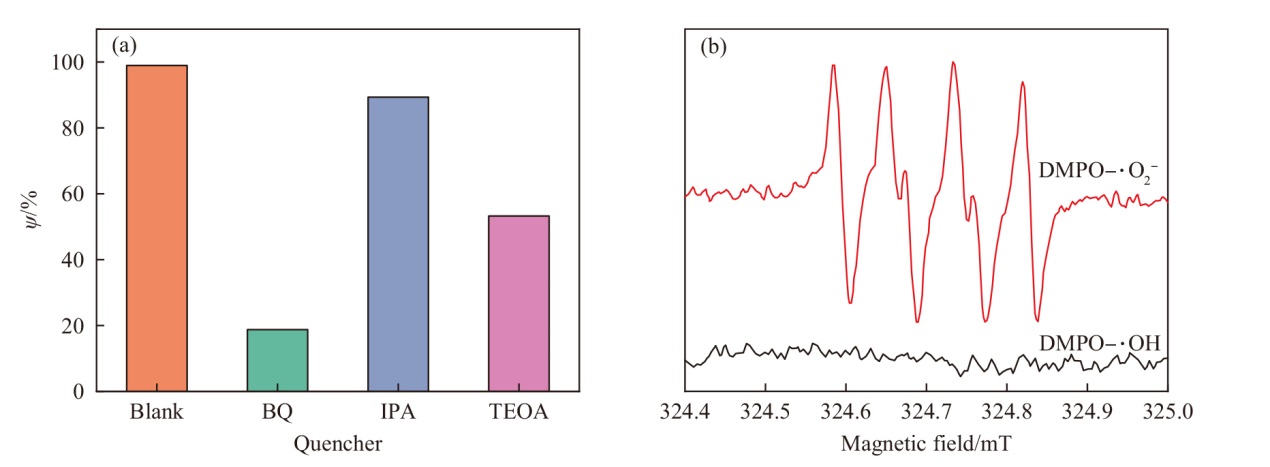
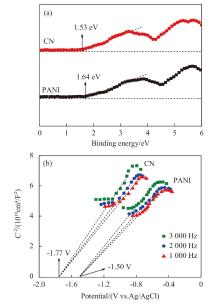
Fig.11
VB-XPS curves(a)and Mott-Schottky curves(b)of CN and PANI"
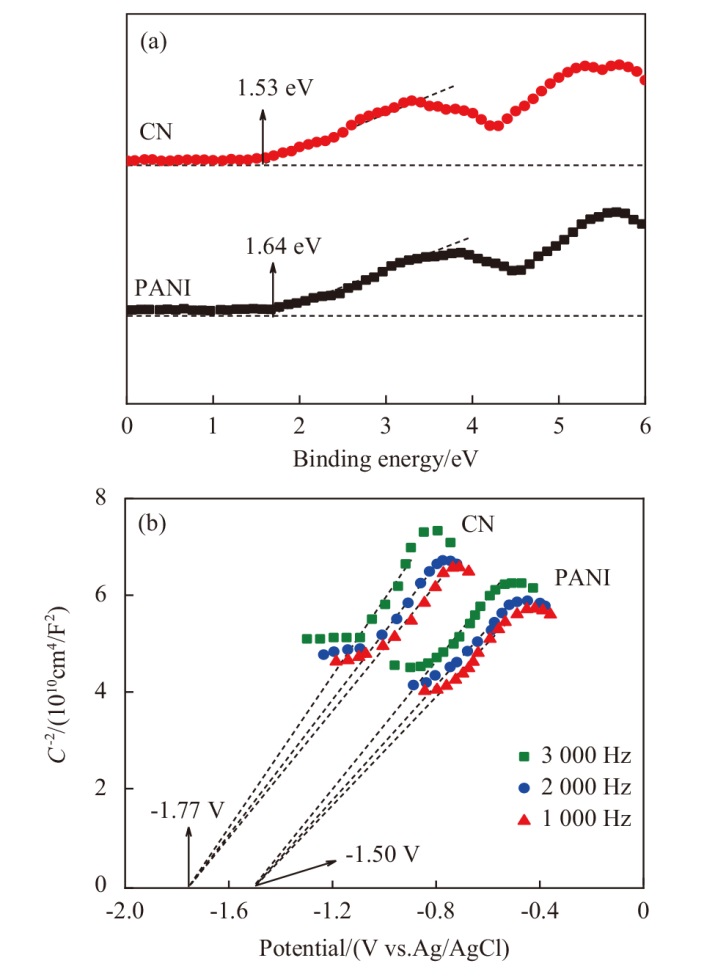
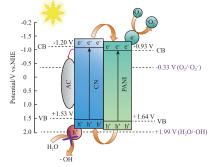
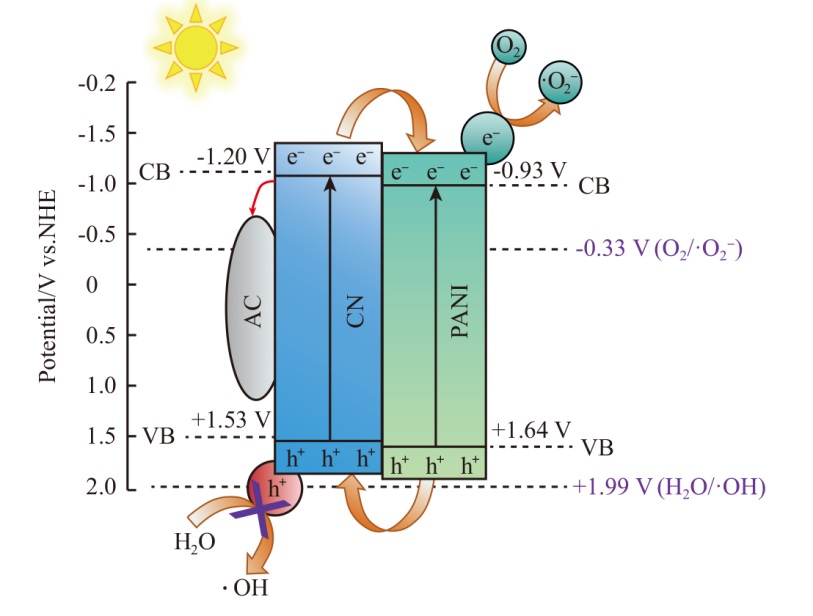
Fig.12
Charge transfer mechanism of the PANI/CN@AC composites"
| [1] |
Mao J E, Chen H Y, Xu X Y, et al. Assessing greenhouse gas emissions from the printing and dyeing wastewater treatment and reuse system: Potential pathways towards carbon neutrality[J]. The Science of the Total Environment, 2024, 927: 172301.
doi: 10.1016/j.scitotenv.2024.172301 |
| [2] |
Zhang P, Sun Y, Wang X, et al. Selective decontamination of textile thiazine dyes by sulfite promotion: Reaction kinetics and activation mechanism[J]. Separation and Purification Technology, 2024, 346: 127552.
doi: 10.1016/j.seppur.2024.127552 |
| [3] |
Lu J, Lv X Y, Chen Q Y. Electrolyte reactivity on electrode surfaces for active species formation and Reactive Red X-3B degradation in electrochemical treatment of dyeing wastewater[J]. Journal of Environmental Management, 2025, 375: 124197.
doi: 10.1016/j.jenvman.2025.124197 |
| [4] | 朱砚, 李薇, 邱小燕. CdS/g-C3N4复合材料的制备及对刚果红的光催化降解[J]. 日用化学工业(中英文), 2025, 55(5): 573-580. |
| [5] |
Wang S X, He J J, Liu E B, et al. In situ growth of ZnNiAl-LDHs on floral ZnO with excellent cycling performance for high concentration Congo Red by synergetic adsorption photocatalysis mechanism[J]. Colloids and Surfaces A: Physicochemical and Engineering Aspects, 2025, 722: 137281.
doi: 10.1016/j.colsurfa.2025.137281 |
| [6] | 李春庚, 甄新, 李亚丽, 等. 印染废水染料降解技术研究进展[J]. 应用化工, 2022, 51(5): 1439-1444. |
| [7] | Liu S L, Bu Y F, Hong W W, et al. Preparation of ZnO/g-C3N4 composite photocatalyst and its degradation of Rhodamine B[J]. China Dyeing & Finishing, 2022, 48(3): 18-20. |
| [8] |
Liao W N, Yang Z Q, Wang Y, et al. Novel Z-scheme Nb2O5/C3N5 photocatalyst for boosted degradation of tetracycline antibiotics by visible light-assisted activation of persulfate system[J]. Chemical Engineering Journal, 2023, 478: 147346.
doi: 10.1016/j.cej.2023.147346 |
| [9] |
Wang J, Chen C C, Zhao Z H, et al. Construction of N-doped g-C3N4/NH2-MIL-125 (Ti) S-scheme heterojunction for enhanced photocatalytic degradation of organic pollutants: DFT calculation and mechanism study[J]. Journal of Alloys and Compounds, 2022, 922 : 166288.
doi: 10.1016/j.jallcom.2022.166288 |
| [10] |
Bi K J, Wang M, Li H Y. Synthesis of S scheme 2D/2D g-C3N5/g-C3N4 heterojunction for photocatalytic degradation tetracycline[J]. Surfaces and Interfaces, 2024, 50: 104487.
doi: 10.1016/j.surfin.2024.104487 |
| [11] |
Paria H E, Aziz H Y. A review on impressive Z and S-scheme photocatalysts composed of g-C3N4 for detoxification of antibiotics[J]. FlatChem, 2024, 43: 100597.
doi: 10.1016/j.flatc.2023.100597 |
| [12] |
Song M G, Li M C, Li H F, et al. Novel through-holes g-C3N4/BiOBr S-scheme heterojunction: Charge relocation mechanism and DFT insights[J]. Surfaces and Interfaces, 2023, 41: 103227.
doi: 10.1016/j.surfin.2023.103227 |
| [13] |
Zhang Y F, Liu S L, Wang J Y, et al. Based on the internal electric field S scheme mesoporous g-C3N4 nanosheets supported 2H MoS2 heterostructures for HCHO degradation of interior decoration and organic dyes degradation[J]. Inorganic Chemistry Communications, 2024, 169: 113047.
doi: 10.1016/j.inoche.2024.113047 |
| [14] | Zhang S X, Rong X S, Sun T, et al. Construct vacancy nitrogen controllable Z-scheme 3D porous g-C3N4/CoFe2O4 composite material for high-efficient photofixation nitrogen[J]. Diamond & Related Materials, 2023, 138: 110167. |
| [15] | 张霞, 白羽石, 常熙, 等. BiOCl/聚苯胺的制备及其光催化降解罗丹明B性能[J]. 无机化学学报, 2025, 41(5): 913-922. |
| [16] |
Tarek M, Atta M, Shukor M Z, et al. Highly effective B@g-C3N4/polyaniline nanoblend for photoelectrocatalytic reduction of CO2 to methanol[J]. Chemical Engineering Technology, 2023, 46: 2661-2669.
doi: 10.1002/ceat.v46.12 |
| [17] |
Alfawaz A, Alsalme A, Soltan A, et al. Polyaniline/g-C3N4 hybrid nanoparticles: Fabrication, characterization and boosting bisphenol destruction and hydrogen gas evolution through direct S-scheme aspects[J]. Journal of Physics and Chemistry of Solids, 2022, 168: 110773.
doi: 10.1016/j.jpcs.2022.110773 |
| [18] |
Yan T, Tao R, Wang Y X, et al. Highly dispersed g-C3N4 on one-dimensional W18O49/carbon nanofibers for constructing well-connected S-scheme heterojunctions with synchronous H2 evolution and pollutant degradation performance[J]. Surfaces and Interfaces, 2024, 54: 105122.
doi: 10.1016/j.surfin.2024.105122 |
| [19] |
Yin H F, Yuan C Y, Lv H J, et al. Fabrication of 2D/1D Bi2WO6/C3N5 heterojunctions for efficient antibiotics removal[J]. Powder Technology, 2023, 413: 118083.
doi: 10.1016/j.powtec.2022.118083 |
| [20] |
Shi J H, Chen T, Guo C L, et al. The bifunctional composites of AC restrain the stack of g-C3N4 with the excellent adsorption-photocatalytic performance for the removal of RhB[J]. Colloids and Surfaces A: Physicochemical and Engineering Aspects, 2019, 580: 123701.
doi: 10.1016/j.colsurfa.2019.123701 |
| [21] | Feng P, Cui K P, Hai Z B, et al. Facile synthesis of activated carbon loaded g-C3N4 composite with enhanced photocatalytic performance under visible light[J]. Diamond & Related Materials, 2023, 136: 109921. |
| [22] |
Abdul A A R, Norbert M, Funda A. Removal of insecticide carbofuran from aqueous solutions by activated carbon/polyaniline composites[J]. Desalination and Water Treatment, 2025, 323: 101381.
doi: 10.1016/j.dwt.2025.101381 |
| [23] | 温霖洪, 石宇, 刘涛, 等. 层次孔结构沥青基活性炭纤维构筑及其乙醇吸附性能研究[J]. 炭素技术, 2025, 44(3): 38-44. |
| [24] |
Li Z S, Chen Q Y, Lin Q C, et al. Three-dimensional P-doped porous g-C3N4 nanosheets as an efficient metal-free photocatalyst for visible-light photocatalytic degradation of Rhodamine B model pollutant[J]. Journal of the Taiwan Institute of Chemical Engineers, 2020, 114: 249-262.
doi: 10.1016/j.jtice.2020.09.019 |
| [25] |
王思佳, 岳贤田, 杨继亮. Ag3PO4@WO3/AC复合物的制备及其光催化降解罗丹明B的研究[J]. 化工新型材料, 2024, 52(11): 208-213.
doi: 10.19817/j.cnki.issn1006-3536.2024.12.044 |
| [26] | 卜义夫, 刘思乐, 宋丹丹, 等. 废旧涤纶基活性炭负载g-C3N4光催化剂的制备及其对亚甲基蓝的光催化降解[J]. 毛纺科技, 2023, 51(2): 40-48. |
| [27] |
Rajendran R, Rojviroon O, Arumugam P, et al. Synergistic effects of activated Carbon-Supported TiO2/ZnO nanocomposites for photocatalytic dye degradation and antibacterial activity[J]. Journal of Molecular Liquids, 2025, 433: 127792.
doi: 10.1016/j.molliq.2025.127792 |
| [28] |
Ilakiya S, Soundhariya S, Pachaiappan R, et al. Development and investigation of sustainable g-C3N4/ZnO heterostructure catalyst to breakdown the chromophore group of CR dye through functional group interconnection[J]. Journal of Molecular Structure, 2025, 1345: 143000.
doi: 10.1016/j.molstruc.2025.143000 |
| [29] |
Patil A, Remya N, Singhal N, et al. Walnut shell biochar supported TiO2-g-C3N4 heterojunction photocatalyst for solar photocatalytic degradation of congo red[J]. Biomass Conversion and Biorefinery, 2023, 13: 9537-9547.
doi: 10.1007/s13399-023-04375-7 |
| [30] |
Mousumi N, Riu R W, Bidhu B B, et al. Oxygen vacancy mediated Zn3V2O8/BiVO4 type-I heterojunction: An efficient photocatalyst for the degradation of organic dye[J]. Colloids and Surfaces A: Physicochemical and Engineering Aspects, 2025, 719: 137057.
doi: 10.1016/j.colsurfa.2025.137057 |
| [31] |
Zhang X P, Zhong Y Y, Xiao T, et al. Construction of flower-like BiOI/Bi2O2CO3p-n heterojunction for photocatalytic degradation of Congo Red dye[J]. Journal of Molecular Structure, 2025, 1336: 142076.
doi: 10.1016/j.molstruc.2025.142076 |
| [32] |
全玉莲, 梁雅洁, 程颖, 等. GO/BiOI复合材料的制备及光催化降解刚果红研究[J]. 功能材料, 2025, 56(4): 4221-4227.
doi: 10.3969/j.issn.1001-9731.2025.04.028 |
| [33] | 胡怀生, 张鹏会. S型TiO2/C3N5异质结光催化剂的制备及降解亚甲基蓝性能[J]. 日用化学工业(中英文), 2025, 55(8): 980-988. |
| [34] |
Feidias B, Ilaeira R, Ioannis K. g-C3N4 based Z-scheme photocatalysts for environmental pollutants removal[J]. Current Opinion in Green and Sustainable Chemistry, 2023, 40: 100749.
doi: 10.1016/j.cogsc.2022.100749 |
| [35] |
马润东, 郭雄, 施凯旋, 等. MoS2/g-C3N4 S型异质结的构建及光催化性能研究[J]. 无机材料学报, 2023, 38(10): 1176-1182.
doi: 10.15541/jim20230096 |
| [36] |
Pandeya S, Ding R, Ma Y F, et al. Self-standing CdS/TiO2 Janus nanofiberous membrane: COD removal, antibacterial activity and photocatalytic degradation of organic pollutants[J]. Journal of Environmental Chemical Engineering, 2024, 12: 112521.
doi: 10.1016/j.jece.2024.112521 |
|
