Welcome to China Surfactant Detergent & Cosmetics, Today is


China Surfactant Detergent & Cosmetics ›› 2026, Vol. 56 ›› Issue (8): 1062-1082.doi: 10.3969/j.issn.2097-2806.2026.08.011
• Reviews • Previous Articles Next Articles
Kang Liu1,Jiuzheng Yu2,Guopeng Niu3,Chunsheng Wu2,Xiaochun Liu2,Yongli Yan1,*( )
)
Received:2025-12-12
Revised:2026-07-30
Online:2026-08-22
Published:2026-09-02
Contact:
*E-mail: CLC Number:
Kang Liu, Jiuzheng Yu, Guopeng Niu, Chunsheng Wu, Xiaochun Liu, Yongli Yan. Blockage mechanisms and de-blockage technologies for the Lower Paleozoic carbonate gas reservoirs in the Ordos Basin[J].China Surfactant Detergent & Cosmetics, 2026, 56(8): 1062-1082.
Tab.1
Statistics of rock fabrics and lithologic types in the Ma-5 member, Jingbian field"
| Stratum | Micro-crystalline dolostone/% | Fine-crystalline dolostone/% | Calcareous mudstone/% | Dolomitic mudstone/% | Micro-crystalline limestone/% |
|---|---|---|---|---|---|
| Ma51+2 | 49.29 | 30.99 | 11.27 | 5.63 | 2.82 |
| Ma53+4 | 87.73 | 8.77 | 1.75 | 1.75 | 0 |
| Ma5 | 66.41 | 21.09 | 7.03 | 3.91 | 1.56 |
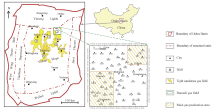
Fig.1
Tectonic division of the Ordos Basin and locations of the Jingbian, Sulige, and Yulin gas fields[12]"
Tab.2
Pore-structure statistics for the Ma-5 member, Jingbian field"
| Sub-member | Inter-crystalline pores | Dissolution pores | Inter-crystalline- dissolution pores | Micro-fractures | Gypsum-mouldic pores | Intragranular pores | Mean areal porosity |
|---|---|---|---|---|---|---|---|
| Ma-51+2 | 39.06 | 27.1 | 19.71 | 7.26 | 5.47 | 1.4 | 5.7 |
| Ma-53+4 | 72.55 | 11.61 | 11.92 | 3.03 | 0.89 | 0.0 | 5.2 |
| Ma-5 | 33.48 | 29.68 | 21.01 | 7.97 | 6.23 | 1.63 | 5.9 |
| Mean pore diameter | 7.2 | 46.8 | 9.1 | 10.6 | 65 | 3.0 |

Fig.2
Epoxy-impregnated cast thin sections of reservoir rocks from the Ma-51+2 sub-member, Jingbian field"

Tab.3
Equivalent pore-throat distribution statistics for core from well I, Yulin field"
| Equivalent pore-throat diameter/μm | Pore-volume proportions in core samples from well I, Yulin field/% | |||
|---|---|---|---|---|
| 1# | 2# | 3# | 4# | |
| 0-40 | 6.22 | 9.50 | 66.20 | 89.69 |
| 40-80 | 29.45 | 39.01 | 33.80 | 7.31 |
| 80-120 | 37.04 | 33.09 | 0 | 0 |
| 120-180 | 27.29 | 18.41 | 0 | 0 |
Tab.4
Petrophysical parameters of different reservoir types in the Ma-51+2 sub-member, southern Jingbian field"
| Reservoir class | Porosity/% | Permeability/×10-3 μm2 | ||||
|---|---|---|---|---|---|---|
| Max | Min | Mean | Max | Min | Mean | |
| Conventional | 8.97 | 0.23 | 2.61 | 3.442 | 0.004 | 0.184 |
| Fracture-dominated | 9.98 | 0.65 | 3.41 | 1 343.41 | 0.130 | 47.989 |
| Dissolution | 12.47 | 6.4 | 8.03 | 36.142 | 1.062 | 11.001 |
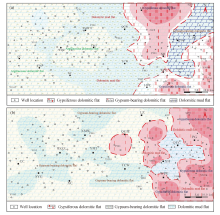
Fig.3
Plan-view sedimentary microfacies distribution in the $\mathrm{Ma}-5_{1}^{2}(\mathrm{a})$ and $ \mathrm{Ma}-5_{1}^{3}(\mathrm{~b})$sub-layers, southern Jingbian Field"

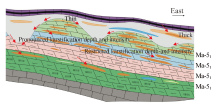
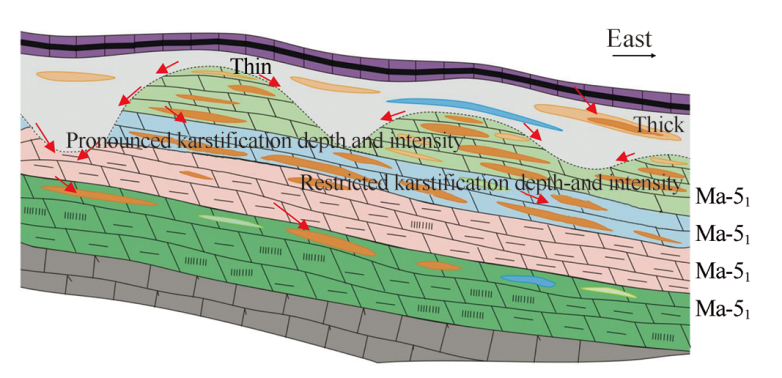
Fig.4
Ordovician (Lower Paleozoic) gas accumulation model, Jingbian field"
Tab.5
XRD analysis of blockage samples 1 and 2 from the southern Jingbian field"
| Blockage sample | Ingredient composition/% | |||||||||
|---|---|---|---|---|---|---|---|---|---|---|
| Quartz | Halite | Andesine | Calcite | Dolomite | Barite | Siderite | Magnetite | Pyrite | Clay minerals | |
| Sample 1 | 0 | 0 | 0 | 98.3 | 0 | 1.7 | 0 | 0 | 0 | 0 |
| Sample 2 | 4.9 | 87.0 | 0 | 0 | 0 | 0 | 0 | 8.1 | 0 | 0 |
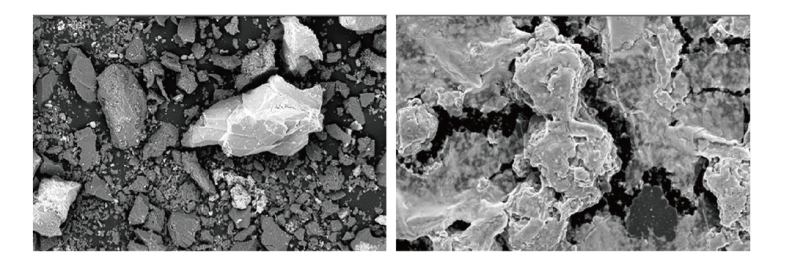
Fig.5
SEM morphology of blockage deposits from the southern Jingbian field"
Tab.6
Elemental composition of blockage deposits from the well G50-6, Jingbian field"
| Parameter | Main component content/% | Fe3+/ % | Ca2+/ % | Mg2+/ % | SO42-/ % |
|---|---|---|---|---|---|
| Moisture | 0.37 | — | — | — | — |
| Oil | 0.84 | — | — | — | — |
| Organic matter (550 ℃) | 22.99 | — | — | — | — |
| Carbonate (950 ℃) | 3.44 | — | — | — | — |
| Acid-insoluble fraction | 15.22 | — | — | — | — |
| Acid-soluble fraction | 57.14 | 15.84 | 1.57 | 0.07 | 2.06 |
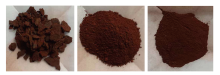
Fig.6
Sequential states of blockage material from well G50-6: as-collected, after water removal, and after oil removal"
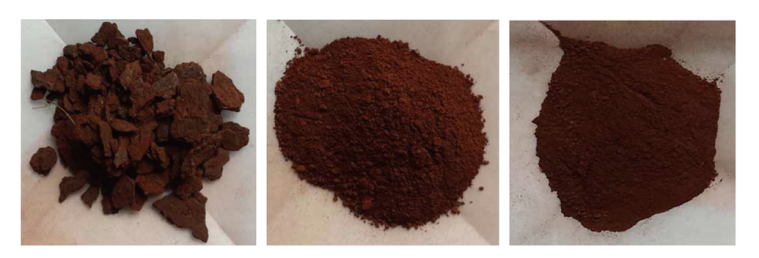
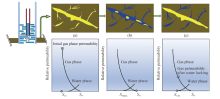
Fig.7
Schematic of water-blocking damage: (a) original connate-water state of the gas reservoir; (b) after invading-fluid incursion; (c) after reservoir-water encroachment, with displacement to bound (irreducible) water"
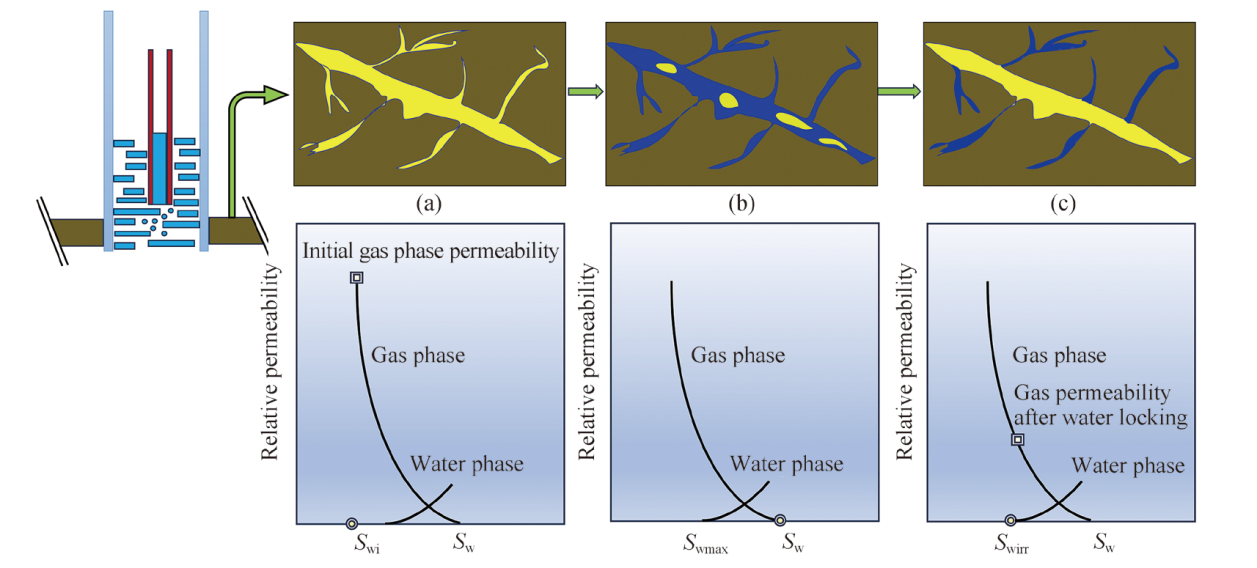
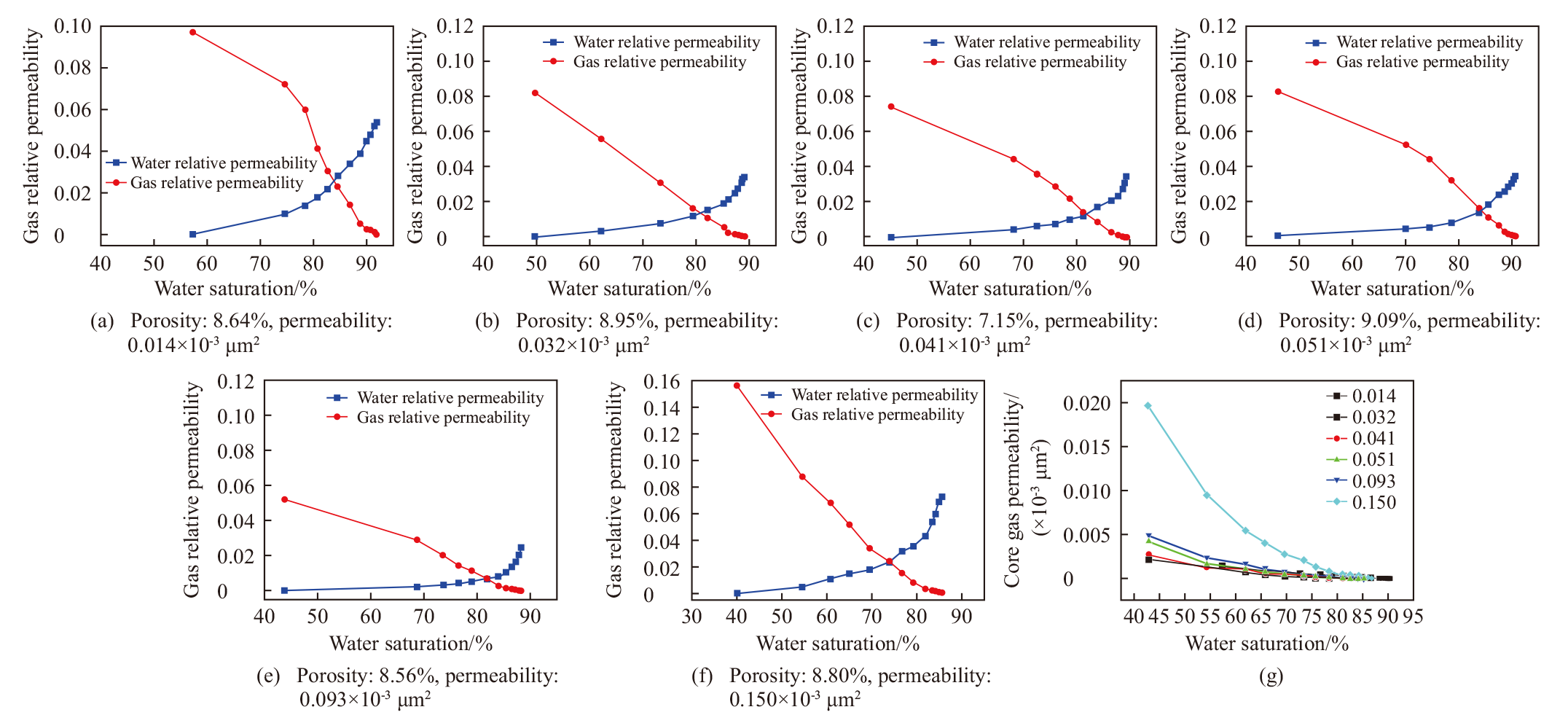
Fig.8
High-temperature, high-pressure relative-permeability curves for cores with permeabilities of 0.014×10⁻³ μm2 (a), 0.032×10⁻³ μm2 (b), 0.041×10⁻³ μm2 (c), 0.051×10⁻³ μm2 (d), 0.093×10⁻³ μm2 (e), and 0.150×10⁻³ μm2 (f) ;(g) relationship between core gas-phase permeability and water saturation[33]"
Tab.7
Characteristics and genesis of scaling in different gas fields of the Changqing area [35-38]"
| Gas field | Average salinity/ (mg/L) | Scale composition | Average content of acidic gas medium | Mechanisms of scale formation | |
|---|---|---|---|---|---|
| H2S | CO2 | ||||
| Jingbian | 40 000 | FeS and FeCO3 corrosion products; CaCO3 and related scale minerals; residual corrosion-inhibitor films | 1 000 mg/m3 | 5.0% | Accumulation of CO2/H2S corrosion precipitates on the tubing wall, accompanied by organic deposits |
| Yulin | 20 000 | Crystalline CaCO3 and MgCO3 salts with minor FeCO3 corrosion scale and trace hydrocarbon residues | — | 2.5% | Scaling ions in formation water-particularly Ca2+-become thermodynamically unstable under temperature and pressure fluctuation, precipitating as scale |
| Sulige | 80 000 | Scale dominated by BaSO4, SrSO4 with minor CaCO3 and CaSO4, intergrown with FeS and FeCO3 corrosion products | 1 500 mg/m3 | 6.0% | CO2/H2S corrosion precipitates inside the tubing; destabilization of scaling ions in formation water due to T-P variations; incompatibility among waters from different stratigraphic horizons leading to enhanced scaling propensity |
Tab.8
Analysis of corrosion-scale formation and blockage mechanisms in gas wells [39-41]"
| Scaling cause | Scale-blockage mechanism | Gas fields affected by this scaling |
|---|---|---|
| Salt scaling triggered by elevated formation-water salinity | Thermodynamic instability and chemical incompatibility render inorganic salts in the reservoir fluid supersaturated; once their solubility is exceeded, Ca2+, Mg2+, and minor Ba2+/Sr2+ readily combine with CO32-/HCO3- and SO42- anions to precipitate near the wellbore. The higher the salinity, the more severe the scaling | Jingbian - Yulin |
| Scaling driven by acid-gas (CO2, H2S) corrosion | Corrosive gases dissolved in the produced fluid react with Fe2+ in formation water to form insoluble FeS and FeCO3; HCO3- can likewise react with Fe to produce FeCO3 corrosion scale | Jingbian - Sulige |
| Blockage caused by residual corrosion inhibitors | At elevated temperatures, the volatile fractions of corrosion inhibitors vaporize, leaving high-boiling residues that undergo amidation. These highly viscous, water-insoluble residues readily agglomerate, adhering to tubing walls or accumulating at the well bottom | Jingbian - Sulige |
| Blockage caused by degraded foaming agents | During prolonged foamer injection, high-temperature/pressure conditions promote reactions between the foamer and hydrophilic species (Ca2+, Mg2+) in formation water, generating water-insoluble calcium and magnesium soaps that precipitate and obstruct flow paths | Jingbian - Yulin - Sulige |
Tab.9
Unblocking measures and operational parameters for a single well in the Ma-5 sub-member"
| Well | Producing interval | Location of obstruction | Pumping rate/ (m3/min) | Unblocking fluid volume/m3 | Operation duration/days | Incremental gas output/m3 |
|---|---|---|---|---|---|---|
| G31-022C4 | Ma-5 | Matrix | 1.2 | 40 | 1 | 1.5 |
| G63-9 | Ma-5 | Matrix + fractures | 1.5 | 45 | 1.5 | 1.6 |
| Sunan 25-971 | Ma-5 | Matrix + fractures | 1.4 | 40 | 2 | 1.9 |
| G37-021C4 | Ma-5 | Matrix + fractures | 1.6 | 38 | 1 | 1.8 |
Fig.9
Process flow diagram for deep-reservoir de-blockage technology"
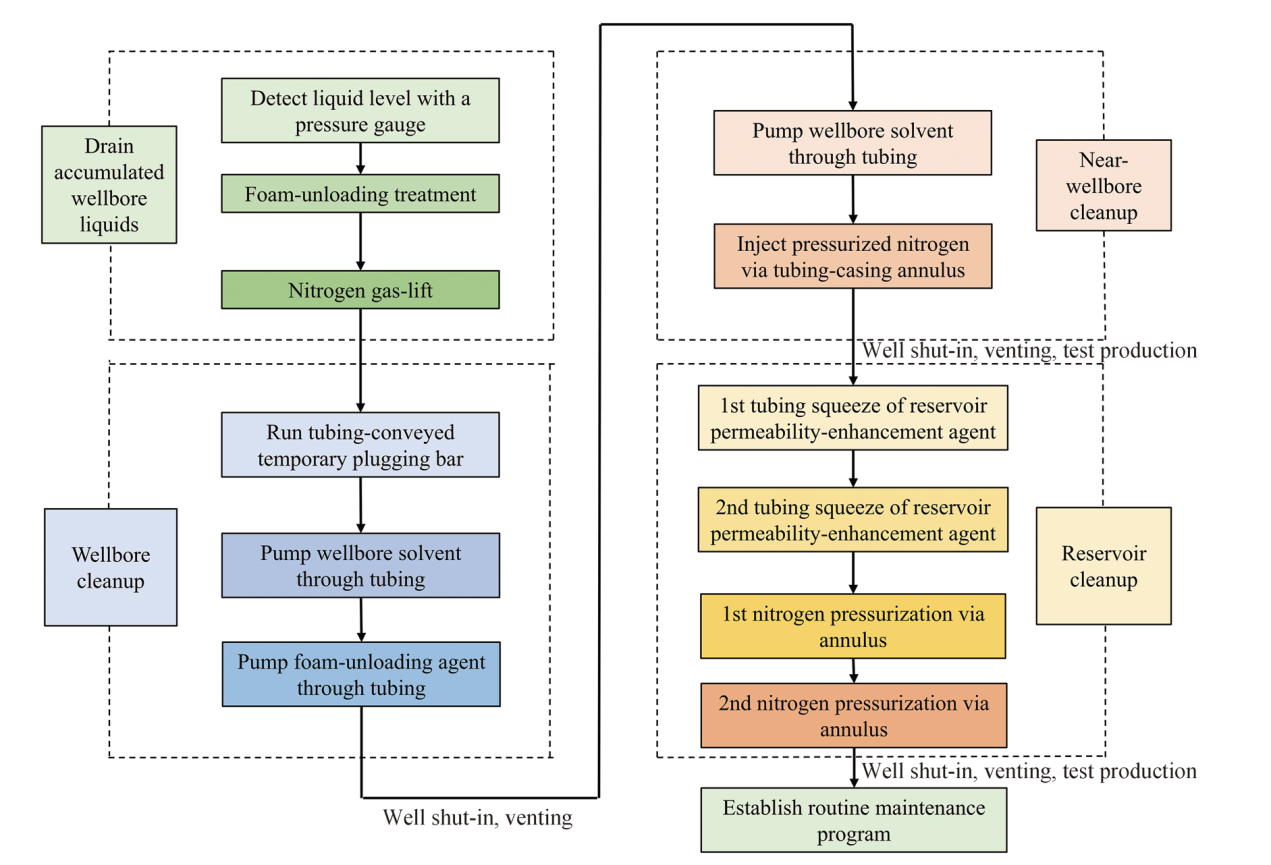
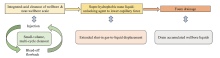
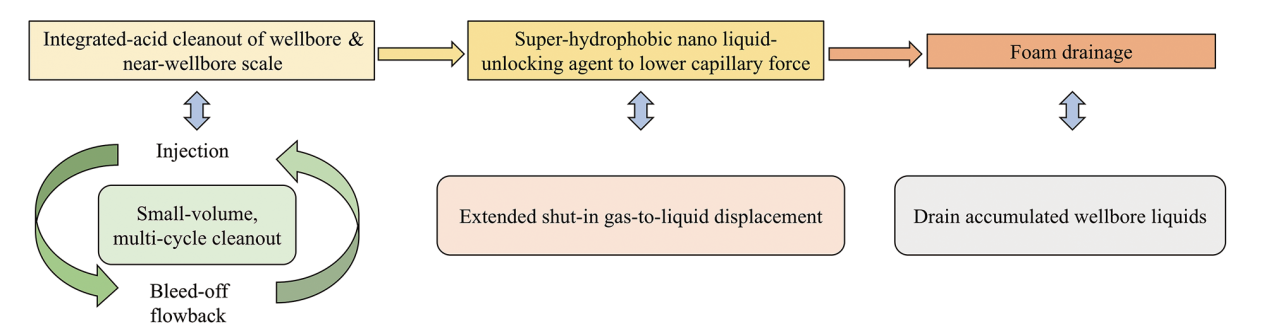
Fig.10
Process flow diagram for low dosage multi cycle de-blockage"
Tab.10
Dissolution efficiency of de-blockage formulations at different blend ratios in the Jingbian field"
| Sample | Reagent dosage/g | Weight before reaction/g | Weight after reaction/g | Material dissolved/g | Dissolution efficiency/% |
|---|---|---|---|---|---|
| XM-5+WPLJD-01 | 60 | 20 | 1.66 | 18.34 | 91.7 |
| XM-5 | 60 | 20 | 2.63 | 17.37 | 86.85 |
| WPLJD-01 | 60 | 20 | 5.68 | 14.32 | 71.6 |
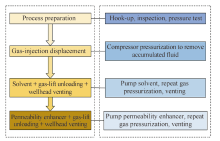
Fig.11
Process flow diagram for the compressor-assisted gas-lift composite de-blockage technology"
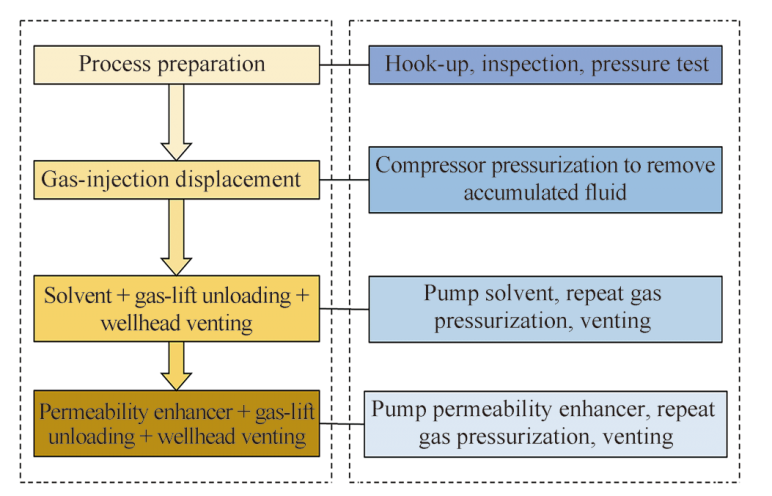
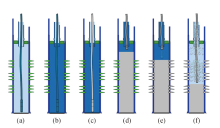
Fig.12
Operational flow diagram for coiled-tubing sand-jet washing:(a) run in coiled tubing;(b) inject low-density wash fluid;(c) inject liquid nitrogen;(d) rotary jetting with the washing head;(e) foamer-assisted performance enhancement;(f) sand-laden flowback"
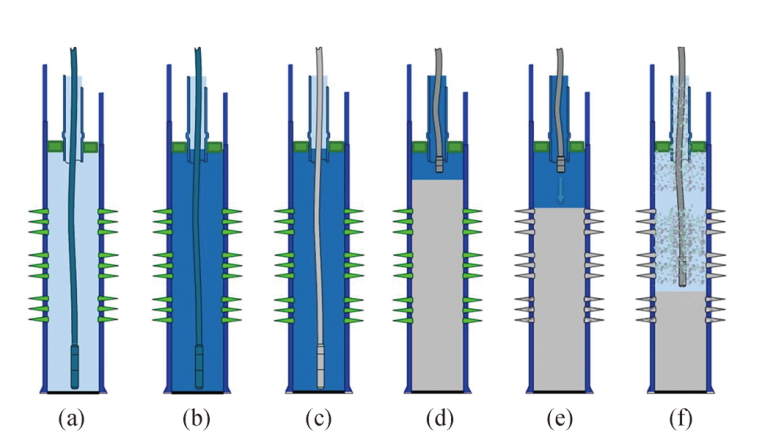
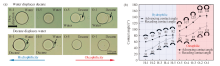
Fig.13
Microfluidic demonstration of tailored wetting order and contact-angle tuning on modified channel surfaces[32]"
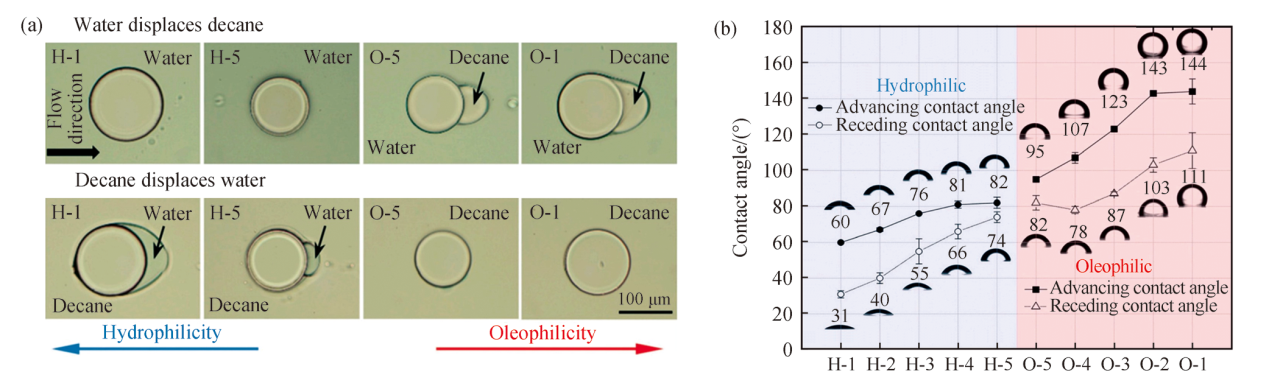
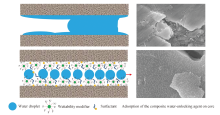
Fig.14
Mechanistic diagram of water-lock removal by the composite water-lock breaker"
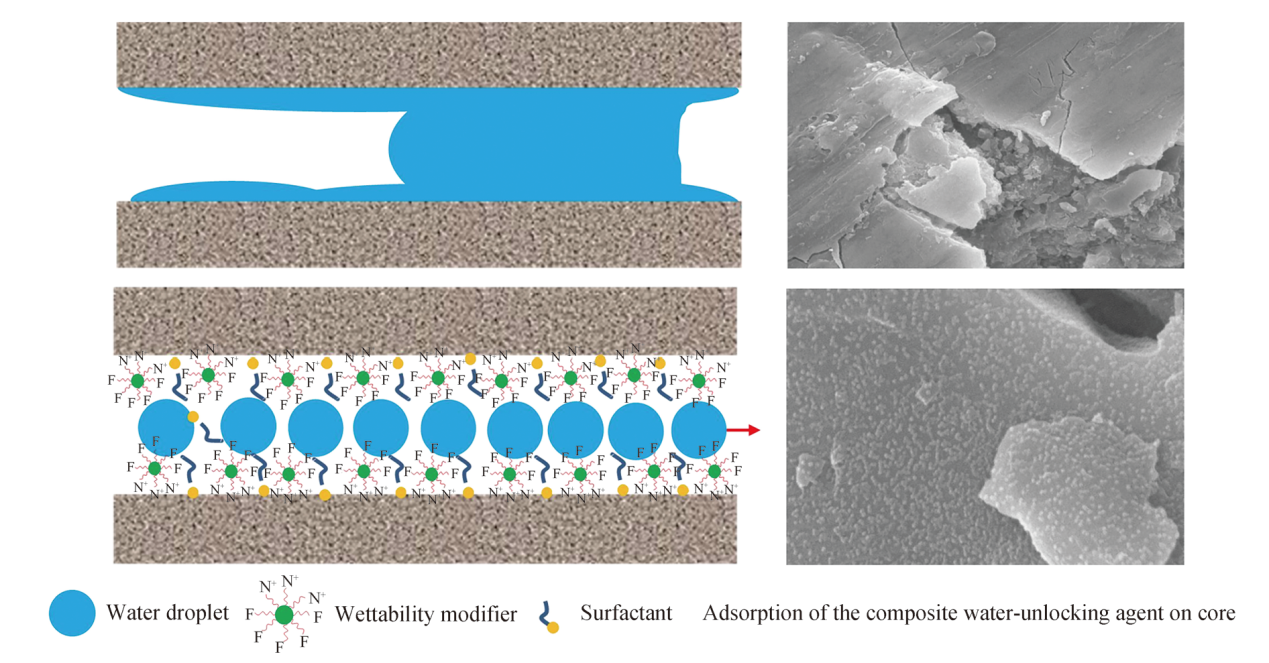
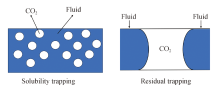
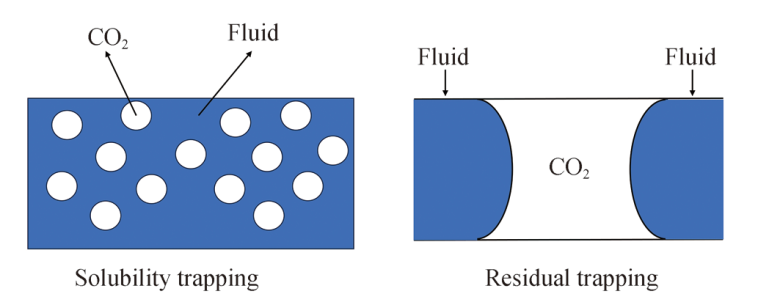
Fig.15
Mechanistic diagram of CO2-foam assisted de-blockage"
| [1] |
Xia L, Cao J, Wang M, et al. A review of carbonates as hydrocarbon source rocks: basic geochemistry and oil-gas generation[J]. Petroleum Science, 2019, 16(4): 713-728.
doi: 10.1007/s12182-019-0343-5 |
| [2] | Qiu W, Zhang D, Chen X, et al. The genesis and significance of pyrite in the Ordovician Majiagou Formation in the central and eastern Ordos Basin[J]. Petroleum Geoscience, 2025, 31(1): petgeo2024-049. |
| [3] |
Shi B, Wang Z, Zhang Z, et al. A state of the art review on the wellbore blockage of condensate gas wells: towards understanding the blockage type, mechanism, and treatment[J]. Lithosphere, 2022, 2022: 8076631.
doi: 10.2113/2022/8076631 |
| [4] |
Sun H, Ouyang W, Zhang H, et al. Advanced production decline analysis of tight gas wells with variable fracture conductivity[J]. Petroleum Exploration and Development, 2018, 45(3): 455-463.
doi: 10.11698/PED.2018.03.10 |
| [5] |
Løge I A, Anabaraonye B U, Fosbøl P L. Growth mechanisms of composite fouling: the impact of substrates on detachment processes[J]. Chemical Engineering Journal, 2022, 446: 137008.
doi: 10.1016/j.cej.2022.137008 |
| [6] |
Esteves B F, Druhan J L, Jew A D. Controls on barite (BaSO4) precipitation in unconventional reservoirs[J]. Environmental Science & Technology, 2023, 57(34): 12869-12878.
doi: 10.1021/acs.est.3c02923 |
| [7] |
Zidane A, Firoozabadi A. Higher-order compositional simulation of asphaltene damage and removal in the wellbore by the CPA-EOS[J]. Fuel, 2022, 307: 121776.
doi: 10.1016/j.fuel.2021.121776 |
| [8] | Yan H, Jia A, Guo J, et al. Geological characteristics and development techniques for carbonate gas reservoir with weathering crust formation in Ordos Basin, China[J]. Energies, 2022, 15(9): 3461. |
| [9] |
Lan H, Guo M, Fu M, et al. The effect of meteoric water on the very fine crystalline dolomite reservoir in the shallow burial zone: a case study of the Ma55 submember of the Majiagou Formation in Ordos Basin[J]. Frontiers in Energy Research, 2023, 10: 1089171.
doi: 10.3389/fenrg.2022.1089171 |
| [10] |
Xu X, Feng Q, Wei Q, et al. Sedimentary characteristics and reservoir origin of the mound and shoal microfacies of the Ma51+2 submember of the Majiagou Formation in the Jingbian area[J]. Journal of Petroleum Science and Engineering, 2021, 196: 108041.
doi: 10.1016/j.petrol.2020.108041 |
| [11] |
Xiong Y, Tan X, Dong G, et al. Diagenetic differentiation in the Ordovician Majiagou Formation, Ordos Basin, China: Facies, geochemical and reservoir heterogeneity constraints[J]. Journal of Petroleum Science and Engineering, 2020, 191: 107179.
doi: 10.1016/j.petrol.2020.107179 |
| [12] |
Song F, Kong Q, Su N, et al. Formation mechanism of the upper Paleozoic tight sandstone gas reservoir in the Daniudi gas field, Ordos Basin, China[J]. Frontiers in Earth Science, 2024, 12: 1355494.
doi: 10.3389/feart.2024.1355494 |
| [13] |
Nie R, Zhou J, Chen Z, et al. Pore structure characterization of tight sandstones via a novel integrated method: a case study of the Sulige gas field, Ordos Basin (Northern China)[J]. Journal of Asian Earth Sciences, 2021, 213: 104739.
doi: 10.1016/j.jseaes.2021.104739 |
| [14] |
Zhou X, Al-Otaibi F, Kokal S. Relative permeability characteristics and wetting behavior of supercritical CO2 displacing water and remaining oil for carbonate rocks at reservoir conditions[J]. Energy & Fuels, 2019, 33(6): 5464-5475.
doi: 10.1021/acs.energyfuels.9b01053 |
| [15] |
Xiao D, Wang Y, Hou G, et al. Marine carbonate reservoirs formed in evaporite sequences in sedimentary basins: a review and new model of epeiric basin-scale moldic reservoirs[J]. Earth-Science Reviews, 2021, 223: 103860.
doi: 10.1016/j.earscirev.2021.103860 |
| [16] |
Li J, Li J, Li Z, et al. Characteristics and genetic types of the Lower Paleozoic natural gas, Ordos Basin[J]. Marine and Petroleum Geology, 2018, 89: 106-119.
doi: 10.1016/j.marpetgeo.2017.06.046 |
| [17] | Gu N, Zhang J, Jin X, et al. Reservoir characteristics and distribution of the Majiagou Formation in the Fuxian area of Ordos Basin, China[J]. Energy Geoscience, 2025, 6(1): 100358. |
| [18] |
Jiu B, Huang W, Mu N, et al. Types and controlling factors of Ordovician paleokarst carbonate reservoirs in the southeastern Ordos Basin, China[J]. Journal of Petroleum Science and Engineering, 2021, 198: 108162.
doi: 10.1016/j.petrol.2020.108162 |
| [19] |
Tian K, Qiao X, Zhou J, et al. Pore structure characteristics and influencing factors of dolomite reservoirs: a case study of the Lower Ordovician Majiagou Formation, Ordos Basin, China[J]. Frontiers in Earth Science, 2024, 12: 1407967.
doi: 10.3389/feart.2024.1407967 |
| [20] | Hanamertani A S, Mohamed A, Saraji S, et al. In situ investigation of foam-induced flow diversion in oil-wet fractured carbonates using methane and supercritical carbon dioxide[J]. Industrial & Engineering Chemistry Research, 2024, 63(16): 7368-7386. |
| [21] |
Tan Q, You L, Kang Y, et al. Formation damage mechanisms in tight carbonate reservoirs: the typical illustrations in Qaidam Basin and Sichuan Basin, China[J]. Journal of Natural Gas Science and Engineering, 2021, 95: 104193.
doi: 10.1016/j.jngse.2021.104193 |
| [22] |
Wang C, Su Y, Wang W, et al. Water blocking damage evaluation and mitigation method in tight gas reservoirs[J]. Energy & Fuels, 2022, 36(18): 10934-10944.
doi: 10.1021/acs.energyfuels.2c02261 |
| [23] |
Kamal M S, Hussein I A, Mahmoud M, et al. Oilfield scale formation and chemical removal: a review[J]. Journal of Petroleum Science and Engineering, 2018, 171: 127-139.
doi: 10.1016/j.petrol.2018.07.037 |
| [24] |
Al Helal A, Soames A, Iglauer S, et al. Evaluating chemical-scale-inhibitor performance in external magnetic fields using a dynamic scale loop[J]. Journal of Petroleum Science and Engineering, 2019, 179: 1063-1077.
doi: 10.1016/j.petrol.2019.04.093 |
| [25] |
Ahmed M E M, Saad M A, Hussein I A, et al. Pyrite scale removal using green formulations for oil and gas applications: reaction kinetics[J]. Energy & Fuels, 2019, 33(5): 4499-4505.
doi: 10.1021/acs.energyfuels.9b00444 |
| [26] |
De Motte R A, Barker R, Burkle D, et al. The early stages of FeCO3scale formation kinetics in CO2 corrosion[J]. Materials Chemistry and Physics, 2018, 216: 102-111.
doi: 10.1016/j.matchemphys.2018.04.077 |
| [27] |
Fujita K, Liang Y, Mizuhara J, et al. Evaluation of asphaltene adsorption free energy at the oil-water interface: effect of oil solvents[J]. Energy & Fuels, 2022, 36(3): 1338-1349.
doi: 10.1021/acs.energyfuels.1c03545 |
| [28] |
Nowrouzi I, Mohammadi A H, Manshad A K. Modifying the wettability of carbonate gas condensate reservoirs rocks toward gasophilic for condensate blockage removal and enhanced hydrocarbon recovery using a synthesized anionic fluorinated surfactant[J]. Energy & Fuels, 2023, 37(16): 11707-11719.
doi: 10.1021/acs.energyfuels.3c01418 |
| [29] |
Dorhjie D B, Pereponoy D, Aminev T, et al. A microfluidic and numerical analysis of non-equilibrium phase behavior of gas condensates[J]. Scientific Reports, 2024, 14: 9500.
doi: 10.1038/s41598-024-59972-x pmid: 38664442 |
| [30] |
Zhang J, Kang Z, Li J, et al. Quantitative analysis of wettability and its transition mechanism in carbonate rocks based on surface energy characterization[J]. Langmuir, 2025, 41(17): 11056-11067.
doi: 10.1021/acs.langmuir.5c00703 |
| [31] |
Liu D, Li C, Li L, et al. Effect of the interactions between asphaltenes and amphiphilic dodecylbenzenesulfonic acid on the stability and interfacial properties of model oil emulsions[J]. Energy & Fuels, 2020, 34(6): 6951-6961.
doi: 10.1021/acs.energyfuels.0c00833 |
| [32] | Ratanpara A, Kim M. Wettability alteration mechanisms in enhanced oil recovery with surfactants and nanofluids: a review with microfluidic applications[J]. Energies, 2023, 16(24): 8003. |
| [33] | 李强. 合川致密砂岩气藏储层伤害评价及治理技术研究[D]. 大庆: 东北石油大学, 2024. |
| [34] |
Wang J, Zhou F. Cause analysis and solutions of water-blocking damage in cracked/non-cracked tight sandstone gas reservoirs[J]. Petroleum Science, 2021, 18(1): 219-233.
doi: 10.1007/s12182-020-00482-6 |
| [35] |
Yang Y, Luo X, Hong C, et al. Characterization, formation and development of scales on L80 steel tube resulting from seawater injection treatment[J]. Journal of Petroleum Science and Engineering, 2020, 193: 107433.
doi: 10.1016/j.petrol.2020.107433 |
| [36] | Li Q, Fan Z, Liu Q, et al. Synthesis of a superhydrophobic fluorinated nano-emulsion and its modification on the wettability of tight sandstone[J]. Materials, 2022, 15(11): 4015. |
| [37] |
Edgin M G, Medina B, Kaszuba J P, et al. Predicting the potential for mineral scale precipitation in unconventional reservoirs due to fluid-rock and fluid mixing geochemical reactions[J]. Fuel, 2021, 284: 118883.
doi: 10.1016/j.fuel.2020.118883 |
| [38] |
Megens F, Alghamdi A O, Stetten A Z, et al. Microscopic characterization of mineral dissolution and precipitation at variable salinity for improved oil recovery in carbonate reservoirs[J]. Energy & Fuels, 2024, 38(8): 6723-6737.
doi: 10.1021/acs.energyfuels.3c04467 |
| [39] | Qazvini S, Golkari A, Azdarpour A, et al. Experimental and modelling approach to investigate the mechanisms of formation damage due to calcium carbonate precipitation in carbonate reservoirs[J]. Journal of Petroleum Science and Engineering, 2021, 205: 109785. |
| [40] |
Haratian S, Gupta K K, Larsson A, et al. Ex-situ synchrotron X-ray diffraction study of CO2 corrosion-induced surface scales developed in low-alloy steel with different initial microstructure[J]. Corrosion Science, 2023, 222: 111387.
doi: 10.1016/j.corsci.2023.111387 |
| [41] |
Liu X, Sheng X, Zhou Y, et al. Synthesis of a new type of 2-phosphonobutane-1, 2, 4-tricarboxylic-acid-modified terpolymer scale inhibitor and its application in the oil field[J]. Energy & Fuels, 2021, 35(7): 6136-6143.
doi: 10.1021/acs.energyfuels.1c00167 |
| [42] |
Sliem M H, Fayyad E M, Abdullah A M, et al. Monitoring of under deposit corrosion for the oil and gas industry: a review[J]. Journal of Petroleum Science and Engineering, 2021, 204: 108752.
doi: 10.1016/j.petrol.2021.108752 |
| [43] |
Dong K, Zhu D, Hill A D. Mechanism of wormholing and its optimal conditions: a fundamental explanation[J]. Journal of Petroleum Science and Engineering, 2018, 169: 126-134.
doi: 10.1016/j.petrol.2018.05.060 |
| [44] |
Lucas D S, Neyra J R, Araújo E A, et al. Carbonate acidizing: a review on influencing parameters of wormholes formation[J]. Journal of Petroleum Science and Engineering, 2023, 220: 111168.
doi: 10.1016/j.petrol.2022.111168 |
| [45] |
Kadafur I B, Aljawad M S, Mahmoud M. Review of acid diffusion measurement methods in porous media[J]. Energy & Fuels, 2020, 34(10): 11916-11941.
doi: 10.1021/acs.energyfuels.0c02457 |
| [46] |
Ali M, Ziauddin M. Carbonate acidizing: a mechanistic model for wormhole growth in linear and radial flow[J]. Journal of Petroleum Science and Engineering, 2020, 186: 106776.
doi: 10.1016/j.petrol.2019.106776 |
| [47] |
Kousar K, Walczak M S, Ljungdahl T, et al. Corrosion inhibition of carbon steel in hydrochloric acid: elucidating the performance of an imidazoline-based surfactant[J]. Corrosion Science, 2021, 180: 109195.
doi: 10.1016/j.corsci.2020.109195 |
| [48] |
Keihani Kamal M, Mahdavi Kalatehno J, Daneshfar P, et al. A comprehensive analysis of carbonate matrix acidizing using viscoelastic diverting acid system in a gas field[J]. Scientific Reports, 2024, 14: 1499.
doi: 10.1038/s41598-024-52104-5 |
| [49] |
Zheng H, Zheng Y, Zhu J. Recent developments in hydrodynamic cavitation reactors: cavitation mechanism, reactor design, and applications[J]. Engineering, 2022, 19: 180-198.
doi: 10.1016/j.eng.2022.04.027 |
| [50] |
Hassan A, Mahmoud M, Al-Majed A, et al. Gas condensate treatment: a critical review of materials, methods, field applications, and new solutions[J]. Journal of Petroleum Science and Engineering, 2019, 177: 602-613.
doi: 10.1016/j.petrol.2019.02.089 |
| [51] |
Pandya S, Ahmed R M, Shah S. Experimental study on wellbore cleanout in horizontal wells[J]. Journal of Petroleum Science and Engineering, 2019, 177: 466-478.
doi: 10.1016/j.petrol.2019.02.069 |
| [52] |
Jiang T, Huang Z, Li J, et al. Experimental investigation of internal and external flow fields of jetting nozzles with different structures[J]. Journal of Petroleum Science and Engineering, 2022, 217: 110891.
doi: 10.1016/j.petrol.2022.110891 |
| [53] |
Zhang K, Li S, Liu L. Optimized foam-assisted CO2 enhanced oil recovery technology in tight oil reservoirs[J]. Fuel, 2020, 267: 117099.
doi: 10.1016/j.fuel.2020.117099 |
| [54] |
Wang Y, Liang L, Li Y, et al. Preparation and application of a fluoropolymer emulsion as novel wettability reversal agent[J]. Colloids and Surfaces A: Physicochemical and Engineering Aspects, 2021, 612: 125985.
doi: 10.1016/j.colsurfa.2020.125985 |
| [55] |
Jew A D, Druhan J L, Ihme M, et al. Chemical and reactive transport processes associated with hydraulic fracturing of unconventional oil/gas shales[J]. Chemical Reviews, 2022, 122(9): 9198-9263.
doi: 10.1021/acs.chemrev.1c00504 pmid: 35404590 |
| [56] |
Jones S A, Kahrobaei S, Van Wageningen N, et al. CO2 foam behavior in carbonate rock: effect of surfactant type and concentration[J]. Industrial & Engineering Chemistry Research, 2022, 61(32): 11977-11987.
doi: 10.1021/acs.iecr.2c01186 |
| [57] | Kartini R, Kim Y, Lee W. Evaluation of surfactant mixture for supercritical carbon dioxide foamed acid in carbonate matrix acidizing[J]. Energies, 2021, 14(20): 6567. |
| [58] |
Mahmoud M, Aljawad M S, Kamal M S, et al. Two-stage stimulation of gas carbonate reservoirs with high anhydrite content: experimental and modeling study[J]. Energy & Fuels, 2020, 34(8): 9978-9989.
doi: 10.1021/acs.energyfuels.0c01778 |
| [59] |
Bello A, Dorhjie D B, Ivanova A, et al. A numerical feasibility study of CO2 foam for carbon utilization and storage in a depleted, high salinity, carbonate oil reservoir[J]. Scientific Reports, 2024, 14: 20585.
doi: 10.1038/s41598-024-70122-1 |
| [1] | Chengfei Guo, Haining Zhang, Meng Lei. Effects of pressure on CO2 foam properties and core flow characteristics [J]. China Surfactant Detergent & Cosmetics, 2026, 56(5): 564-570. |
| [2] | Li Liu,Yongchun Liu. Experimental study on the performance of CO2 foam channeling plugging system in ultra-low permeability reservoir [J]. China Surfactant Detergent & Cosmetics, 2026, 56(3): 314-322. |
| [3] | Wenchao Zhou, Jun Sun, Yunchuan Fu, Yanping Sun. Preparation and rheological properties of a gel based on tannin extract for steam channeling plugging [J]. China Surfactant Detergent & Cosmetics, 2025, 55(12): 1544-1551. |
| [4] | Jian Zhao, Bumin Guo, Jinwei Shen, Li Wang, Tianpeng Xu, Wenhui Bao. Study on the mechanism and kinetics of crosslinking in high-temperature-resistant seawater-based plant gum fracturing fluid [J]. China Surfactant Detergent & Cosmetics, 2025, 55(12): 1560-1566. |
| [5] | Yan Niu, Xin Li. Study on the efficiency of CO2 flooding and the performance of composite channeling plugging system in ultra-low permeability reservoirs [J]. China Surfactant Detergent & Cosmetics, 2025, 55(7): 871-878. |
| [6] | Xiaobin Kang, Yaning Qu, Baopeng Ma. Performance evaluation of inorganic gel enhanced in-situ foam profile control system [J]. China Surfactant Detergent & Cosmetics, 2025, 55(4): 481-486. |
| [7] | Jiabao Fan, Weiwei Han, Yanqiang Liu, Qiang Liu, Hongmiao Lv, Sanbao Dong. Research progress of foam drainage agents for gas well deliquification [J]. China Surfactant Detergent & Cosmetics, 2025, 55(4): 495-507. |
| [8] | Li He, Huabin Li, Gang He, Lei Luo. Study on the influencing factors for the droplet size and stability of crude oil emulsions [J]. China Surfactant Detergent & Cosmetics, 2025, 55(3): 341-348. |
| [9] | Limei Sun, Haifeng He, Shenfa An, Zhiyong Luan, Peng Sun, Yang Wang, Feng Yan. Study on the emulsion-breaking performance of cross-linked polyether demulsifiers for the emulsion produced by surfactant/polymer flooding in Shengli oilfield [J]. China Surfactant Detergent & Cosmetics, 2024, 54(7): 795-802. |
| [10] | Jianxiao Sun, Jianglu Jing, Yuan Wang, Qinghu Fan, Wenliang Xiao, Dongpo Shi. A new method for quantitative determination of Triton X-405 in high-mineralization water based on β-cyclodextrin [J]. China Surfactant Detergent & Cosmetics, 2024, 54(4): 369-375. |
| [11] | Zilong Liu, Yanxiao Hei, Di Shi, Yufei Xiao, Xue Li. Recent advances of surfactants and their adsorption characteristics in oil recovery [J]. China Surfactant Detergent & Cosmetics, 2024, 54(4): 457-466. |
| [12] | Pu Cao, Zhu Shijie, Liu Lijuan, Wang Shikai, Xu Jiangen, Liu Zhezhi. Evaluation of shear resistance of multi-crosslinked hydrogel system [J]. China Surfactant Detergent & Cosmetics, 2023, 53(10): 1173-1179. |
| [13] | Yang Bin. Study on rheological and interfacial properties of a synergistic mixture of hydrophobically associating polymer HAWP and erucamidopropyl allyl ammonium bromide [J]. China Surfactant Detergent & Cosmetics, 2023, 53(4): 365-372. |
| [14] | Liao Jianjun, Li Huabin, Deng Jinpin, He Gang, Liu Sisi, Zhang Xiao. Experimental study on polymer gel profile control and flooding in high-temperature heterogeneous reservoirs [J]. China Surfactant Detergent & Cosmetics, 2023, 53(4): 373-381. |
| [15] | Jin Zhen, Zhang Chunsheng. Preparation and performance evaluation of organic zirconium gelled fracturing fluid with high temperature resistance and slowly-cross-linking [J]. China Surfactant Detergent & Cosmetics, 2023, 53(3): 279-284. |
|
